Lockout and Locksmith
Emergency locksmith or another way in? Your options, ranked by what they cost
Most of the advice you will find tonight was written for locks that went out of production twenty years ago. Here is what still works, what it costs, and the scam to avoid.
24/7 dispatch network
Request a licensed contractor now
Fire, a gas smell, or an injury? Leave the building and call 911 first, then your gas utility or power company. Use this form once you are safe.
The stakes, in real numbers
Why the first ten minutes matter
Every figure is sourced
- 0
- home electrical fires a year in the US
- 0h
- window before mold can start after water damage
- 0+
- US deaths a year from consumer-product carbon monoxide
- $0
- damage from just one inch of flood water
Source: ESFI
Source: EPA
Source: CPSC
Source: NFIP
Being locked out of house doors is normally a $50 to $150 problem, plus a trip fee of $50 to $100 and an after-hours premium of $100 to $250 if it is the middle of the night. Thumbtack 2026 data puts the national average locksmith job at $187 to $226.
It becomes a much more expensive problem in two situations: when somebody drills a lock that did not need drilling, and when the company on the phone is not the company that turns up. Both are avoidable, and both are covered below.
Before you call anyone
The free options, in the order people forget them
- 01
Every other door
Back door, side door, patio door, and the garage service door. Attached garages are the single most commonly forgotten route back in.
- 02
Ground-floor windows
Bathroom and kitchen windows are the ones people leave on the latch. Do not force anything, and do not use an upper floor.
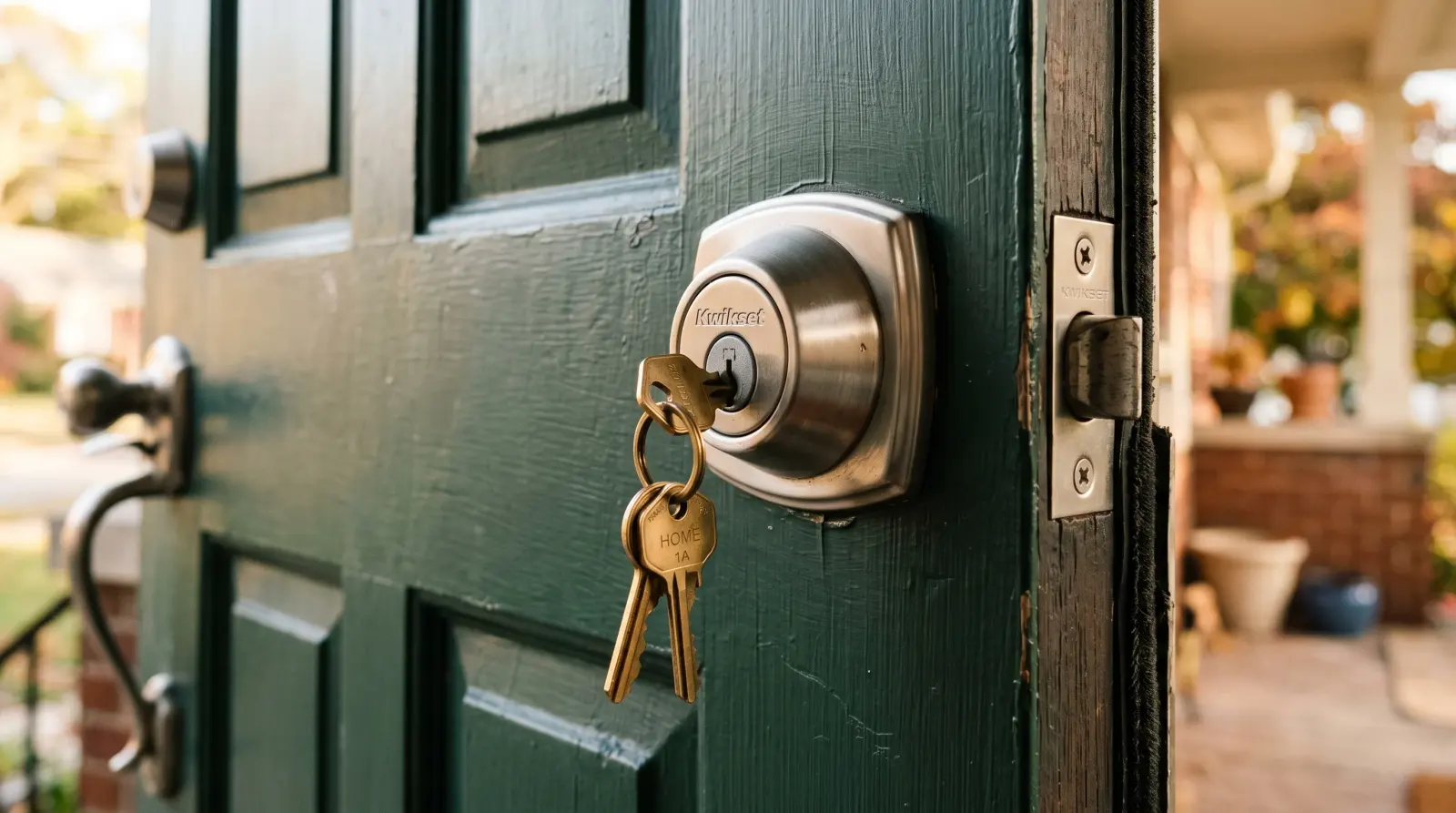
- 03
Anyone with a spare
Partner, housemate, neighbour, letting agent, landlord, parent. A twenty-minute drive beats a $150 call-out plus an after-hours premium.
- 04
Smart lock backups
Keypad codes and app-based unlocking survive a lost key entirely. People forget they have this because they always use the key.
What actually works on a modern lock
Does the credit card trick still work?
On a spring latch with no deadbolt thrown, sometimes. On any deadbolt, never. Most exterior doors in the US have a deadbolt, which is precisely why the credit-card method that still fills these search results almost never applies to the door you are standing at.
This is the single largest gap in the advice published for people locked out of house doors. Security brands and franchise pages still publish bobby-pin and card methods, and both are largely folklore against modern hardware.
- Credit card: spring latch only, no deadbolt, and it damages the card. Useless on the majority of front doors.
- Bobby pin picking: effectively obsolete on modern pin-tumbler locks. Picking is a skill with proper tools, not a hairpin trick.
- Removing the knob: works on some interior privacy locks, not on exterior deadbolts.
- Smart lock backups: the genuinely useful modern answer. Keypad codes and app unlocking are there and routinely forgotten.
Non-destructive entry, and why drilling is a last resort
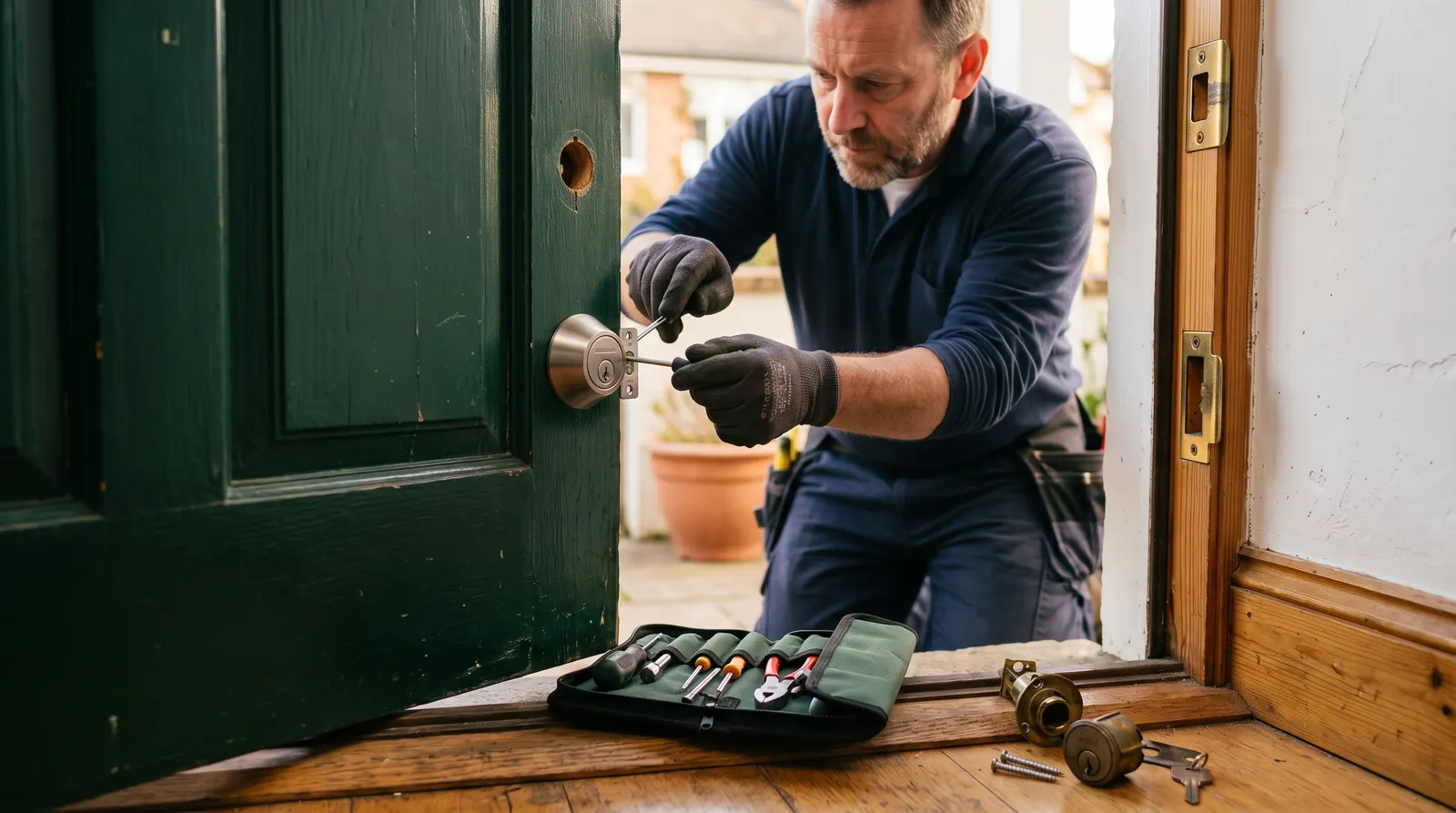
A competent locksmith opens a standard residential lock without destroying it. Picking, bypass tools and shimming all leave the cylinder working and your key usable afterwards.
Drilling destroys the cylinder. It is fast, it requires little skill, and it guarantees a new-lock sale on top of the call-out. That combination is exactly why the FTC associates immediate insistence on drilling with the locksmith bait-and-switch pattern.
Ask the question directly when you call: will this be a non-destructive entry? A legitimate locksmith will say yes on a standard lock and explain the rare exceptions, such as a high-security cylinder or a lock that has already failed internally.
In this guide
Everything in the lockout and locksmith guide
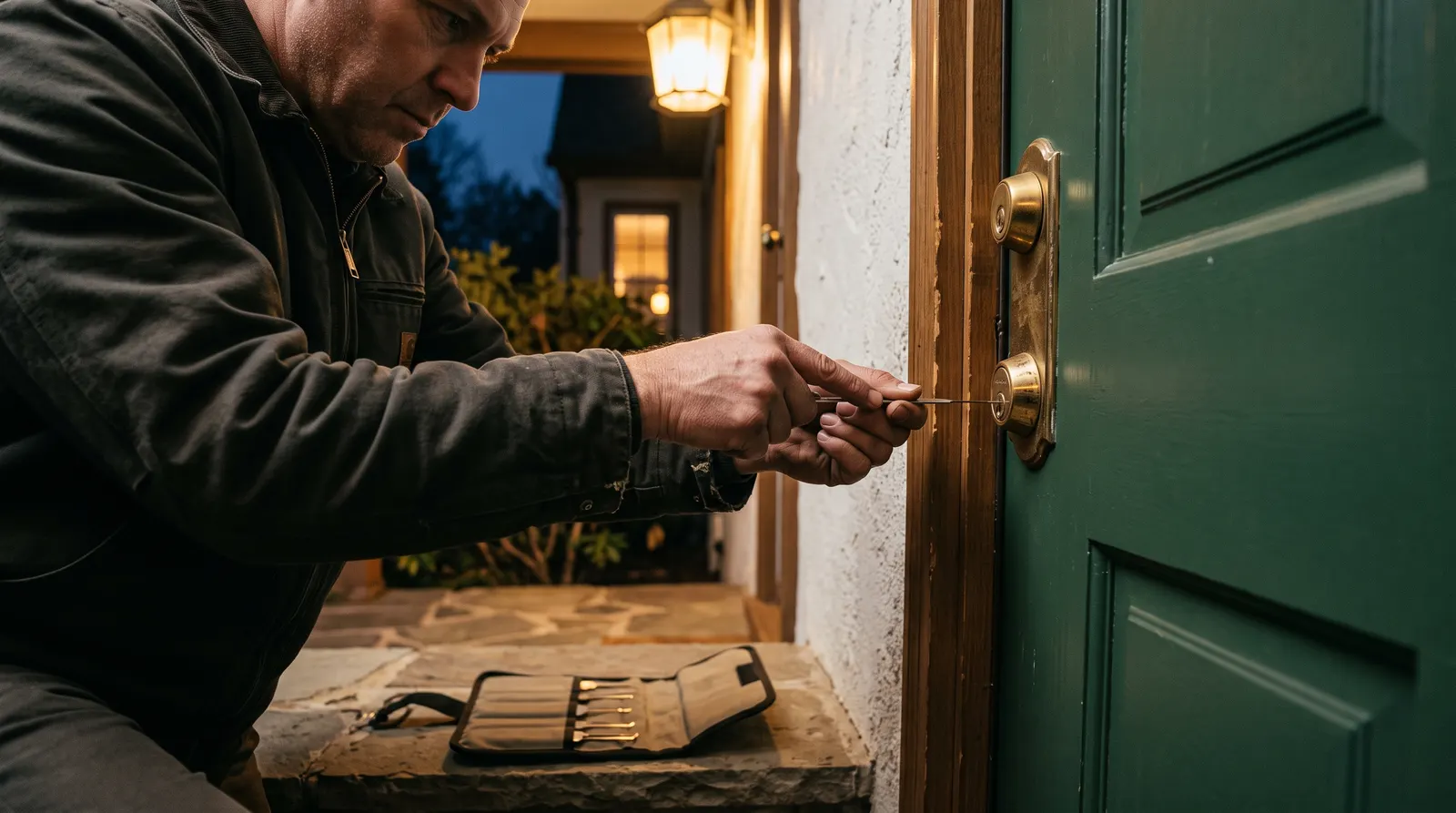
Locked out of your house
The free options first, then what actually works on a modern deadbolt.
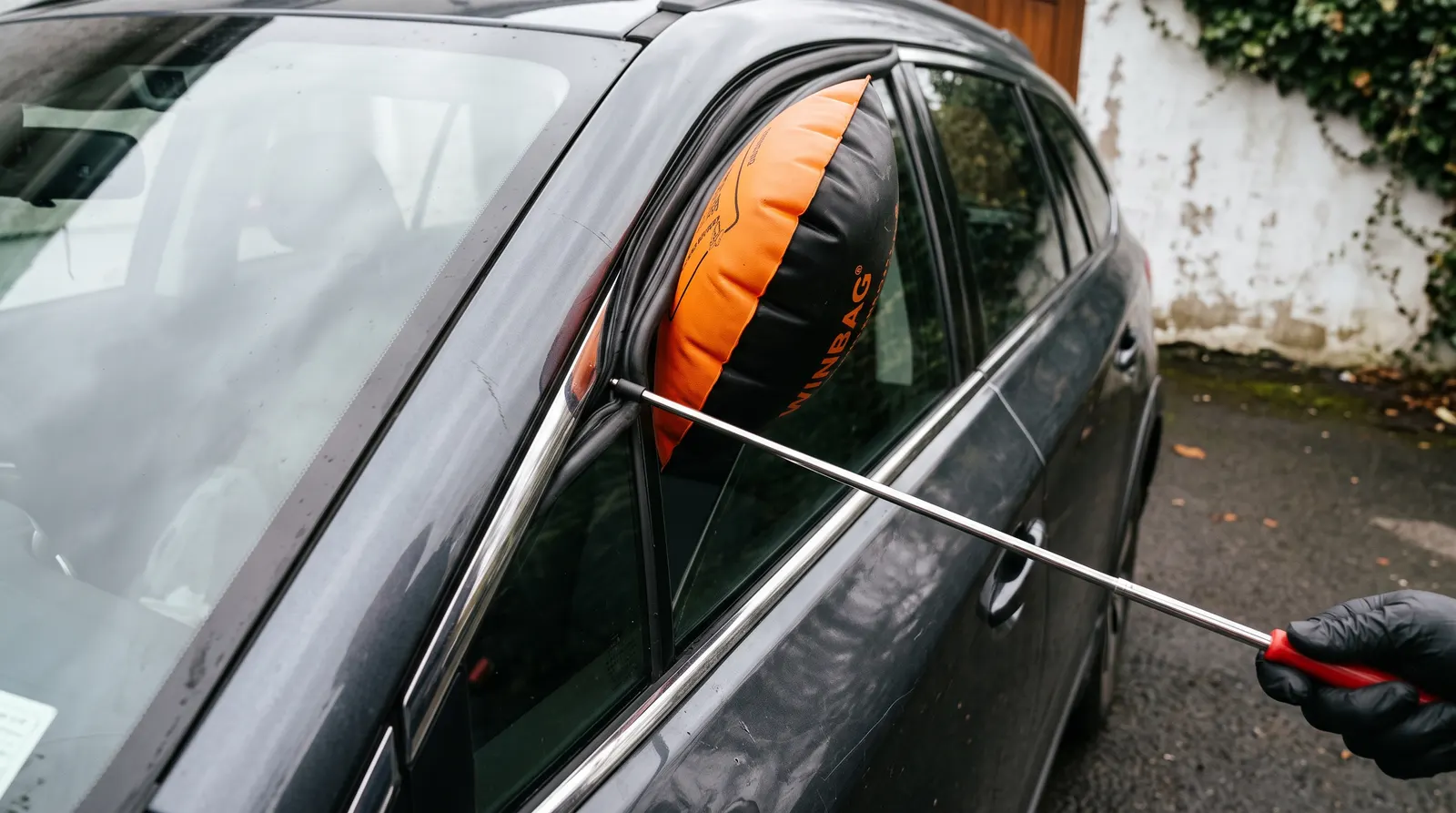
Keys locked in the car
Why the coat-hanger era is over, and who to call that is not a locksmith.
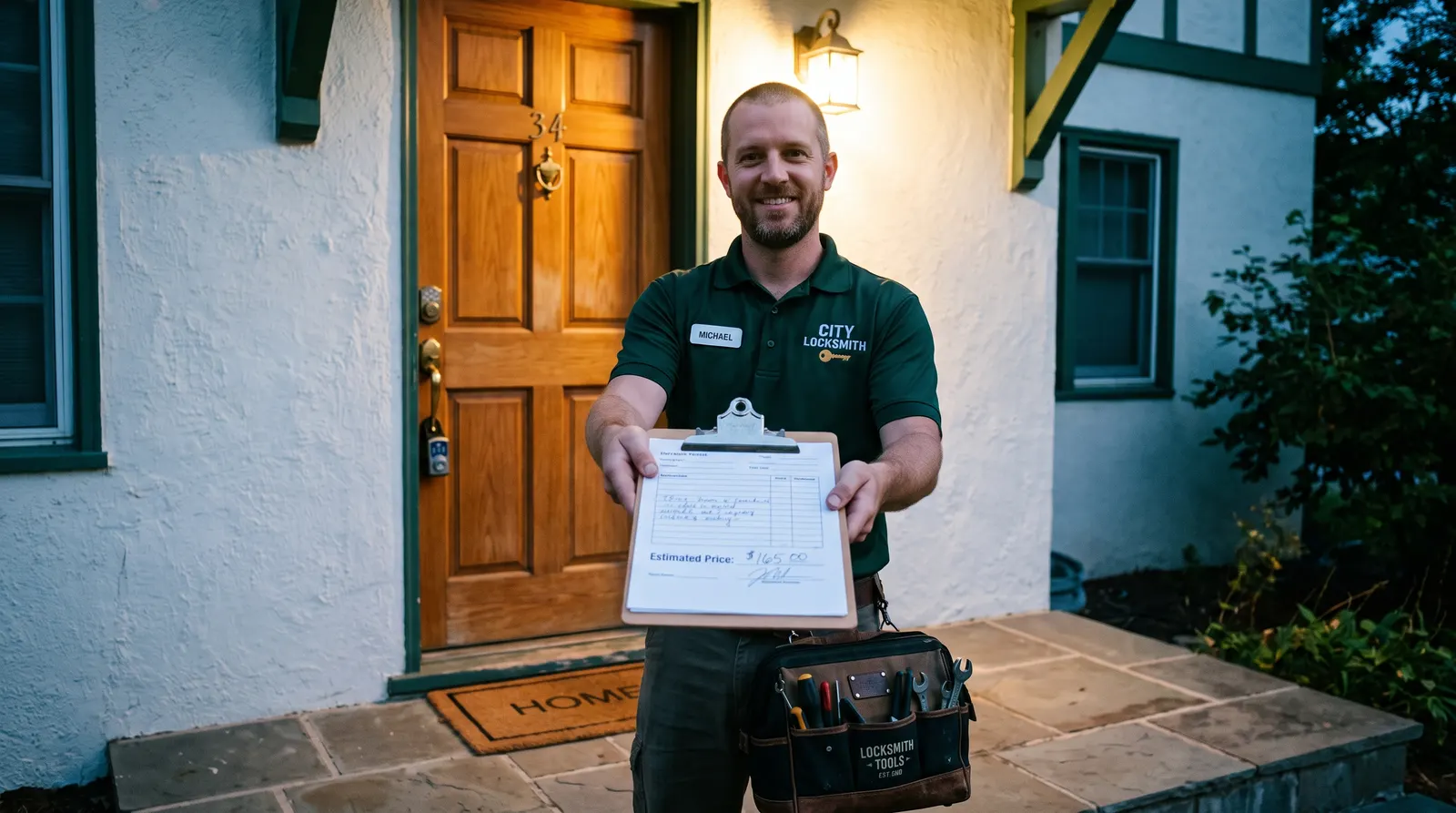
How much a locksmith costs
National prices job by job, the trip fee nobody mentions, and the after-hours premium.
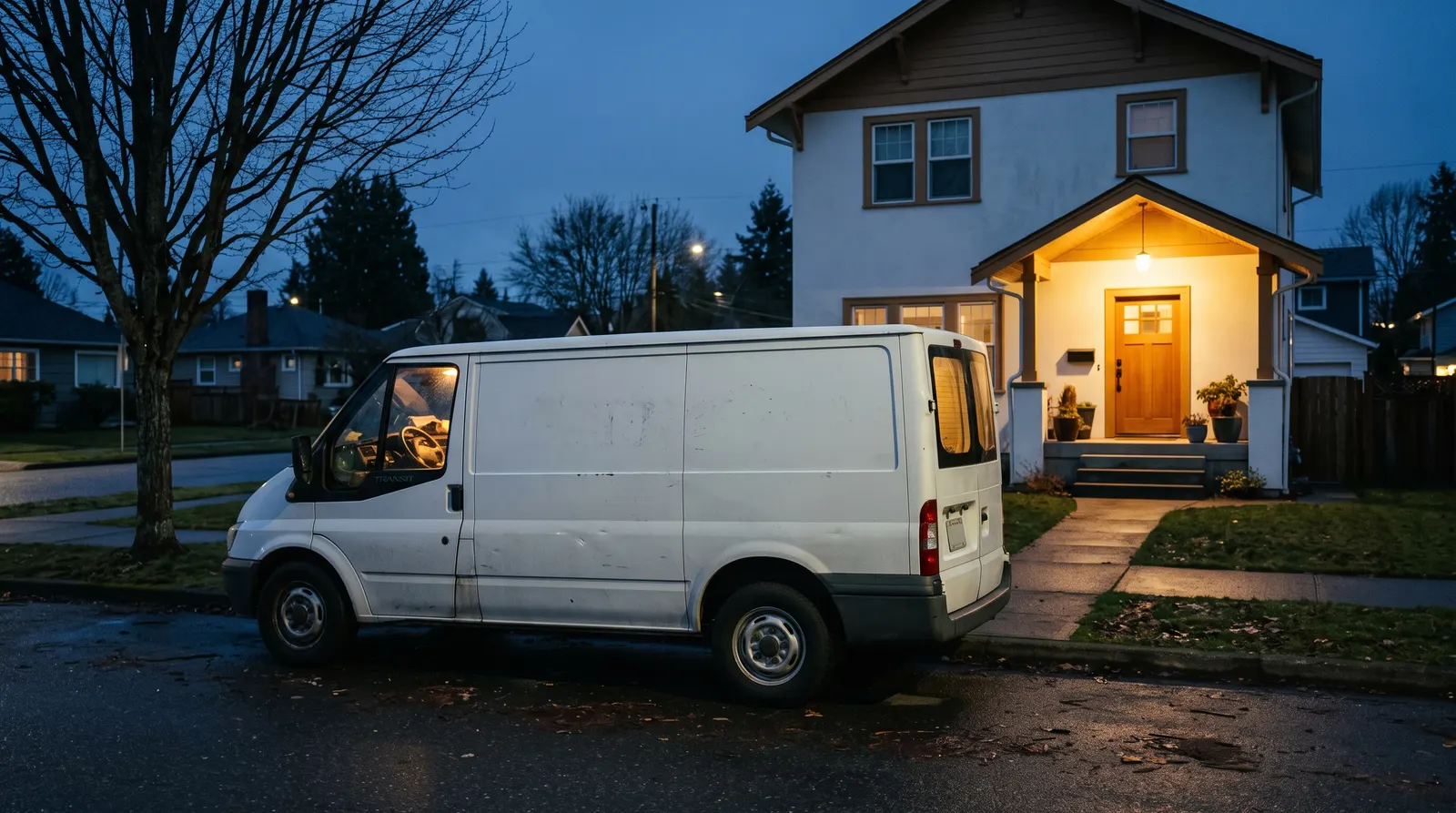
Locksmith scams and red flags
The FTC-documented bait-and-switch, and the six signals that give it away.
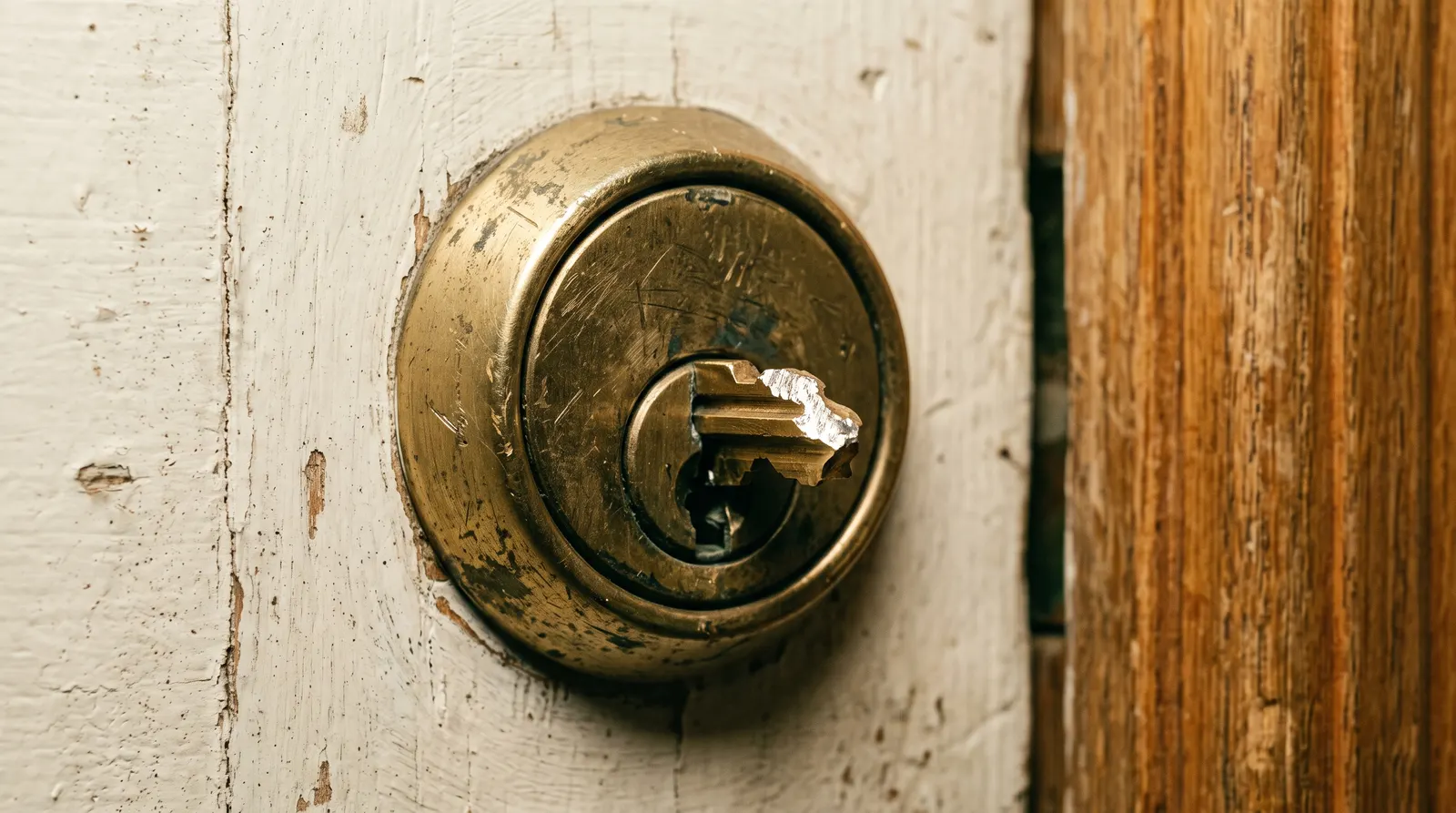
Broken key in a lock
What to try, what makes it worse, and when the cylinder is already finished.
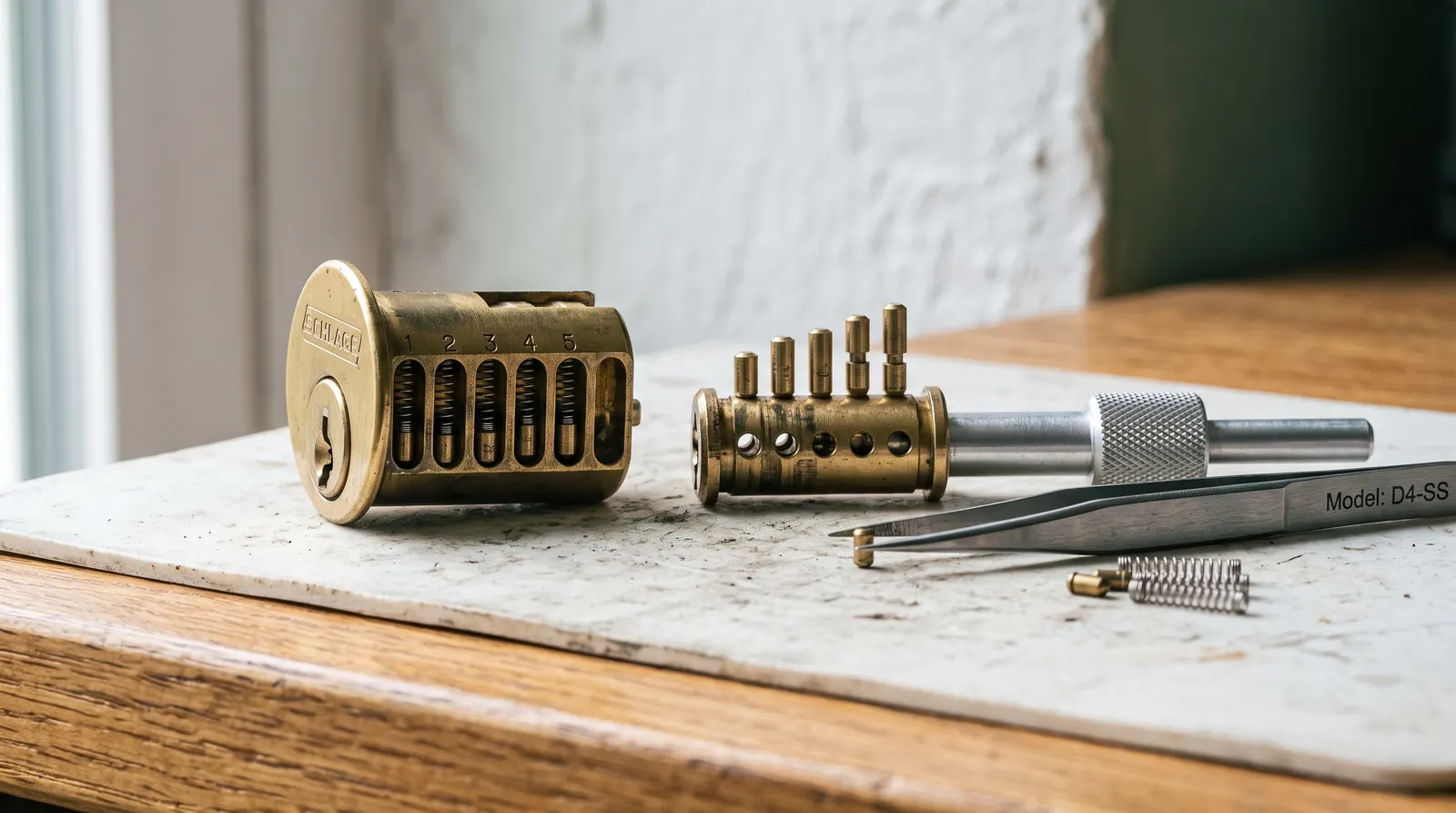
Rekeying your locks
What rekeying actually does, which locks cannot be rekeyed, and what it costs.
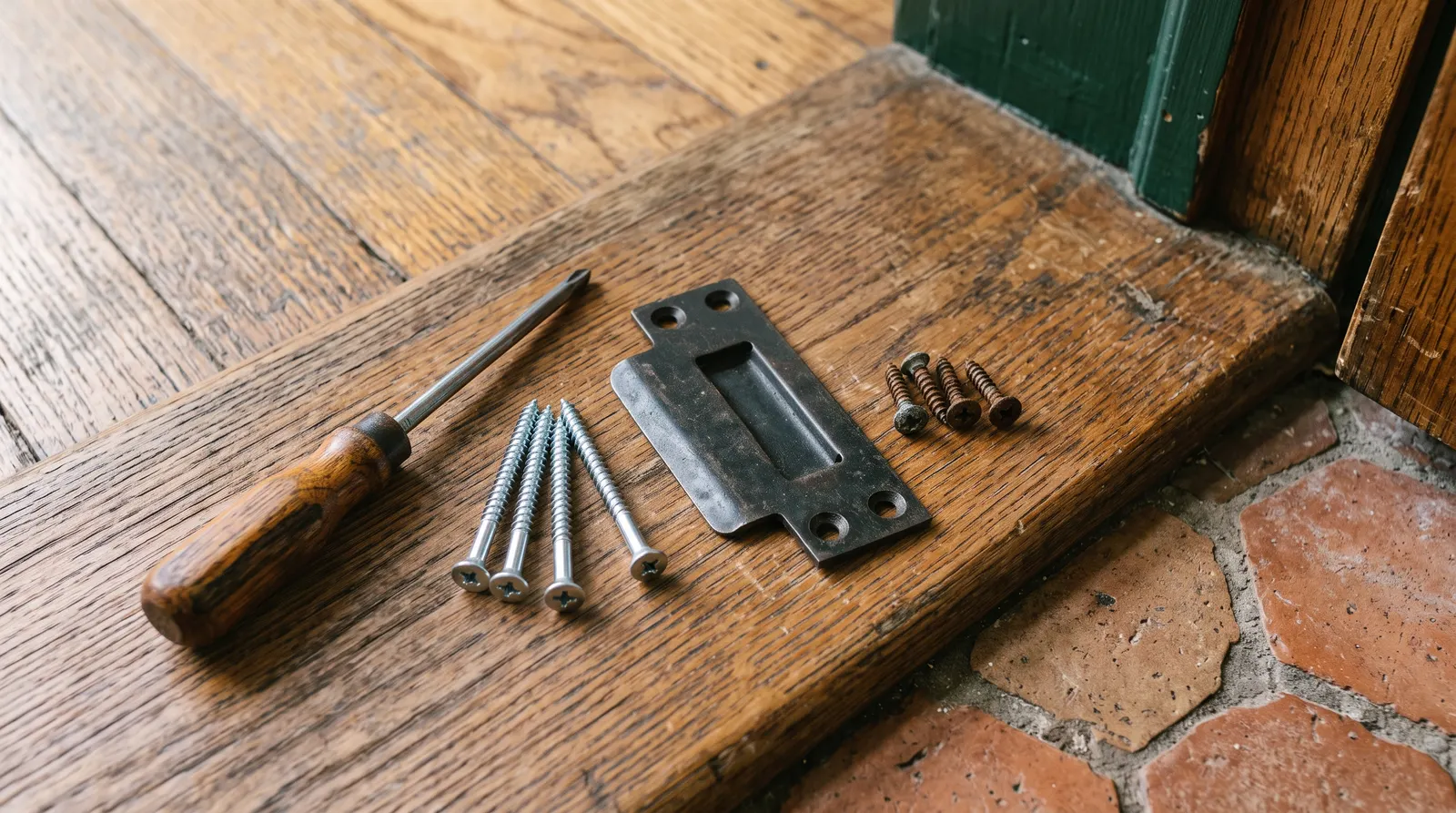
Changing locks after a break-in
Rekey or replace, the order to do things in, and the landlord and tenant rules.
What a locksmith actually charges
Indicative US ranges. Always get a written quote.
| Job | Typical range | Notes |
|---|---|---|
| House lockout | $50–$150 | The entry itself, before fees |
| Car lockout | $60–$85 | Often cheaper than a house door |
| Rekeying | $50–$130 | Plus $10–$25 per cylinder |
| Broken-key extraction | $50–$200 | Depends whether the cylinder survives |
| Service / trip fee | $50–$100 | Separate from the job in many markets |
| After-hours premium | +$100–$250 | Nights, weekends and holidays |
| National average locksmith job | $187–$226 | Low end around $160–$169 |
Source: Thumbtack 2026 national locksmith price data; published 2026 locksmith cost guides; homeowner and locksmith reported figures from public forum threads, marked as reported (retrieved August 2026). Figures vary by region, severity and after-hours timing.
Figures last checked
Two lines on that table cause most of the arguments. The trip fee is separate from the job in many markets, so a $60 lockout can arrive as $130 before anyone has touched the door. And the after-hours premium is added, not blended, which is why a 2am total looks so different from the daytime quote.
Ask for the all-in figure rather than the components. Our breakdown of what a locksmith charges by job goes through each line, including rekeying and broken-key extraction.
The scam the FTC has documented
An unusually low phone quote is the opening move, not a bargain
The FTC has documented a bait-and-switch pattern in this trade: an advertised call-out of $15 to $29, an out-of-state call centre using a fake local address and a generic name, an unmarked vehicle, and a technician who arrives, declares the lock high security, drills it, and demands cash for a total of $150 to $500 or more. The FTC treats bait-and-switch as an unfair or deceptive practice that violates the FTC Act.
The six signals below are the ones worth memorising, because the decision point is on the phone rather than at the door.
- A phone quote far below every other quote you get.
- No verifiable local street address, and generic near-me branding hiding a national call centre.
- An unmarked vehicle, no company uniform and no ID on arrival.
- Cash only, or payment by gift card, wire or app.
- An immediate proposal to drill a standard residential lock.
- No written estimate before work starts, and no licence shown where the state requires one.
The full pattern, including what to do if it has already happened to you, is on our page on the locksmith scam in detail.
Locked out of house: can the police help?
Will the police let me into my house?
Not for a routine lockout. They will attend when there is genuine risk: a child or a pet inside, a stove left on, or a vulnerable person who needs help. Even then they are not equipped for non-destructive entry, so the outcome may be a forced door.
This question appears in the People Also Ask block and in the related searches for this term, and no page on the first page of results answers it properly.
If your situation genuinely involves a person or animal at risk, call 911 and describe that risk first rather than describing a lockout. The response is entirely different.
24/7 dispatch network
Get a licensed locksmith moving on this
Tell us the lock type if you can see it, and your ZIP code. Licensed, insured locksmiths covering your area will contact you directly. Submitting costs nothing and there is no obligation to hire.
Fire, a gas smell, or an injury? Leave the building and call 911 first, then your gas utility or power company. Use this form once you are safe.
Know the line
Safe to try yourself, or call a pro now?
Safe to check yourself
- Checking every other door, window and the garage
- Using a smart lock keypad code or app
- Contacting anyone who holds a spare key
- A credit card on an unlocked-deadbolt spring latch, on your own door
- Asking for the all-in price and the business address before dispatch
Call a pro now
- Any deadbolt, which defeats every improvised method
- Anything involving drilling, which usually means a new lock
- A key snapped inside the cylinder
- Multi-point patio and uPVC doors
- A break-in aftermath, where the priority is security rather than entry
What a locksmith will ask you on the phone
Being locked out of house or apartment doors goes faster when you have these ready. They shorten the call, sharpen the quote and get the right van sent.
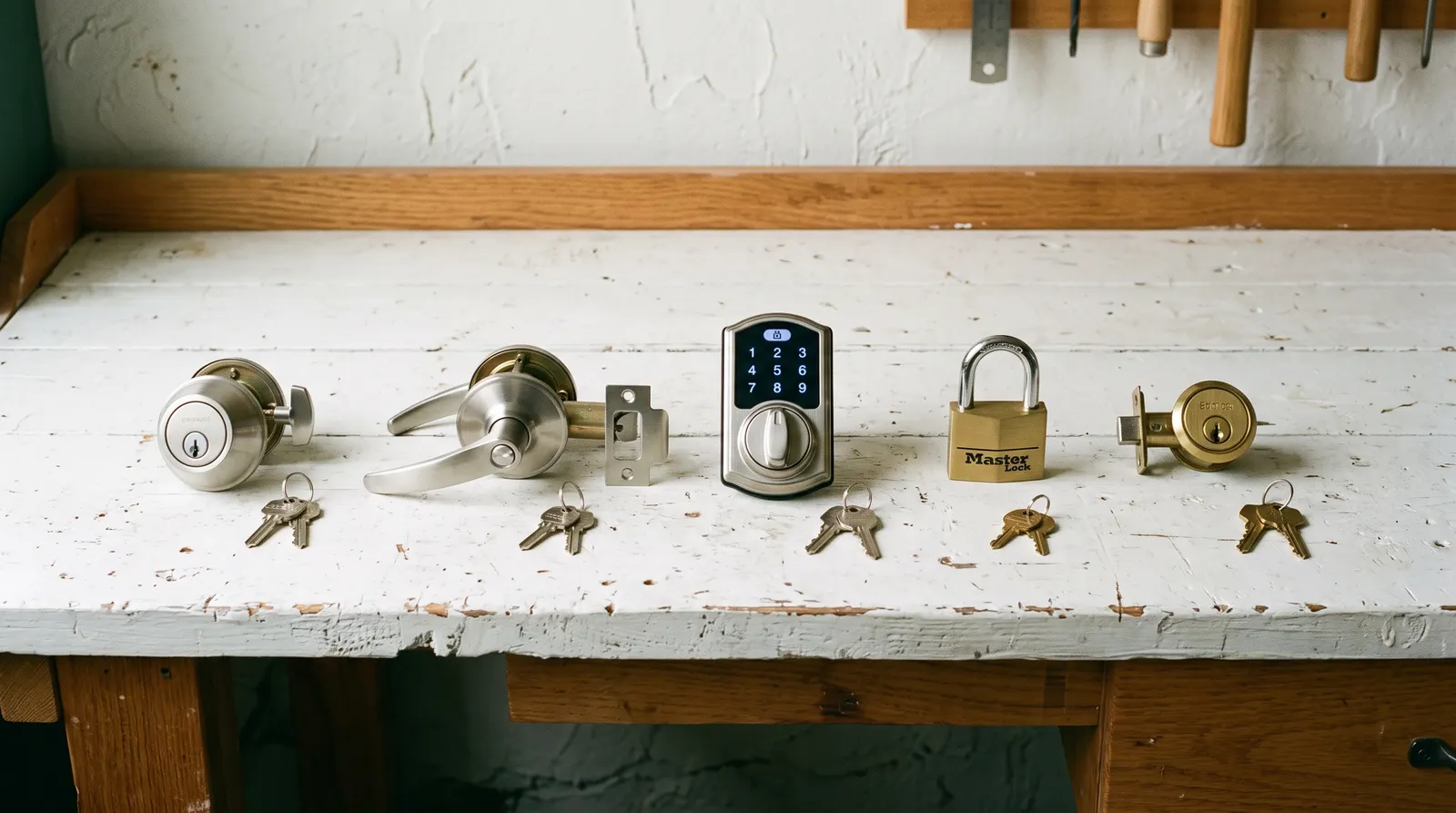
- Lock type and brand if you can read it on the face of the cylinder or the latch edge.
- Whether the deadbolt is thrown, because a latch-only door is a materially easier job.
- Property type and access: house, apartment, whether there is a communal entrance, and which door needs opening.
- Whether anyone or any pet is inside, which changes both the urgency and who you should be calling.
Making the next lockout cheaper
The FTC's most practical piece of advice on this topic is to research and save a trusted locksmith's number before an emergency, and it is worth acting on precisely because nobody does.
- A proper key safe, rated for outdoor use and mounted where it cannot be levered. Not a fake rock.
- A local locksmith saved in your phone, chosen on a calm afternoon rather than at midnight.
- A keypad deadbolt with a backup code, which removes the entire category of problem.
- A spare with someone genuinely reachable, which is a different test from someone who has one.
What homeowners actually ask
What homeowners and locksmiths report
Drawn from real public forum threads and reported prices, summarised and attributed as patterns. These are not reviews of this site, and no names or ratings have been invented.
“It may range between $160 and $220, because it depends on difficulty”
“A drill with a 3/16 inch bit and a flathead screwdriver will get it open quickly. But you will be replacing the whole thing afterwards.”
“Beware of locksmith scams: a common trap to avoid”
“What is the average price for locksmith services?”
1 / 4
How the matching works, and what we do not do
Emergency Services 24H is a referral service. We do not employ locksmiths and we do not open doors.
Your request routes by ZIP code to licensed, insured contractors covering your area, and they contact you directly. The vetting questions on this page still apply to anyone who contacts you, from any source, and we would rather you asked them.
Straight answers
Frequently asked questions
The questions homeowners actually search for on this problem, answered in plain language.
Browse all guidesHow do I get back into my house if I locked myself out?
Check every other exterior door, ground-floor windows and the garage service door first, then anyone who holds a spare. If none of that works, call a licensed local locksmith and ask for non-destructive entry. A standard residential lockout typically runs $50 to $150 before any after-hours premium.
How much does a locksmith cost when you are locked out?
The lockout itself is usually $50 to $150, with a separate trip fee of $50 to $100 in many markets, and after-hours work adding $100 to $250. Thumbtack 2026 data puts the national average locksmith job at $187 to $226. Locksmiths on trade forums quote $160 to $220 for a standard residential door.
Can police help you get into your house if you are locked out?
Generally not for a routine lockout, because it is not an emergency and they are not equipped for non-destructive entry. They will attend where there is a genuine risk: a child or a pet locked inside, a stove left on, or a vulnerable person who needs assistance. Say so clearly if that is your situation.
Will the locksmith have to drill my lock?
Usually not. A competent locksmith opens a standard residential lock non-destructively by picking or bypass, leaving the lock working and the key usable. Immediate insistence on drilling a standard lock is one of the red flags the FTC associates with the locksmith bait-and-switch pattern.
How do I know a locksmith is legitimate?
Ask for the legal business name and a verifiable local street address, get the total price including trip fee and any after-hours premium before dispatch, confirm they accept card rather than cash only, and expect a marked vehicle and ID on arrival. The FTC warns that some locksmiths advertising locally are not local at all.
What if I cannot afford a locksmith right now?
Work the free options first and be honest on the phone about your budget, because a quoted total up front is exactly what protects you. Some landlords, property managers and roadside assistance memberships cover lockouts. What is not worth doing is accepting an unusually low phone quote, which is the opening move of the documented scam.
Sources for this page
- Federal Trade Commission: Finding a Locksmith: the bait-and-switch pattern
- Thumbtack
- HomeGuide
- Angi
Checked . If a figure here no longer matches its source, that is a bug, so tell us and we will correct it.
24/7 dispatch network
Get help from a licensed local contractor
Tell us what has failed and where you are. We route your request to licensed, insured contractors covering your ZIP code, and they contact you directly.
Fire, a gas smell, or an injury? Leave the building and call 911 first, then your gas utility or power company. Use this form once you are safe.