Emergency Plumbing
A plumbing emergency? Shut the water off, then know who to call.
From a burst pipe to a leaking water heater: how to tell a real emergency from a morning job, the safe first steps, and what an emergency plumber actually charges after hours.
24/7 dispatch network
Request a licensed contractor now
Fire, a gas smell, or an injury? Leave the building and call 911 first, then your gas utility or power company. Use this form once you are safe.
The stakes, in real numbers
Why the first ten minutes matter
Every figure is sourced
- 0
- home electrical fires a year in the US
- 0h
- window before mold can start after water damage
- 0+
- US deaths a year from consumer-product carbon monoxide
- $0
- damage from just one inch of flood water
Source: ESFI
Source: EPA
Source: CPSC
Source: NFIP
A plumbing emergency is any water, drain or gas-appliance failure that keeps doing damage while you decide what to do. In the United States it costs roughly $100 to $200 an hour to fix in daylight and up to $350 an hour after 6pm.
Those two facts settle most of the panic. Shutting off the water supply is free and takes about ninety seconds. Everything after that is a pricing decision you can make calmly.
This page does the two jobs the ranking plumbing service pages skip. It tells you how to stop the water and which failures are not a plumber's call at all, then publishes the rates so you can judge the quote you are about to be given.
What counts as a plumbing emergency
What is considered a plumbing emergency?
Water you cannot stop, sewage entering the home, or a leak reaching wiring or the panel. Those three need someone within hours. A drip, a slow drain or one blocked toilet in a two-bathroom house waits until morning and costs you far less.
The test is not how dramatic it looks. It is whether the failure is still causing loss while you sleep. A cracked supply line spraying into a wall cavity looks like almost nothing and is an emergency, while a spectacular but stopped overflow on a tiled floor is not.
That distinction is why the most common plumbing issue reported to 24 hour plumbing services, a blocked drain, is usually not an emergency at all. Volume of water beats drama every time.
Three categories qualify, and they are worth memorising because they are the ones an after-hours plumber will accept as urgent:
- Uncontrolled water: a burst or split pipe, a failed supply hose, a tank that will not stop filling, or a shut-off valve that will not close.
- Contamination: sewage or grey water backing up through toilets, tubs, showers or floor drains, which is a health hazard rather than a mess.
- Water meeting electricity or gas: a leak above a panel or outlets, a soaked appliance, or a water heater venting badly on a gas supply.
If your situation is none of those three, you are looking at a next-morning job. Our quick triage of what counts as an emergency walks the borderline cases, including the ones plumbers quietly wish people would stop paying premium rates for.
In this guide
Everything in the emergency-plumbing guide
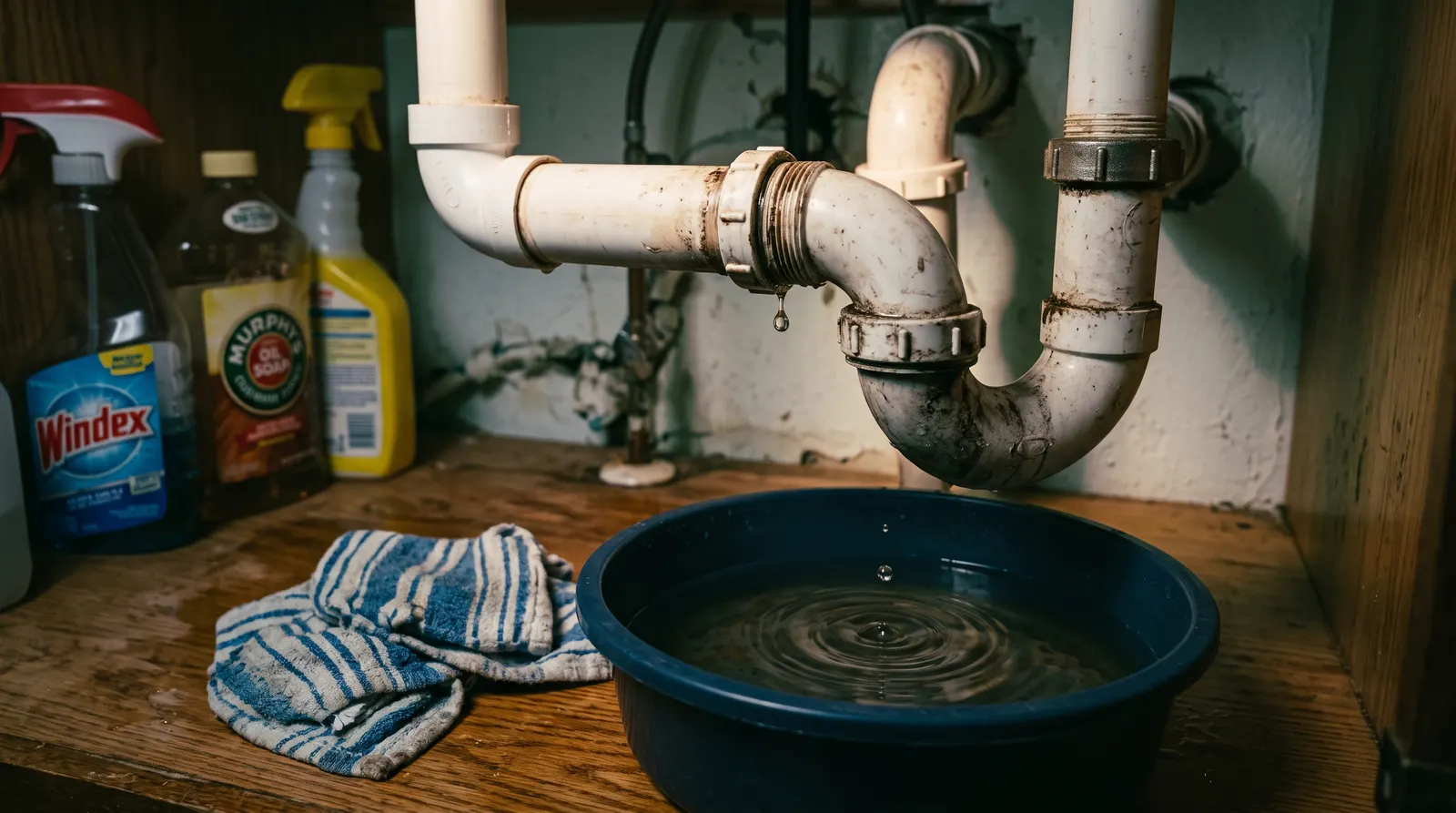
What counts as a plumbing emergency
The line between “call now” and “can wait to morning”, and when it is a 911 call.
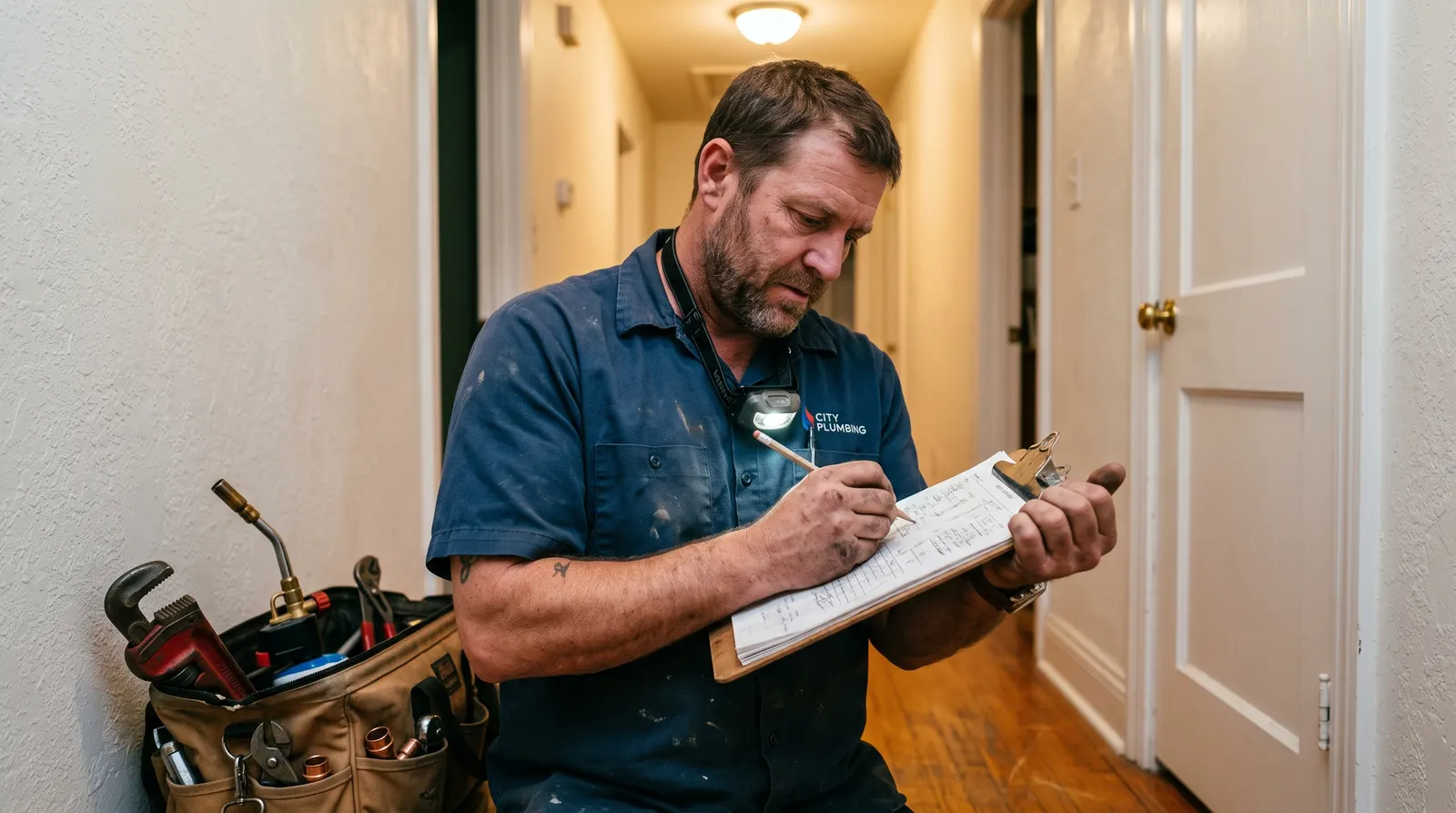
How much an emergency plumber costs
Service-call fees, hourly rates and the real after-hours premium, in plain numbers.
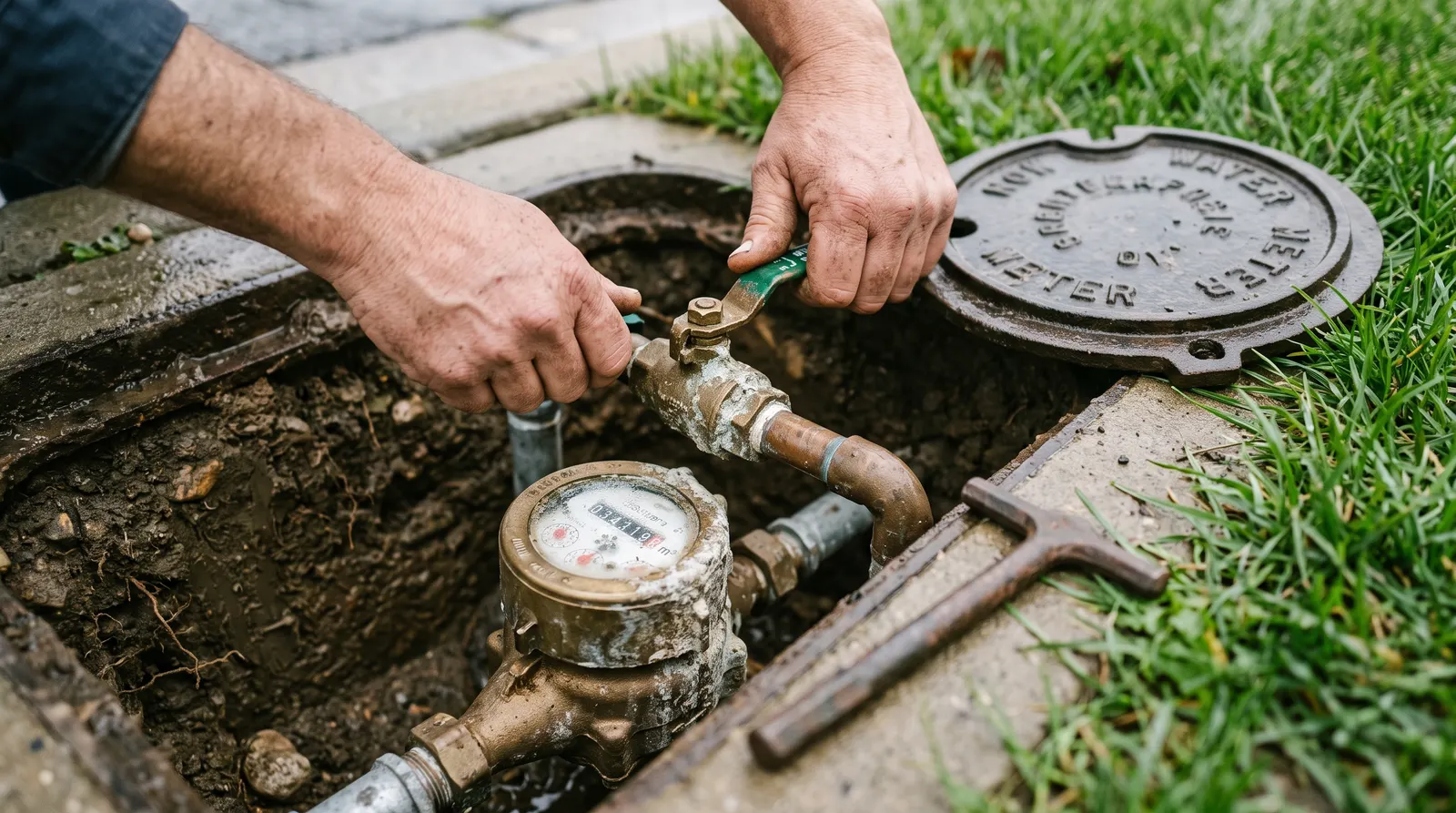
Burst pipe: do these things right now
The safe order of operations for a pipe that has let go: water, power and who to call.
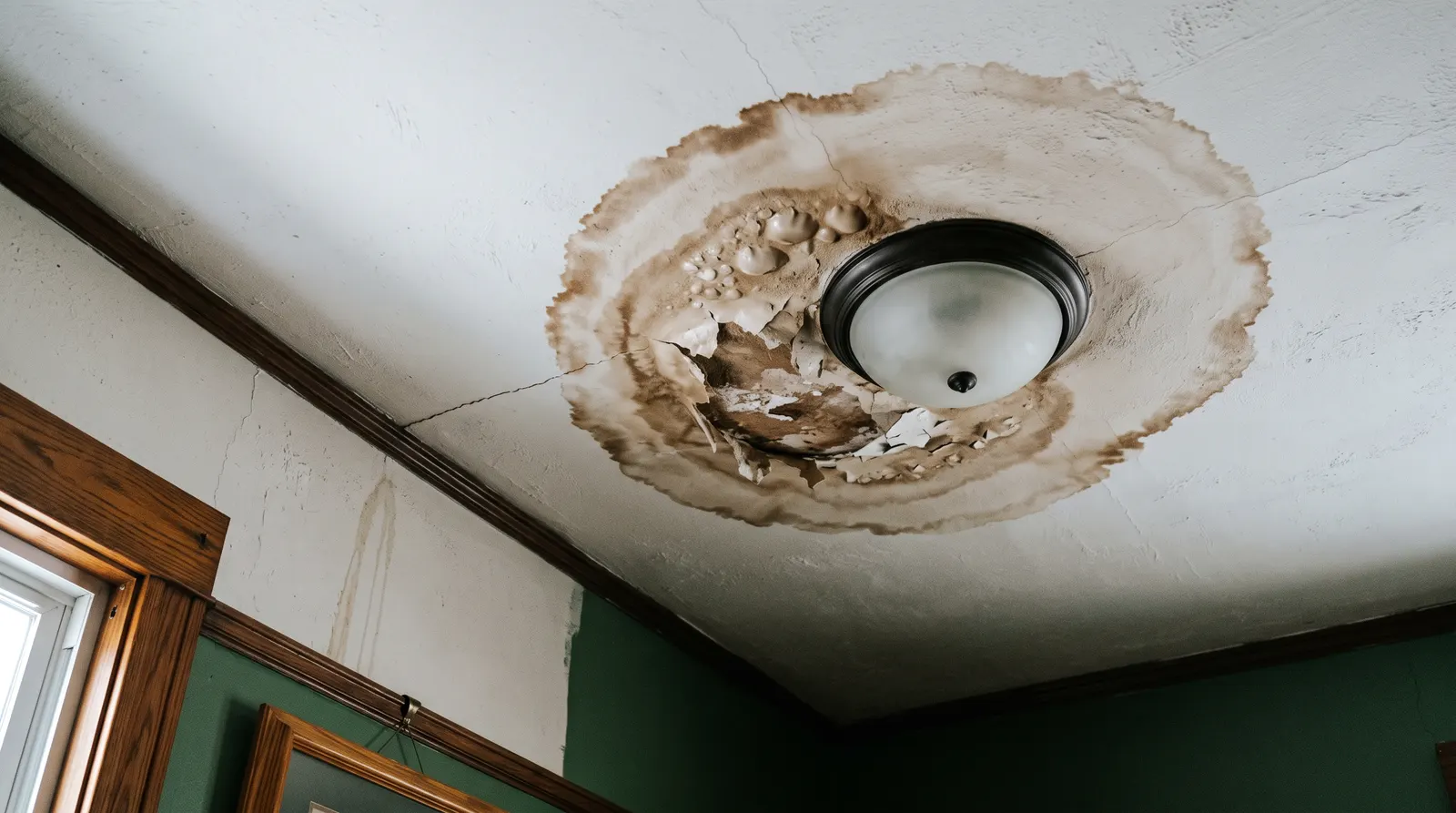
How to tell if a pipe burst in your wall
The hidden-leak warning signs: sounds, stains, pressure and the water-meter test.
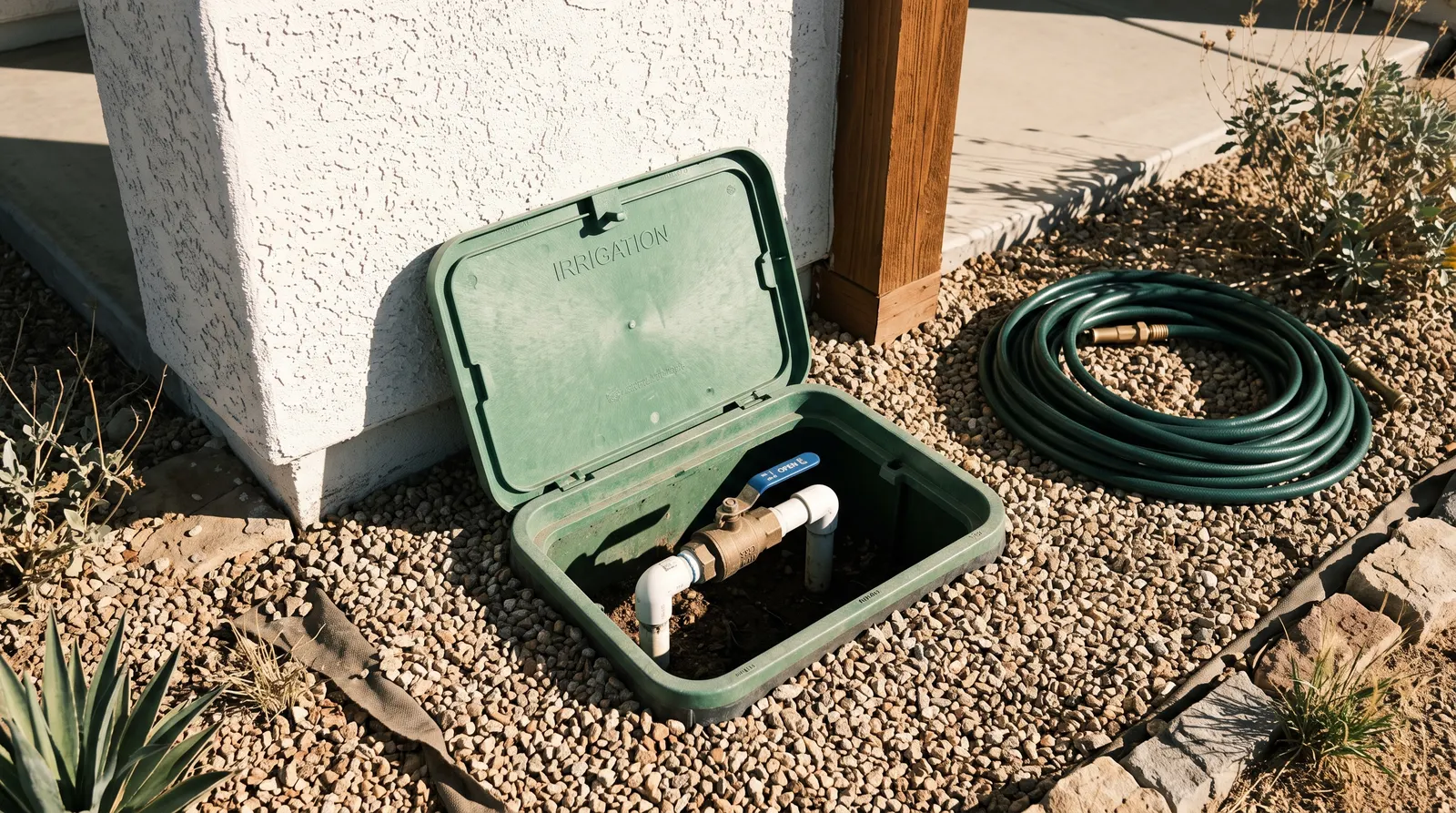
How to find and shut off your main water valve
Where the shut-off usually is, the valve types, and how to close each one.
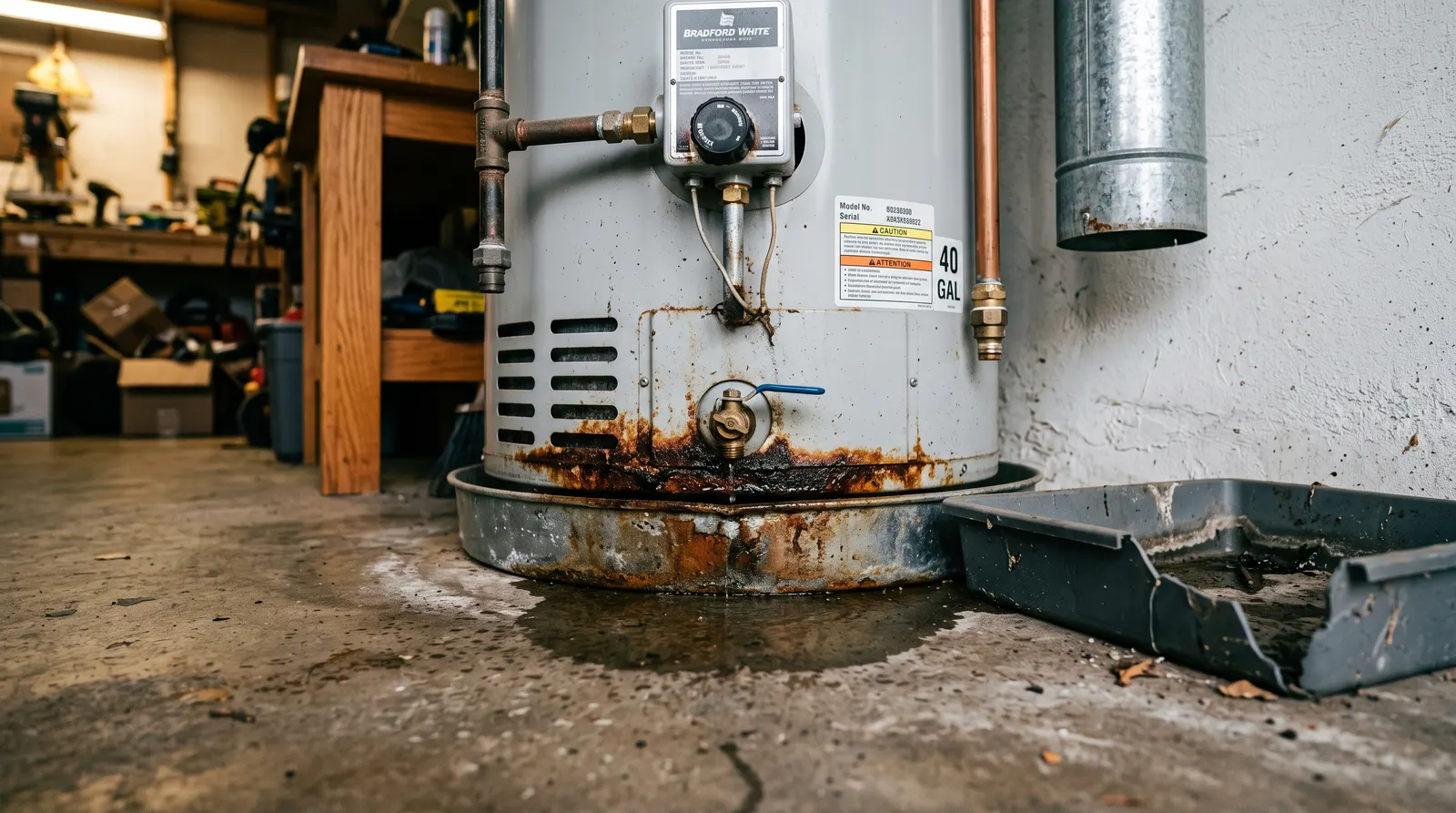
Water heater leaking from the bottom
What the leak means, the scald and gas hazards, and how to make it safe.
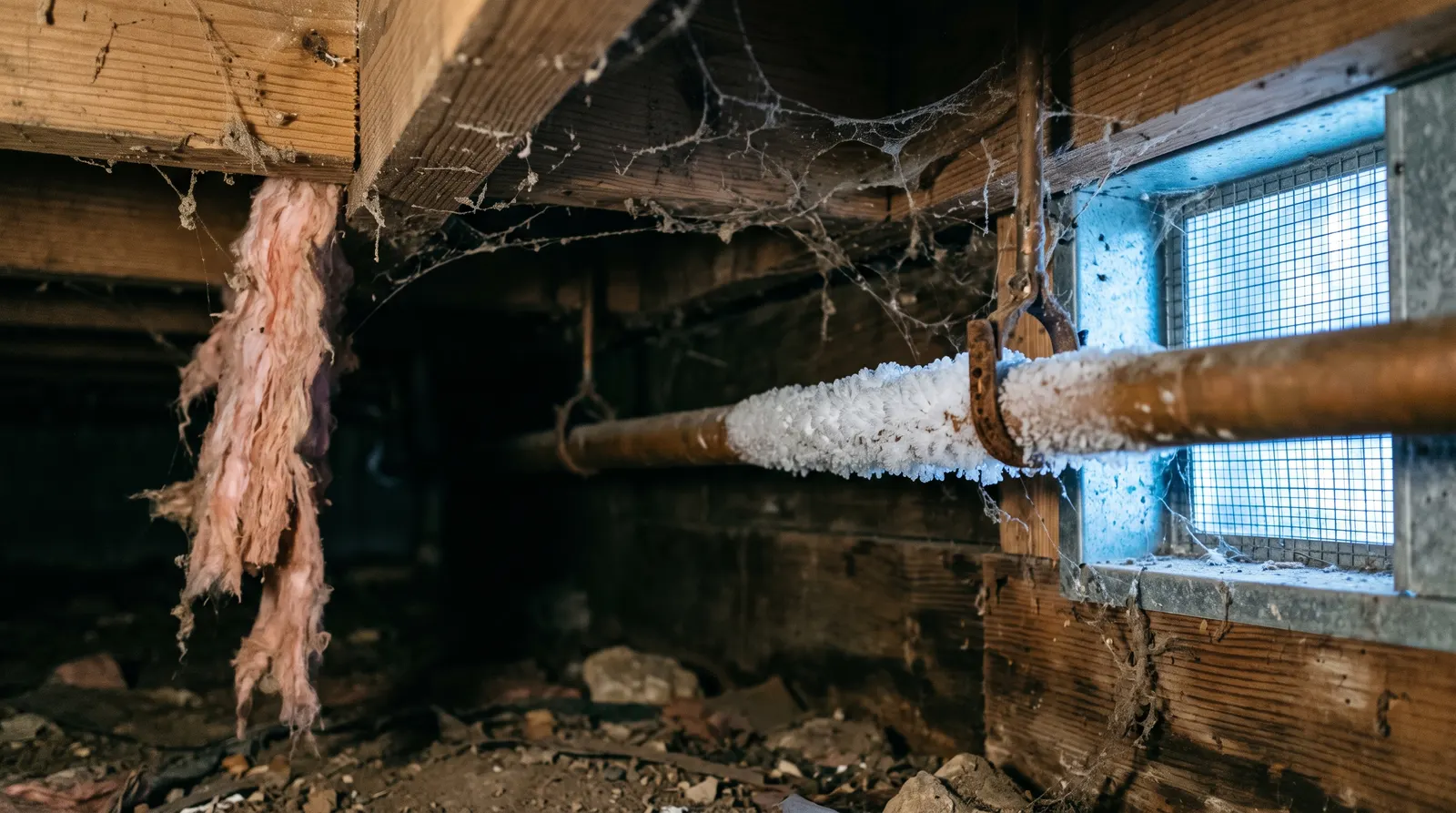
Frozen pipes: prevent, thaw and handle a burst
Red Cross prevention and thawing guidance, plus what to do if one bursts.
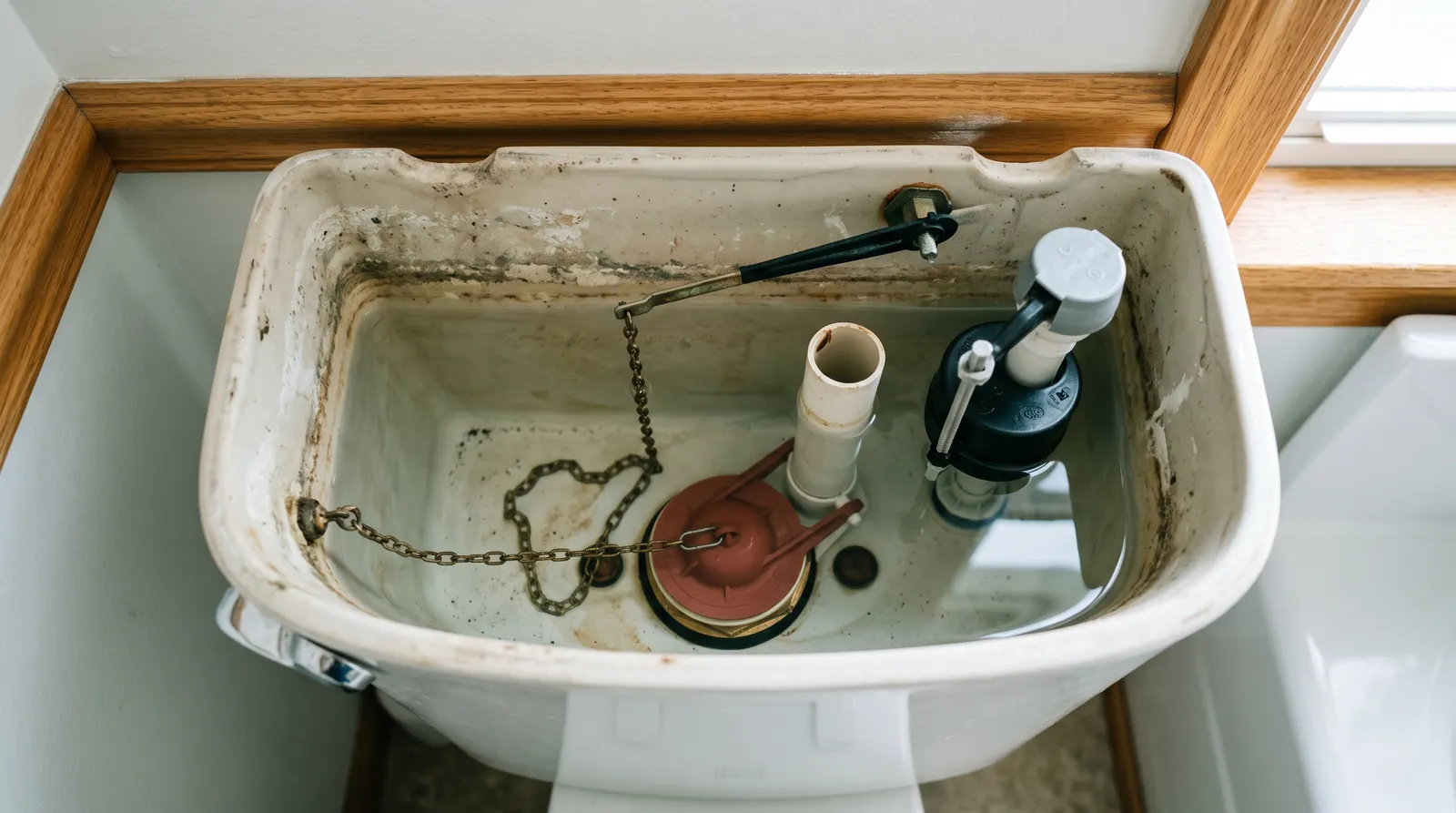
Toilet overflowing: how to stop it fast
Stop the rising bowl in seconds, then find whether it is a clog or a backup.
The first five minutes
The shut-off sequence, in the order that matters
- 01
Close the main valve
Turn the main water shut-off clockwise until it stops. On a lever-handle ball valve, a quarter turn to crosswise is closed.
- 02
Open the lowest tap
A basement or ground-floor faucet, plus an outside spigot, drains the pipes above and drops the pressure feeding the leak.
- 03
Check for water near power
If water is near outlets, appliances or the panel, cut that circuit from a dry position. If you cannot reach it dry, call the power company.
- 04
Photograph, then call
Shoot wide and close before you mop, keep the failed part, and call a licensed plumber with the valve already closed.
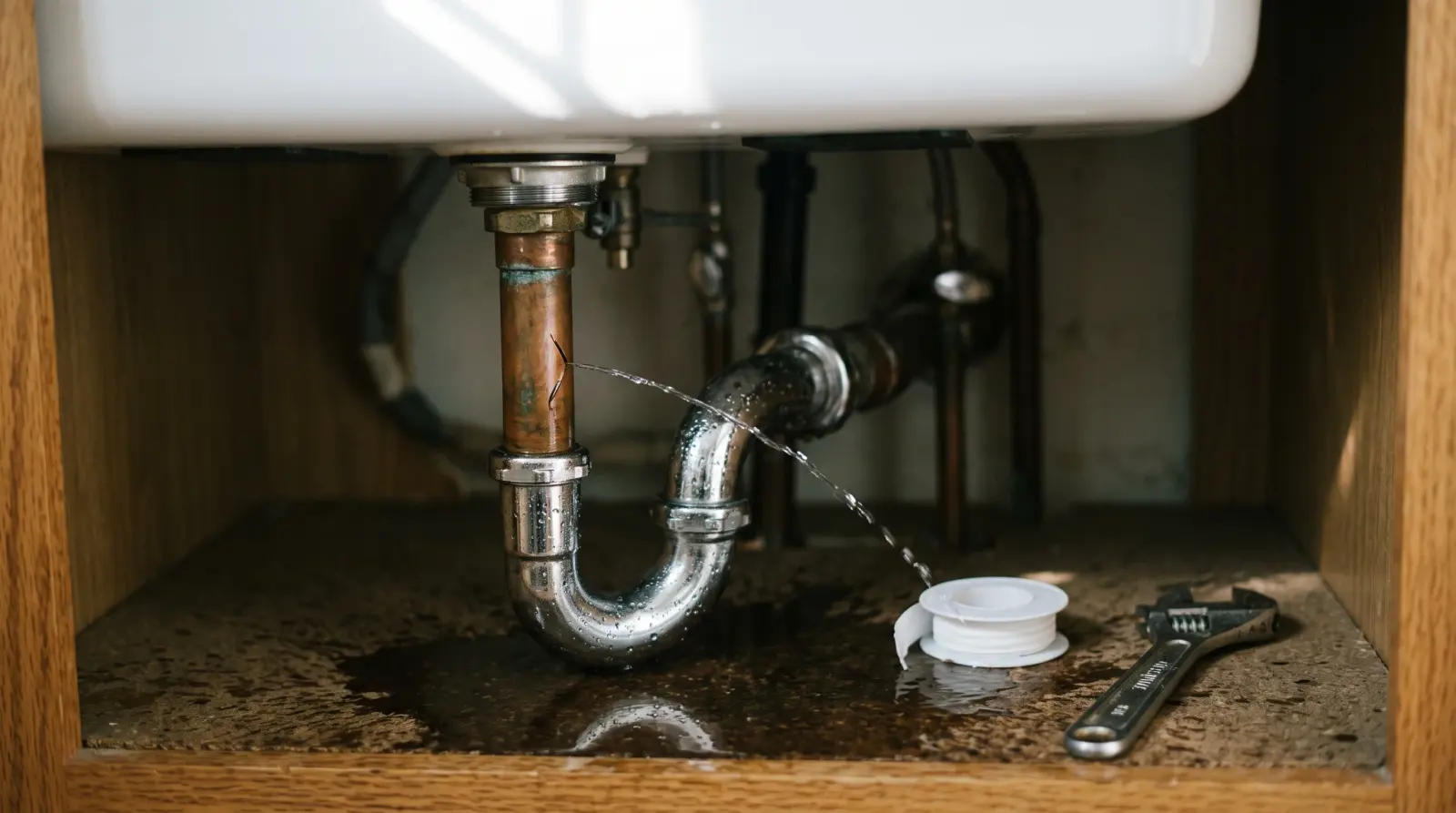
Order matters more than speed here. Closing the valve without draining the lines leaves several gallons of pressurised water above the break, which keeps feeding the leak for another minute or two while you assume you have fixed it. Opening a low tap ends that immediately.
Do not attempt the repair itself
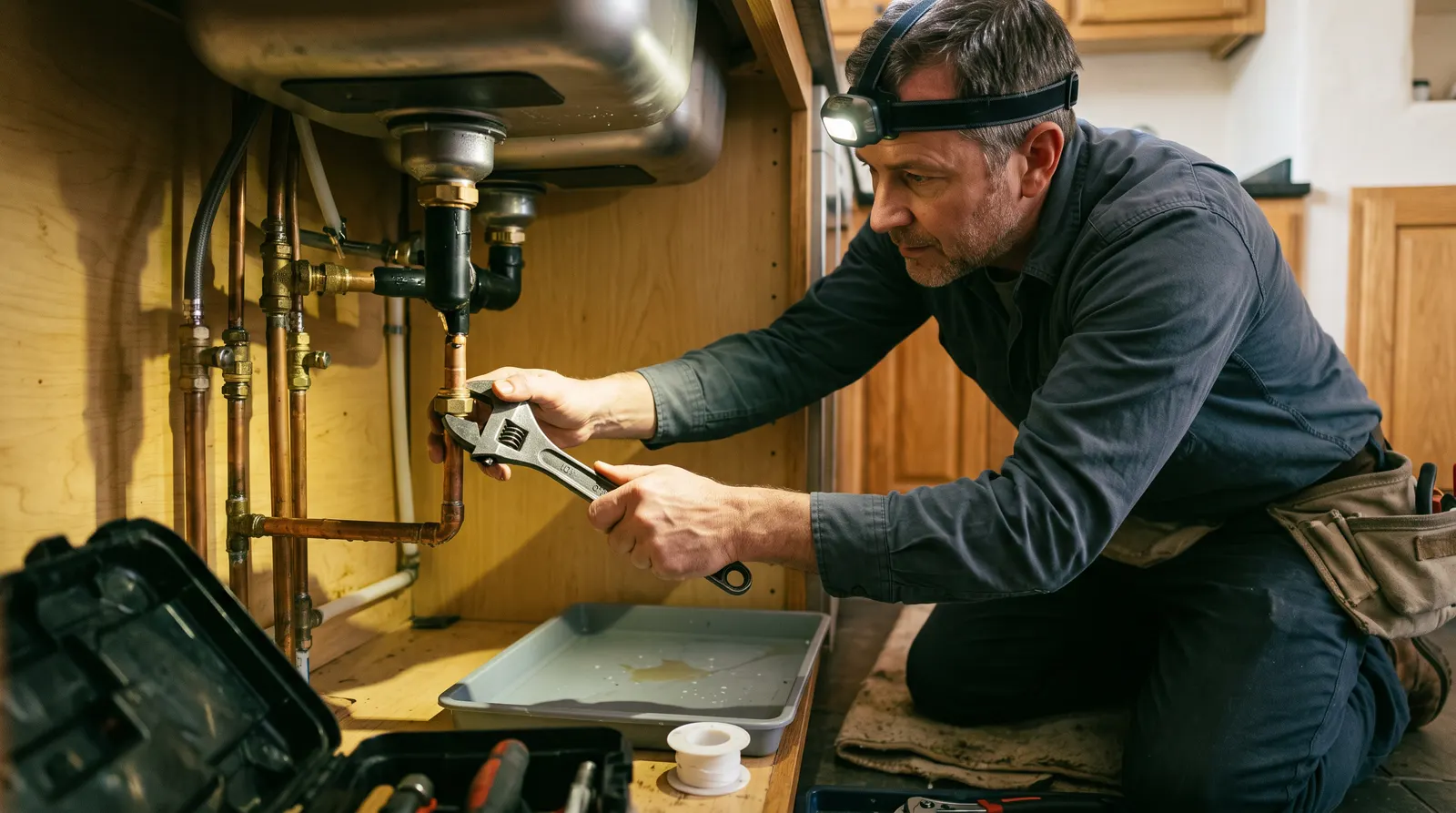
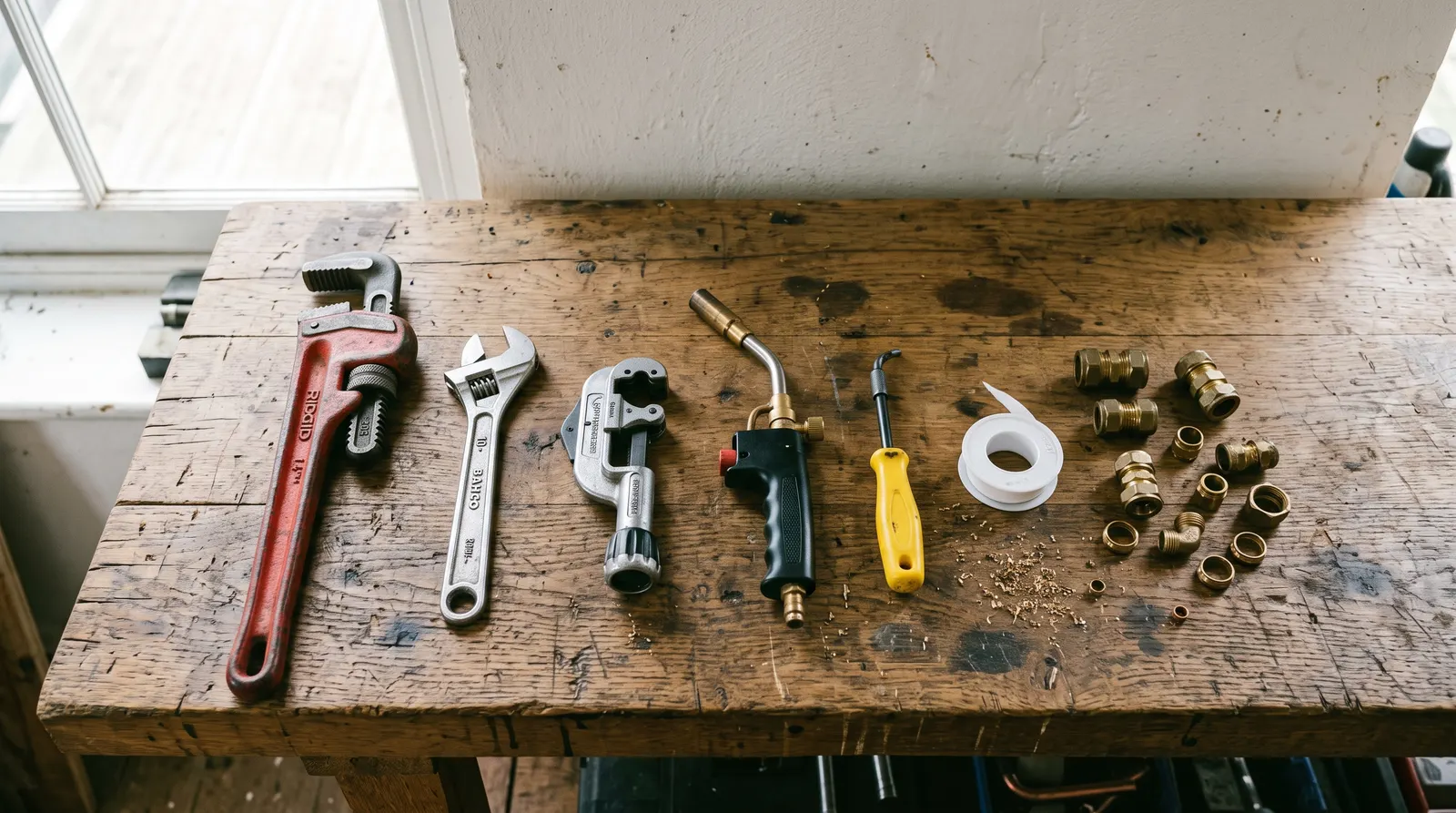
Insurers and plumbers agree on this one. Progressive's licensed-plumber guidance is blunt: do not attempt to repair a burst pipe yourself, because it usually leads to more damage. Patching compound and tape on a live supply line under pressure buys minutes, not hours, and can turn a clean joint repair into a section replacement.
Where the main shut-off valve is, and how each type closes
The valve is almost always where the supply line enters the building. In a basement or crawlspace it sits on the wall facing the street, often within a few feet of the water meter. In slab-built and warm-climate homes it is more likely to be in the garage, a utility closet, or outside beside the hose bib.
There is usually a second stop outside in a covered ground box near the kerb. That one belongs to the water utility, and it is the reason a leak on the street side of the meter is their bill and not yours.
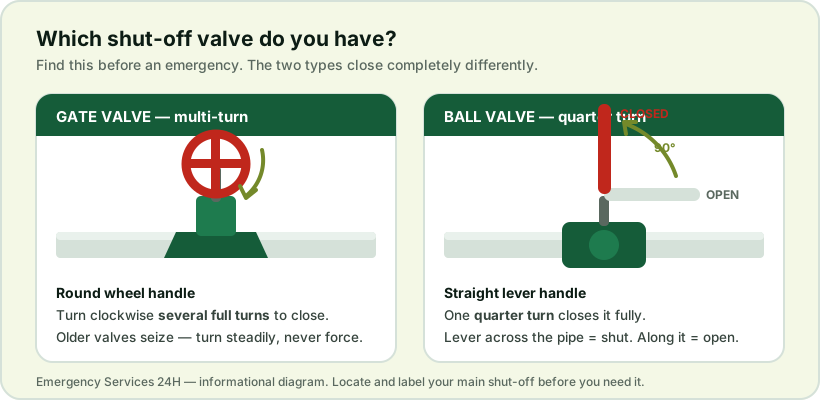
Gate valves are the round wheel handles on older homes. They close slowly over several turns and are the type most likely to seize or to snap if you force them. Ball valves have a lever, close in a quarter turn, and are far more reliable. Stop-and-waste valves add a small drain port so the line can be emptied for winter.
If the handle will not move, stop before you break it. A snapped gate valve on a live main turns a contained leak into an open one. The full walkthrough of finding and closing your main shut-off valve covers seized handles, meter-box keys, and what to do when there is no accessible interior stop at all.
What an emergency plumber actually costs
Indicative US ranges. Always get a written quote.
| Job | Typical range | Notes |
|---|---|---|
| Service-call / trip fee | $75–$500 | Charged just to come out and diagnose |
| Standard labor | $100–$200 / hr | Normal business hours |
| Emergency / after-hours labor | up to $350 / hr | Nights, weekends and holidays |
| After-hours premium | 1.5×–2× the rate | Typical multiplier on the base hourly rate |
| Burst pipe repair, accessible | $150–$2,000 | Reported average around $500 |
| Burst pipe under slab or concrete | $500–$4,000+ | Access work dominates the bill |
| Water damage cleanup, if it flooded | $1,000–$2,000+ | Separate from the plumbing repair |
Two things on that table cause most of the arguments on the doorstep. The trip fee and the labor are separate line items, so the emergency plumber visit cost is never just the hour that follows it. Some companies credit the fee against the repair and some do not, so ask which before the van is dispatched.
The second is the multiplier. After-hours is not a different service, it is the same work at 1.5 to 2 times the rate, which is why a job quoted at $280 in the afternoon lands near $500 at 11pm. Our full breakdown of emergency plumber pricing takes each line apart, including what a fair diagnostic fee looks like.
Is the after-hours premium worth paying, or can it wait?
Should I pay the emergency rate or wait until morning?
If the water is stopped at the valve and nothing is still soaking into the structure, wait and pay the day rate. If you cannot stop it, or it is running into a ceiling, a wall or an electrical space, call now. The damage outruns the labor bill within hours.
The arithmetic is one-sided. A few hundred dollars of premium labor against a cleanup bill that starts at $1,000 to $2,000 and a mold clock that the EPA puts at 24 to 48 hours from the moment materials get wet. Waiting is only cheap when the water has genuinely stopped.
Three situations override the arithmetic entirely and should be treated as call-now regardless of the hour: sewage in the living space, any water above or inside electrical equipment, and a leak you have not been able to locate. The last one matters because an unlocated leak is by definition still running somewhere.
If the water is off and you are dry, the honest answer is to go to bed and call at eight. That advice costs us a lead and it is still the right advice. It is the same logic that runs through the rest of the home emergency guide.
24/7 dispatch network
Get a licensed plumber moving on this
Tell us what has failed and your ZIP code. The request goes to licensed, insured plumbers covering your area and they contact you directly. There is no obligation to hire, and submitting costs nothing.
Fire, a gas smell, or an injury? Leave the building and call 911 first, then your gas utility or power company. Use this form once you are safe.
Know the line
Safe to check yourself, or call a pro now?
Safe to check yourself
- Closing the main water valve and draining the lines from a low tap
- Cutting power to a wet area from a dry position at the panel
- Plunging a single clogged toilet with a flange plunger
- Photographing and documenting the damage before you clean up
- Extracting standing water and getting air moving over wet materials
Call a pro now
- A burst or split pipe you cannot stop: do not attempt the repair
- Sewage backing up into tubs, showers, drains or the basement
- A leaking, hissing or badly venting water heater, especially on gas
- Water at or above the electrical panel, or a soaked appliance
- No water at all in the house, or a suspected supply-line break
When it is a 911 call, a gas call, or a water-company call
Can you call 911 for a plumbing emergency?
Only when a life is at risk: an injury, a gas smell, a failing structure, or water in contact with live electrics. Water on its own is not a 911 call. Gas goes to the utility from outside the building, and a street-side break goes to your water company.
This is the question the search results ask constantly and almost never answer. Four different numbers cover four different failures, and dialling the wrong one costs the hour that matters.
- 911: someone is injured or trapped, a ceiling or floor is sagging under water weight, there is fire or smoke, or a person has contacted energised water.
- Gas utility emergency line: any sulphur or rotten-egg smell near a water heater or boiler. Leave the building first and call from outside. Do not switch anything on or off.
- Water utility: no water at all across the street, a geyser at the kerb, or a leak on the street side of your meter, which is their asset and their bill.
- Licensed plumber: everything inside your property line that is still leaking, backing up or venting.
Carbon monoxide sits underneath this and gets missed. A gas water heater that is back-drafting can put CO into the house while the plumbing problem holds your attention, which is why the CPSC treats a working CO alarm as basic equipment in any home with fuel-burning appliances.
Water near electricity: the one move to make first
Do not stand in water to reach a breaker panel. That single instruction is worth more than everything else on this page, and it is the one people override because the panel is right there.
If you can reach the panel from a dry floor with dry hands, kill the affected circuit or the main. If you cannot, call your power company and ask them to cut supply at the meter. They do this routinely and they do not charge for it in an emergency.
Soaked appliances stay off
An appliance rained on by a burst pipe above does not go back on because it looks dry. Water tracks into control boards and motor windings and stays there. Have it checked before it is powered again, and treat a tingle from any metal fixture as an immediate call to the power company.
What “we will be there within two hours” actually means
Almost every emergency plumbing page promises a response window and none of them define it. In practice the clock usually starts at dispatch acknowledgement, not at arrival, and on a cold snap or a storm night the queue is triaged by severity rather than by call order.
Three questions convert a vague promise into something you can plan around. Ask for the technician's estimated arrival window, not the dispatch time. Ask whether you will get a call ahead. Ask what happens to the trip fee if the window is missed.
Say plainly what is happening when you call, because that is what moves you up the queue. "Water is running and I cannot stop it" is a different job from "it is stopped but the ceiling is wet", and honest triage on the phone gets the right van sent.
Document it now, argue with the insurer later
Photograph before you mop. Wide shots that establish the room, then close shots of the failed component, then the wet materials. Video walking through is better than nothing and takes twenty seconds.
Keep the failed part. A split section of pipe, a burst washing-machine hose or a corroded fitting is physical evidence of a sudden failure, and sudden accidental discharge is generally what a policy responds to, while slow long-term seepage generally is not.
Log the times: when you found it, when you closed the valve, when the plumber arrived. Mitigation timelines matter to adjusters. If the water has spread into flooring, drywall or a ceiling, the water damage and restoration side of this covers drying, category classification and what restoration actually costs.
What homeowners actually ask
What homeowners actually report paying
Drawn from real public forum threads and reported prices, summarised and attributed as patterns. These are not reviews of this site, and no names or ratings have been invented.
“Burst pipe fixing cost $350. Is that reasonable?”
“Pipes froze and burst, plumber fixed it, now what?”
“What do you think is a reasonable price for this?”
“Main water line repair: expect about $225 if you dig the hole”
1 / 4
Five questions to ask before you agree to the call-out
An emergency is the worst possible negotiating position, which is exactly why a short script helps. Ask these before you say yes, and write the answers down.
- What is the trip or service fee, and is it credited against the repair? Expect $75 to $500. Credited is common but not universal.
- What is the hourly rate right now, after hours? You want a number, not "our standard emergency rate".
- Is there a minimum charge? Two-hour minimums are common at night and change the maths on a small job.
- What is your state licence number, and are you insured? Both are checkable, and a hesitation here is the answer.
- Will I get a written quote before work starts? Diagnosis first, price second, work third. Any other order is how bills get surprising.
How the matching works, and what we do not do
Emergency Services 24H is a referral service. We do not employ plumbers and we do not perform the repair. Your request is routed by ZIP code to licensed, insured contractors covering your area, and they contact you directly to quote and schedule.
That means the price is settled between you and the contractor, not by us. It also means the questions above are still yours to ask. What we publish here is the pricing and safety information that lets you ask them from a position of knowing roughly what the answer should be.
Straight answers
Frequently asked questions
The questions homeowners actually search for on this problem, answered in plain language.
Browse all guidesWhat is considered a plumbing emergency?
Water you cannot stop, sewage backing up into the home, or any leak reaching wiring, outlets or the electrical panel. Those need someone within hours. A dripping tap, a slow drain or one blocked toilet in a two-bathroom home can wait for normal hours, and waiting saves you the after-hours premium.
How much do plumbers charge for emergencies?
Standard labor runs about $100 to $200 an hour. Nights, weekends and holidays typically run 1.5 to 2 times that, reaching around $350 an hour. A separate service or trip fee of roughly $75 to $500 is charged just to come out and diagnose, so ask whether it is credited against the repair.
Can you call 911 for a plumbing emergency?
Only when there is a life-safety element: someone is injured, you smell gas, a structure is failing, or water has reached live electrical equipment. Water alone is not a 911 call. A suspected gas leak goes to your gas utility from outside the building, and a street-side main break goes to your water company.
What should I do while waiting for the plumber?
Keep the main valve closed, open the lowest tap in the house to drain remaining pressure, and move belongings clear of the wet area. Photograph everything before you mop, then start extracting standing water. Do not attempt the pipe repair yourself, which is the one step that reliably turns a repair bill into a damage bill.
Where is my main water shut-off valve?
Usually where the supply enters the property: a basement or crawlspace wall, a utility closet, the garage, or beside the water heater. Outside there is often a second stop in a covered ground box near the street, which belongs to the water utility. Find and label yours now, and check that it still turns.
Is it cheaper to wait until morning?
Yes, materially, but only if the water is actually stopped and nothing is still soaking into the structure. After-hours labor at 1.5 to 2 times the base rate costs a few hundred dollars, while an unchecked leak runs into thousands in damage plus a separate cleanup bill of $1,000 to $2,000.
Sources for this page
- U.S. Environmental Protection Agency: A Brief Guide to Mold, Moisture and Your Home: the 24–48 hour drying window
- U.S. Consumer Product Safety Commission: Carbon Monoxide Information Center
- Electrical Safety Foundation International
- Insurance Information Institute
- HomeGuide
- Angi
Checked . If a figure here no longer matches its source, that is a bug, so tell us and we will correct it.
24/7 dispatch network
Get help from a licensed local contractor
Tell us what has failed and where you are. We route your request to licensed, insured contractors covering your ZIP code, and they contact you directly.
Fire, a gas smell, or an injury? Leave the building and call 911 first, then your gas utility or power company. Use this form once you are safe.