Appliance Repair
Appliance repair: diagnose it, price it, then decide
Every page ranking for this term is a city service page with a phone number and no figures. Here is what fails, what the part costs, and when replacing genuinely wins.
24/7 dispatch network
Request a licensed contractor now
Fire, a gas smell, or an injury? Leave the building and call 911 first, then your gas utility or power company. Use this form once you are safe.
The stakes, in real numbers
Why the first ten minutes matter
Every figure is sourced
- 0
- home electrical fires a year in the US
- 0h
- window before mold can start after water damage
- 0+
- US deaths a year from consumer-product carbon monoxide
- $0
- damage from just one inch of flood water
Source: ESFI
Source: EPA
Source: CPSC
Source: NFIP
Appliance repair is the replacement of one failed component, usually a relay, valve, pump, fuse, seal or heating element, and the part is frequently cheaper than the service call. A refrigerator start relay costs roughly $10 to $15, and it is regularly mistaken for a compressor failure quoted at several hundred.
That gap is the whole reason to diagnose before you decide. Nothing else on this page matters as much as the order those two steps happen in.
The order that saves money
Four steps before you call anyone
- 01
Name the symptom
No cooling, no heat, no drain, no ignition. Each one has a short list of usual causes, and the list is far shorter than the machine looks.
- 02
Check the safety line
A gas smell, a burning smell or water near power stops the diagnosis. Those are utility and emergency calls, not repair calls.
- 03
Work the free checks first
Filters, coils, seals, hoses, vents, settings and the breaker. A real share of service calls are resolved by something on that list.
- 04
Price it, then decide
Get the specific failed part named before you compare against a new machine. The same symptom can be a $15 part or a several-hundred-dollar job.
The safety line: gas, burning smells and water near power
When does an appliance fault stop being a repair question?
The moment it involves gas, a burning smell or water around live electrics. Those three are utility, fire service and power company calls. A technician can look at the machine afterwards, and none of them should be waited for first.
Gas first, because it is the one people negotiate with. If you can smell gas, leave the building without operating any switch, and call your gas utility or 911 from outside. Do not keep clicking an igniter to test it.
Three faults that are not repair calls
A gas smell anywhere near a range, dryer or water heater means evacuate and call the utility. A burning or hot plastic smell from any appliance means cut power at the breaker rather than unplugging it at the wall. Standing water around a running machine means isolate the circuit from a dry position before touching anything.
Why most failures are a cheap part
Modern appliances fail at their weakest components, and those are almost always inexpensive.
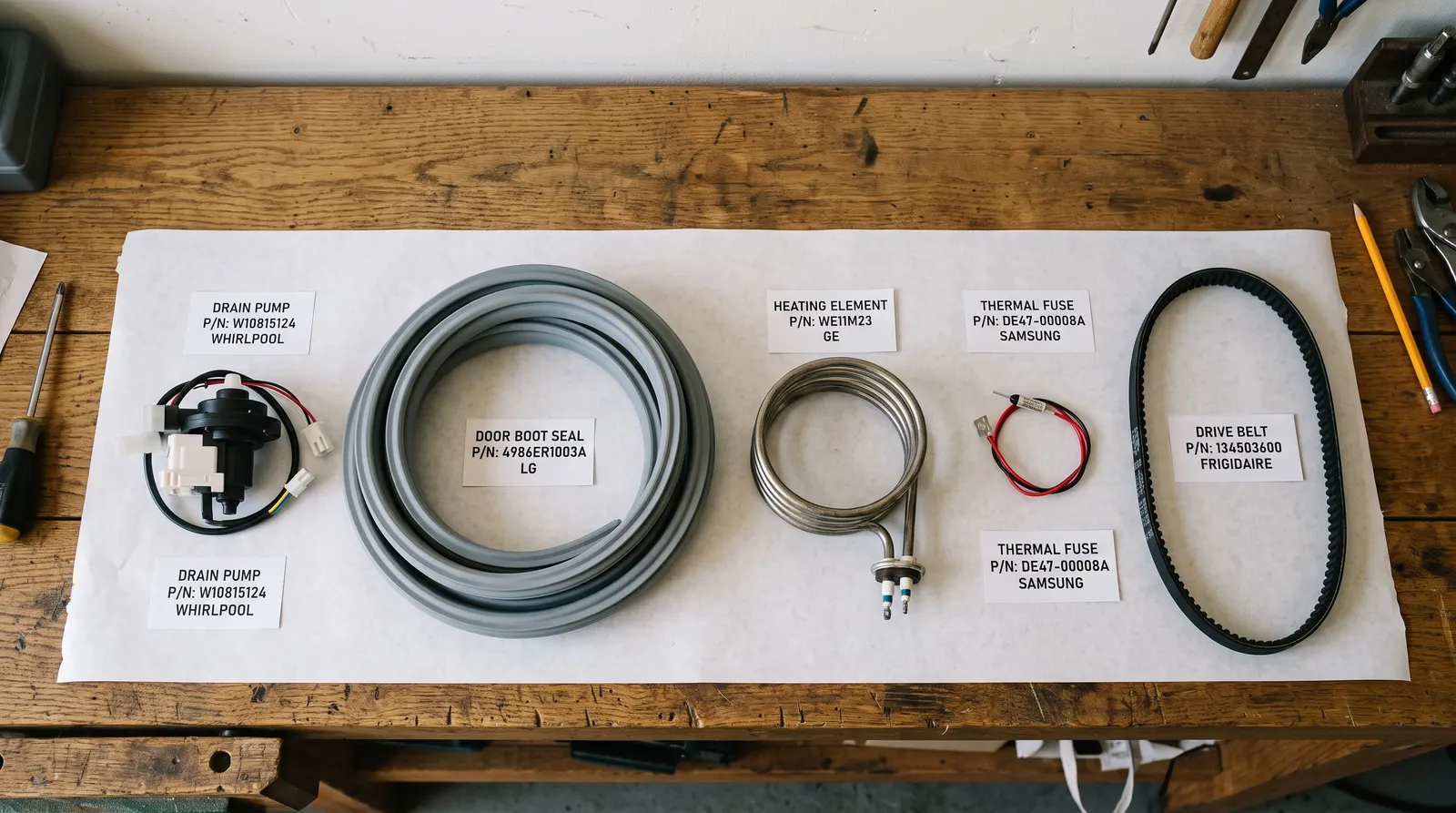
A refrigerator start relay is a small plug-on component that operates the compressor. It costs roughly $10 to $15 and it fails far more often than the compressor it controls. A dryer thermal fuse is a one-time safety device that costs very little and blows whenever the machine overheats.
The pattern repeats across the whole category: pumps, valves, seals, fuses and fans fail long before motors and sealed systems do. When a quote goes straight to the expensive component without a diagnosis, that is worth questioning.
In this guide
Everything in the appliance repair guide
Refrigerator not cooling
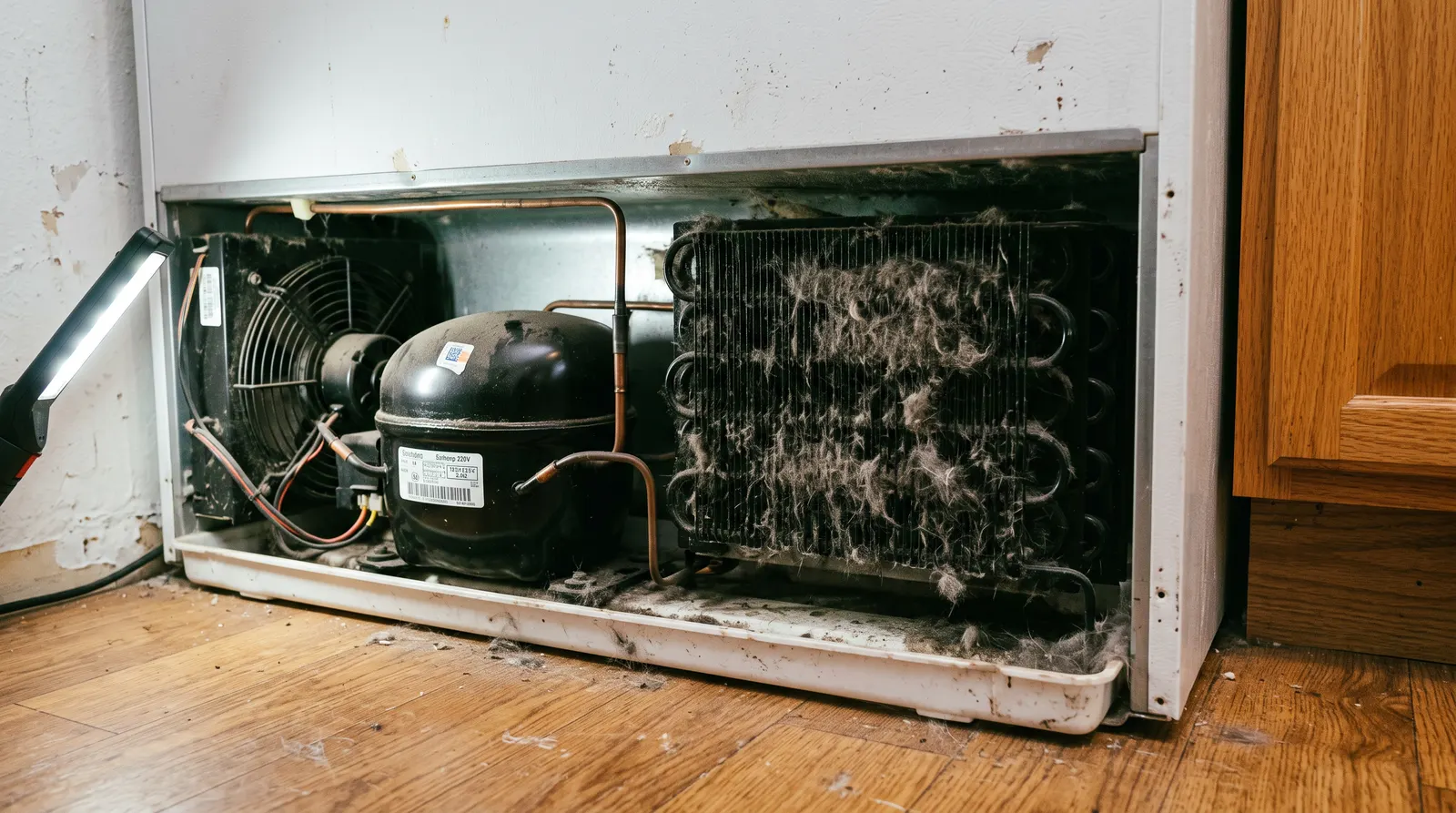
The start relay costs about $15 and gets mistaken for a compressor. Work the cheap causes first.
Fridge not cold but freezer works
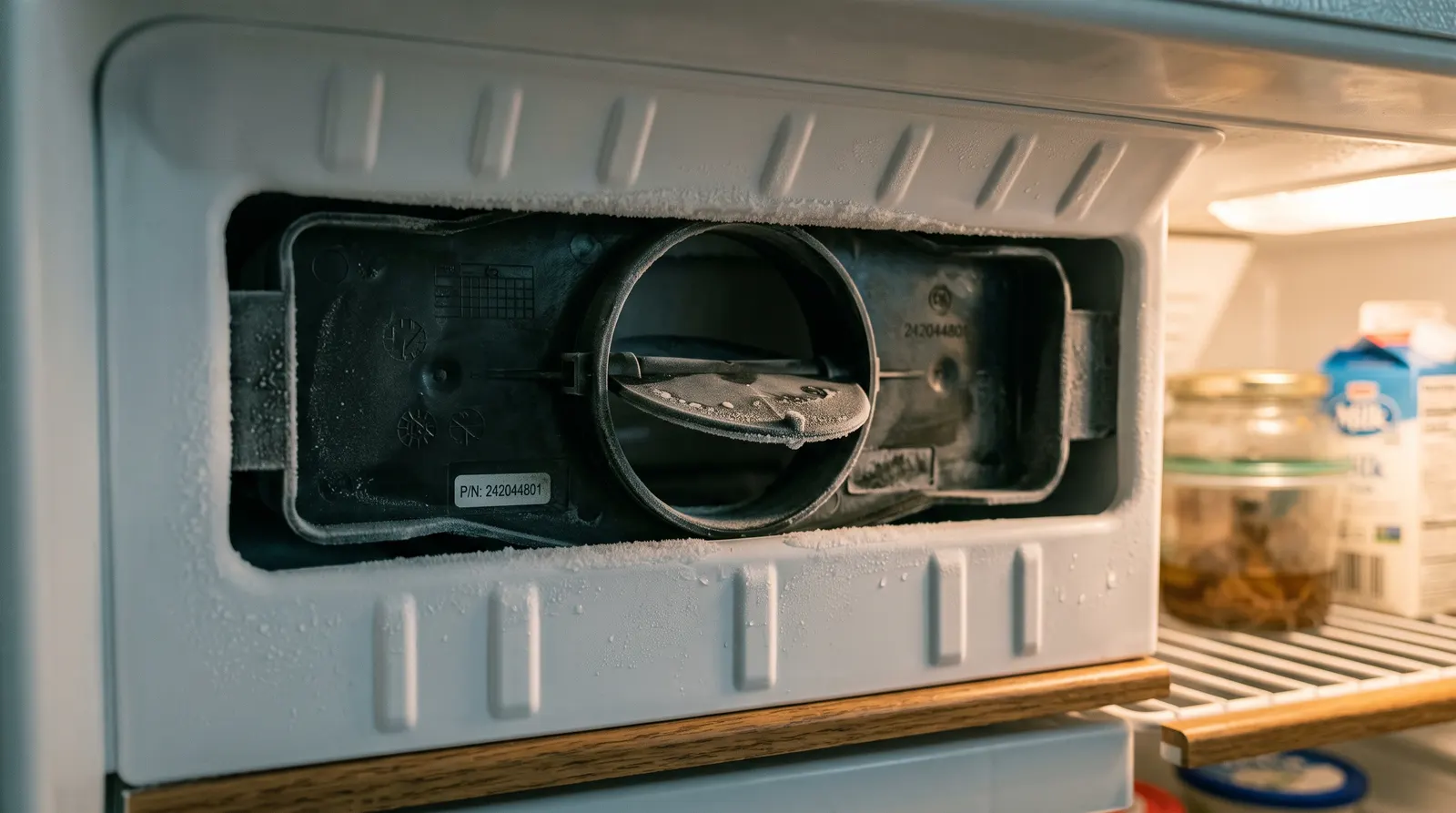
An airflow fault, not a cooling fault. The fan test, the iced duct and the damper.
Freezer not freezing
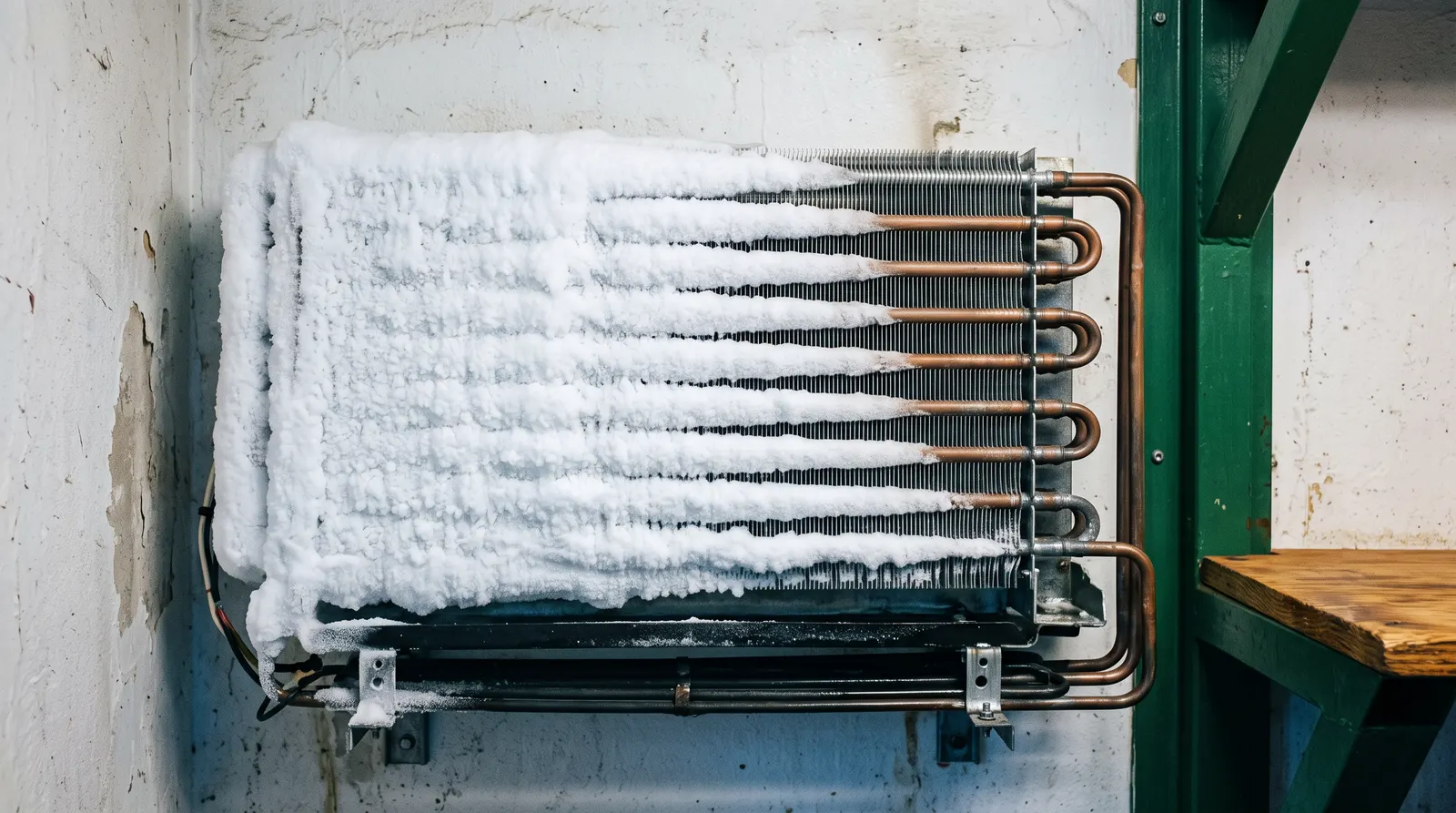
Cold is not the same as frozen. What that distinction rules out, and the food clock.
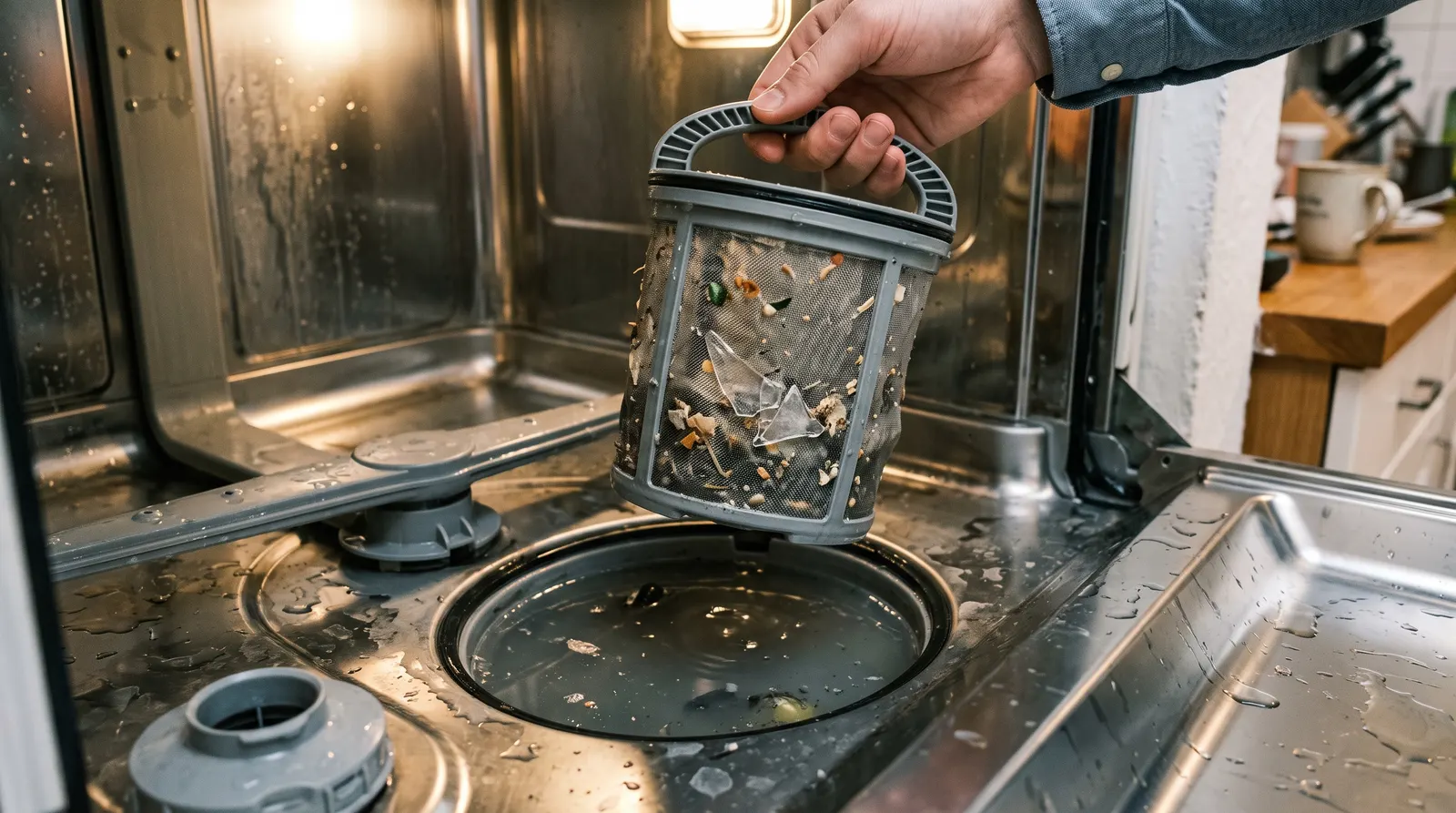
Dishwasher not draining
The filter, the high loop and the disposal knockout plug that stops every new install.
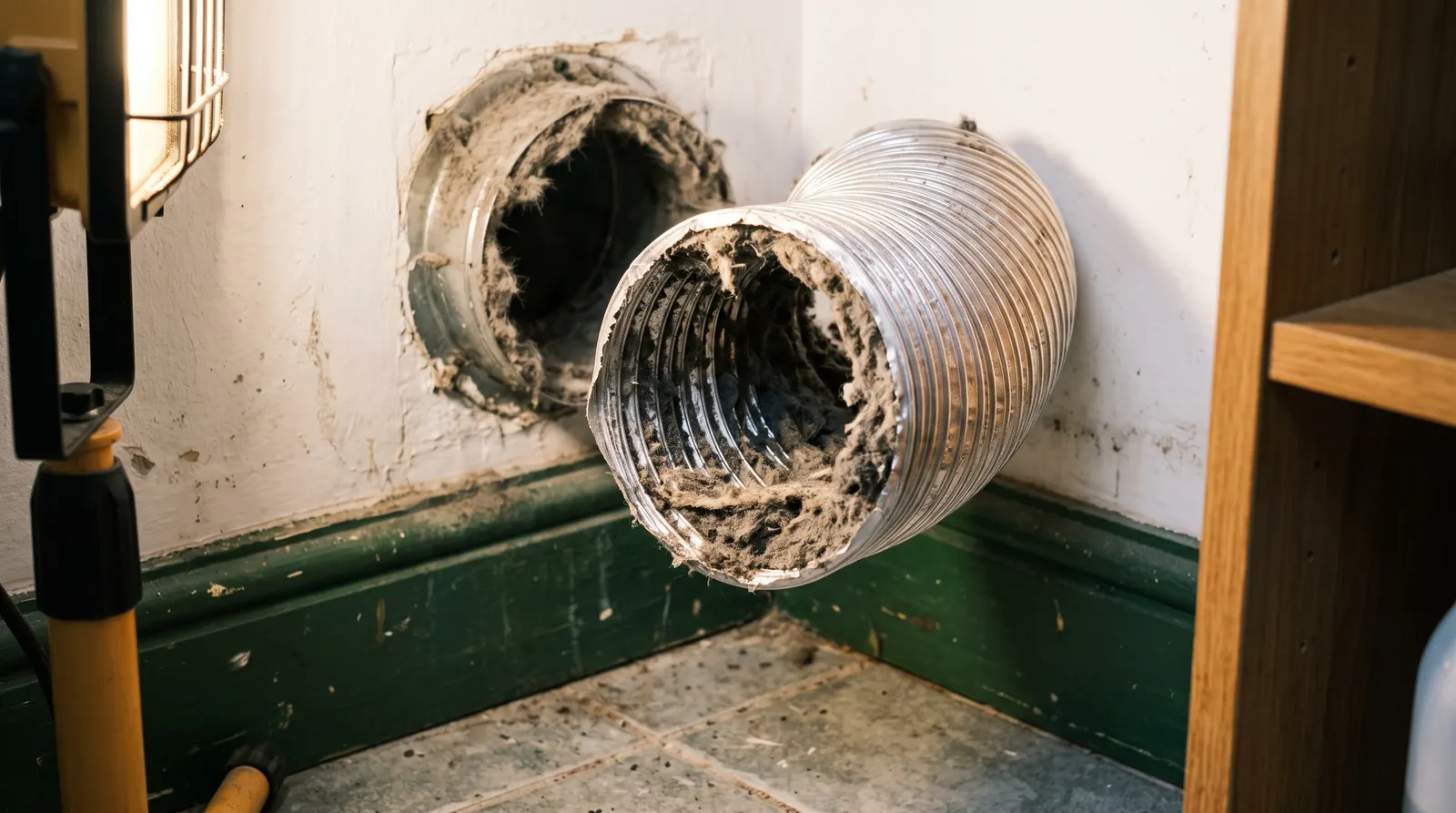
Dryer not heating
Why a blown thermal fuse means the vent is the real fault, and why that matters for fire risk.
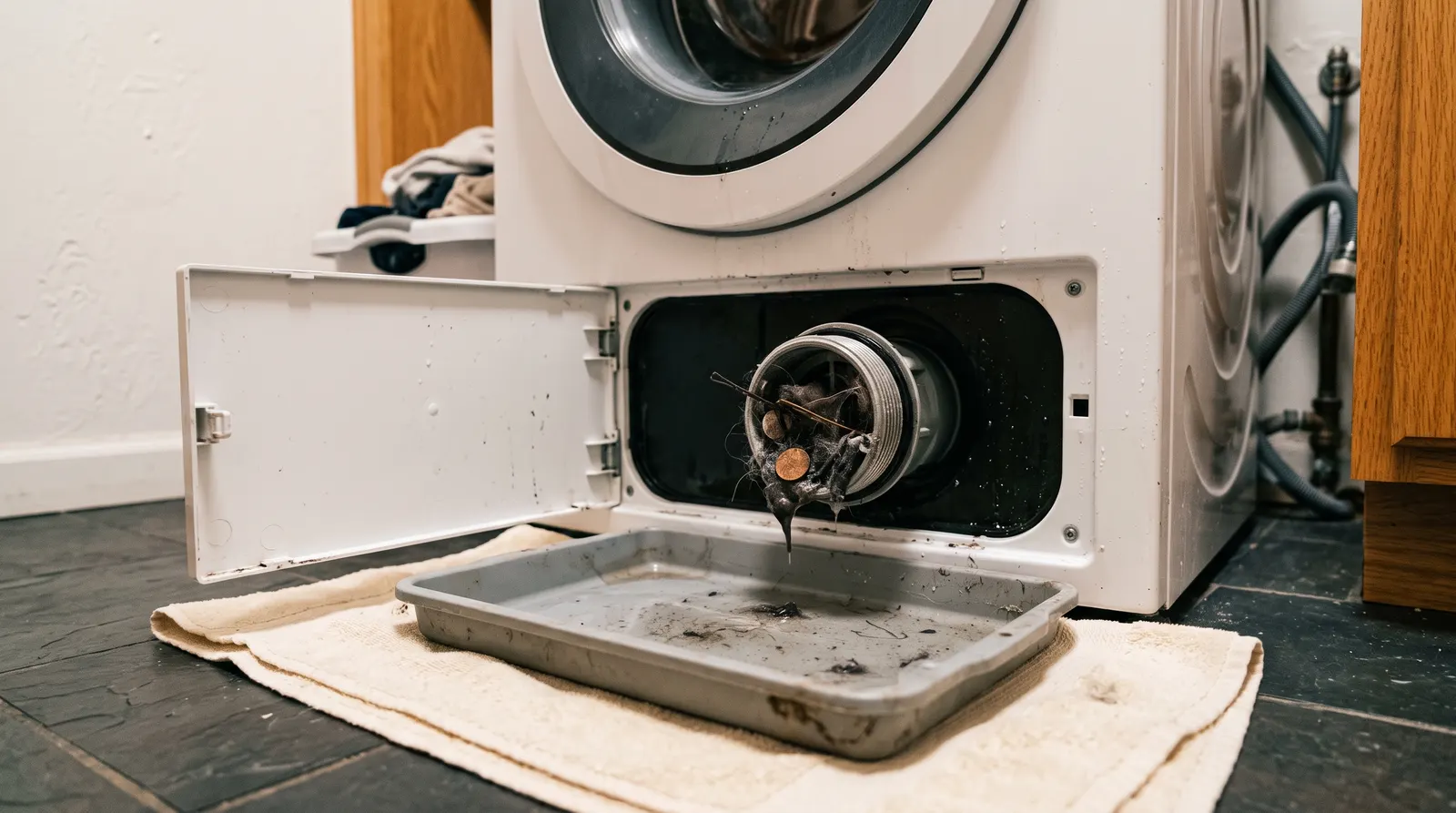
Washing machine leaking
Fill, spin or drain: the cycle phase tells you which part has failed, and what it costs.
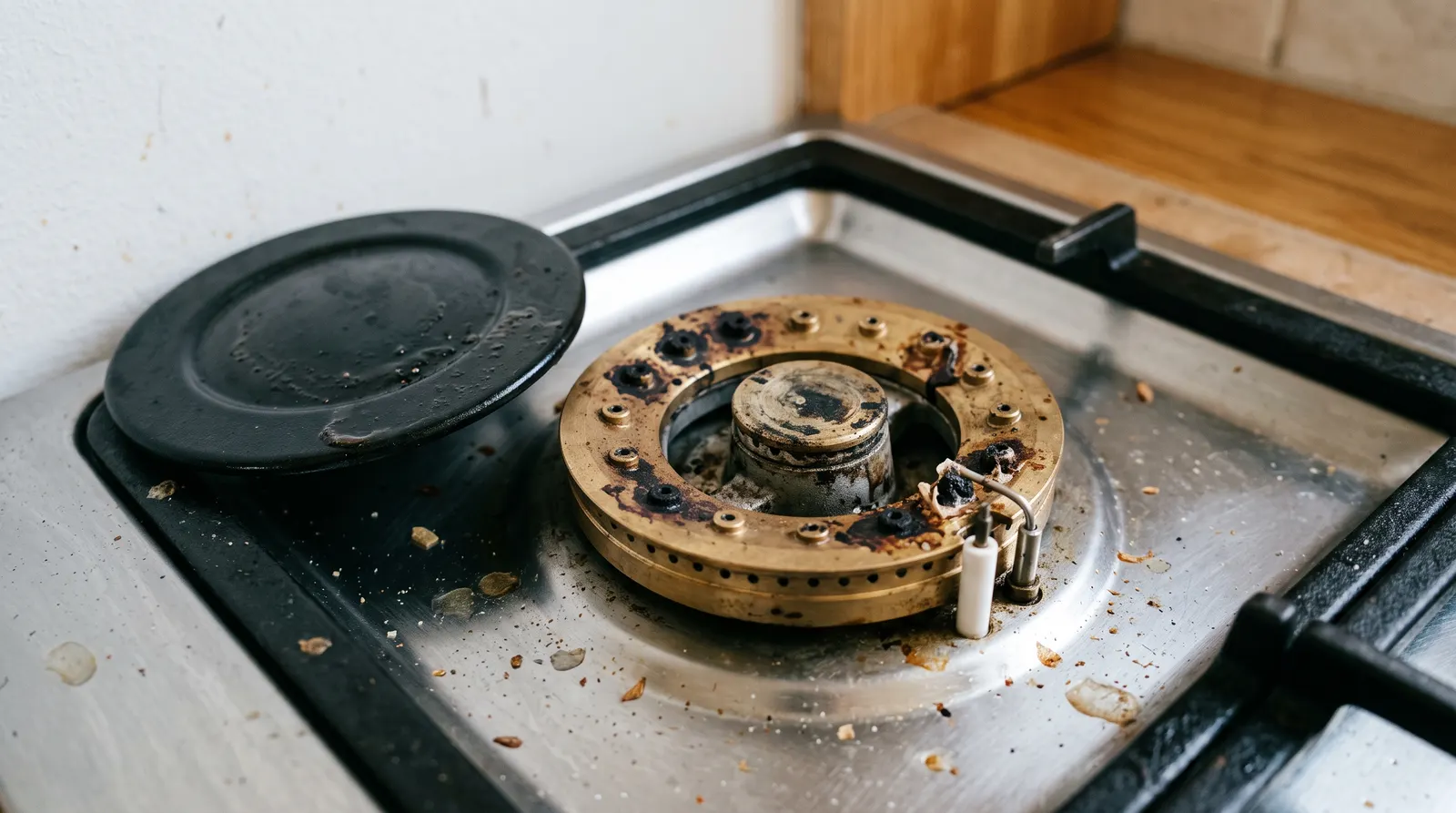
Gas stove won't light
Clicking or silent splits the diagnosis. Plus the gas smell rule that comes before any fix.
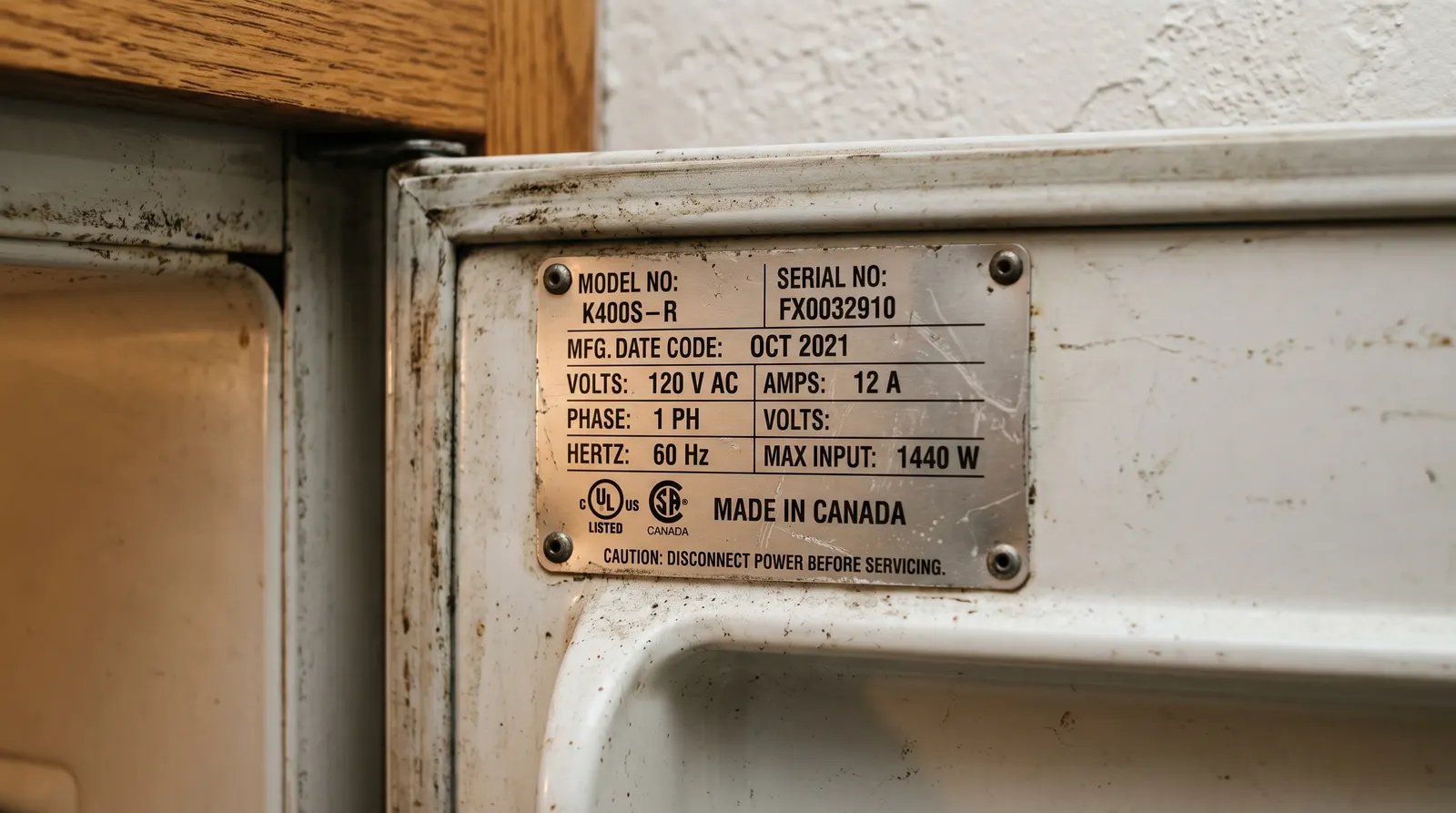
Is it worth repairing an appliance?
The 50 percent rule, typical lifespans, and the part costs that actually decide it.
What appliance repair actually costs
Indicative US ranges. Always get a written quote.
| Job | Typical range | Notes |
|---|---|---|
| Refrigerator start relay, part only | ~$10–$15 | Reported by owners, installs with a nut driver |
| Washing machine repair, overall | $150–$400 | National average around $300 |
| Stopping a washing machine leak | $75–$200 | Contractor average for the leak itself |
| Washer drain pump replacement | $300–$400 | Common no-drain and leak fix |
| Washer door seal or gasket | $230–$300 | Front loader boot leaks |
| Repair or replace rule of thumb | Replace above 50% | Of the price of a comparable new machine |
Source: Fixr 2026 washing machine repair cost data; part prices reported by owners in appliance repair communities, marked as reported (retrieved August 2026). Figures vary by region, severity and after-hours timing.
Figures last checked
Read the first row against the fourth. The same appliance can present a $15 problem or a $400 one with an identical symptom, which is exactly why a diagnosis has to come before a decision.
The 50 percent rule, and where it breaks down
What is the 50 percent rule for appliance repair?
Replace rather than repair once the quoted fix costs more than half the price of a comparable new machine. Include the diagnostic fee on the repair side, and compare against a like-for-like model rather than the cheapest one on the shelf.
The rule works because it scales with the value at stake rather than with the size of the bill. It breaks down in two places worth knowing.
The first is a cheap part on an old machine. A $15 relay on a twelve-year-old refrigerator is still worth doing, because the rule is about proportion, not age. The second is a discontinued part, which can make an otherwise trivial repair impossible regardless of the maths.
Our full guide to whether the repair is worth doing sets the rule against typical lifespans by appliance.
Refrigeration: cooling faults in order of likelihood
Refrigeration generates the most search volume and the most panic, and the panic is mostly misplaced.
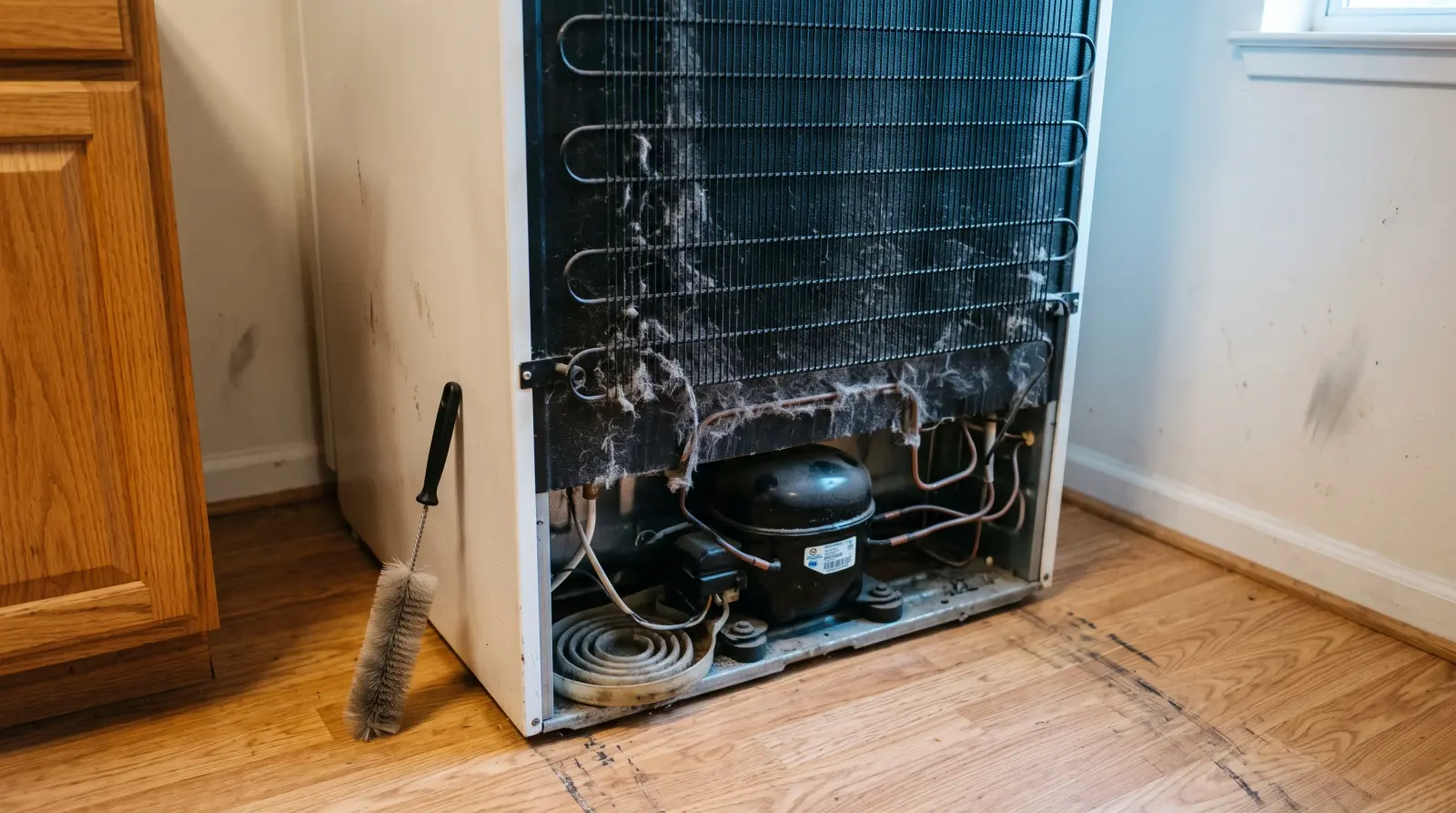
Start with heat removal and airflow: dirty condenser coils, food packed against the vents, a door seal that has stopped sealing. Then the evaporator fan and the defrost system, which produce the confusing partial failures where one compartment works and the other does not. The start relay comes before the compressor, always.
- Fridge and freezer both warm. Coils, then the relay, then the compressor. Covered in our guide to a refrigerator that is not cooling.
- Fridge warm, freezer cold. An airflow fault: a blocked vent, an iced duct, a stuck damper or a dead fan.
- Freezer cold but not frozen. Partial cooling, which rules out the worst failures and points at defrost or sealing.
Laundry: leaks, no heat and no spin
Laundry faults split cleanly between water going where it should not and heat not arriving where it should.
Washer leaks are best diagnosed by cycle phase rather than by crawling underneath. Fill points at the supply hoses, spin at the door or tub seal, and drain at the pump or its filter.
A dryer that tumbles without heating is usually one tripped leg of its 240 volt supply, a blocked vent, or the thermal fuse that the blocked vent destroyed.
That last one matters beyond the laundry. The CPSC identifies lint accumulation in the screen and the vent as the leading contributor to clothes dryer fires, which makes a poorly drying machine a safety signal rather than an inconvenience.
24/7 dispatch network
Get a licensed technician to diagnose it
Tell us which appliance and what it is doing, plus your ZIP code. Licensed, insured technicians covering your area will contact you directly. Submitting costs nothing and there is no obligation to hire.
Fire, a gas smell, or an injury? Leave the building and call 911 first, then your gas utility or power company. Use this form once you are safe.
Know the line
Safe to check yourself, or call a technician?
Safe to check yourself
- Filters, condenser coils, door seals and vents
- Drain hoses, supply hoses and pump filters
- Breaker position and the power supply
- Temperature settings and cycle selection
- Clearing a burner port on a cold, dry gas hob
Call a pro now
- Anything on a gas line, valve or regulator
- Refrigerant and sealed system work
- A dryer that keeps blowing thermal fuses
- Control board diagnosis on any machine
- Any repair where you would be guessing at the part
Kitchen: draining, ignition and heat
Kitchen appliances fail in ways that look alarming and usually are not.
A dishwasher holding standing water is nearly always the filter, the drain hose routing or the garbage disposal connection. A brand new one that has never drained is almost certainly the disposal knockout plug the installer forgot.
A gas burner that clicks without lighting is generating spark and not receiving gas, which points at a blocked port or a cap sitting proud of its seat.
Both of those are free to fix. Neither appears prominently on the pages currently ranking for those queries.
How long each appliance should last
Lifespan is the variable the 50 percent rule depends on, because it decides how much life a repair is buying back.
A machine at half its expected life with a single fault is a straightforward repair. A machine well past it, on its third fault in two years, is telling you something the arithmetic alone will not. Repair history is often a better signal than age.
How diagnostic fees actually work
Most technicians charge to attend and identify the fault, then credit that fee against the repair if you proceed.
Free service call, which appears on almost every city page ranking for appliance repair, generally means free only when you go ahead with the work. That is a reasonable arrangement and worth confirming when you book rather than discovering on the doorstep.
- What exactly has failed, and how was that determined?
- Is the diagnostic fee credited against the repair?
- Is the part in stock or on order?
- What is the warranty on the part and the labour?
- What does the labour cost separately?
- Is there a callback charge if it fails again?
What homeowners actually ask
What owners report
Drawn from real public forum threads and reported prices, summarised and attributed as patterns. These are not reviews of this site, and no names or ratings have been invented.
“Fridge/freezer stopped cooling, can I fix it?”
“Dryer works but does not heat. Do I have a bad plug or...”
“Washer leaked water all over the floor, but all fittings are dry. I am stumped”
“Owners report a start relay and capacitor kit at roughly $10 to $15”
1 / 4
The pattern across those threads is consistent: the community answer is almost always cheaper than the first professional quote, because the community starts from the symptom and the quote often starts from the most expensive plausible cause.
What a technician does that you cannot
The DIY line is not about competence, it is about licensing and equipment.
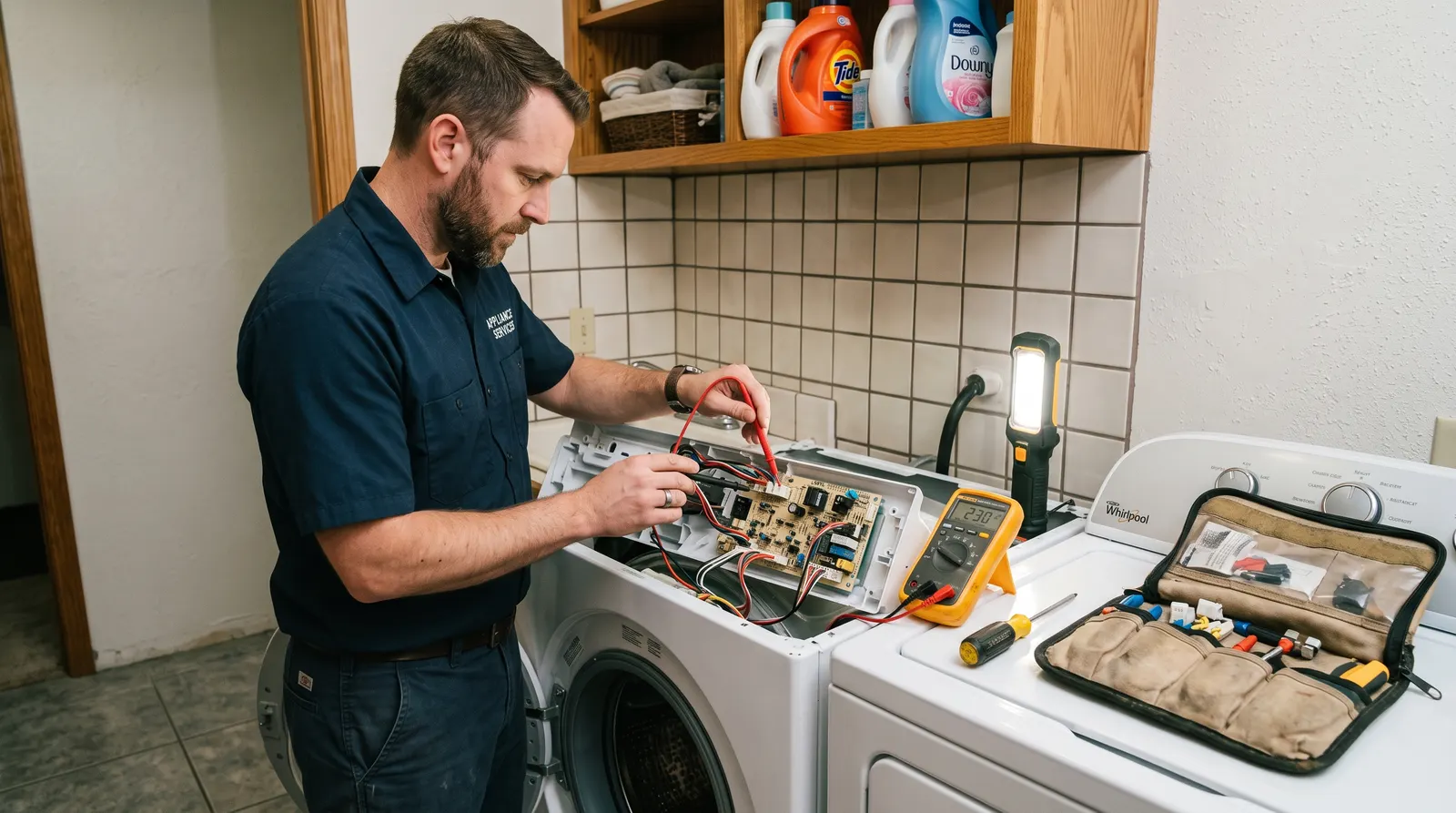
Sealed system and refrigerant work is licensed work in the US, and so is anything on a gas line, valve or regulator. Beyond that, a technician arrives with diagnostic tools that identify the failed part before it is bought, which is the difference between one visit and a sequence of hopeful part swaps.
How the matching works, and what we do not do
Emergency Services 24H is a referral service. We do not employ appliance repair technicians, we do not perform repairs, and we do not sell parts.
Your request routes by ZIP code to licensed, insured technicians covering your area, and they contact you directly. Every cost figure on this page is a published third-party range or an owner-reported price, not a quote for your machine.
Straight answers
Frequently asked questions
The questions homeowners actually search for on this problem, answered in plain language.
Browse all guidesIs it worth it to fix an appliance?
Usually yes when the repair costs less than half the price of a comparable new machine and the appliance is inside its normal lifespan. The part that fails is often a relay, fuse, valve or pump costing tens of dollars rather than the compressor or motor people fear.
What is the 50 rule for appliance repair?
The 50 percent rule says replace rather than repair once the quoted fix costs more than half the price of an equivalent new appliance. Read it alongside age: the same repair is a clear yes at five years and a clear no at fifteen.
What is the most common appliance failure?
It varies by machine, but the pattern holds: airflow and drainage failures dominate. Dirty condenser coils, blocked filters, clogged vents and worn door seals account for a large share of the symptoms people call about, and most of them are maintenance rather than repair.
How much does appliance repair cost?
Washing machine repair runs roughly $150 to $400 nationally, with a drain pump replacement around $300 to $400 and a door seal around $230 to $300. Most technicians charge a diagnostic fee and credit it against the repair if you go ahead.
Can I fix an appliance myself?
Some of it, yes. Filters, seals, coils, hoses, vents and settings are all fair game with the machine unplugged. Anything behind a sealed panel, anything on a gas line, and anything involving refrigerant is licensed work and not a DIY job.
Do you employ the technicians?
No. Emergency Services 24H is a referral service. We route your request by ZIP code to licensed, insured appliance repair technicians covering your area, and they contact you directly. We do not perform repairs and we do not sell parts.
Sources for this page
- U.S. Consumer Product Safety Commission: Overheated clothes dryers can cause fires: lint accumulation is the leading contributor
- U.S. Fire Administration (FEMA): Clothes dryer fire safety
- Whirlpool (manufacturer support): Reasons why your washing machine is leaking
- Fixr
Checked . If a figure here no longer matches its source, that is a bug, so tell us and we will correct it.
24/7 dispatch network
Get help from a licensed local contractor
Tell us what has failed and where you are. We route your request to licensed, insured contractors covering your ZIP code, and they contact you directly.
Fire, a gas smell, or an injury? Leave the building and call 911 first, then your gas utility or power company. Use this form once you are safe.