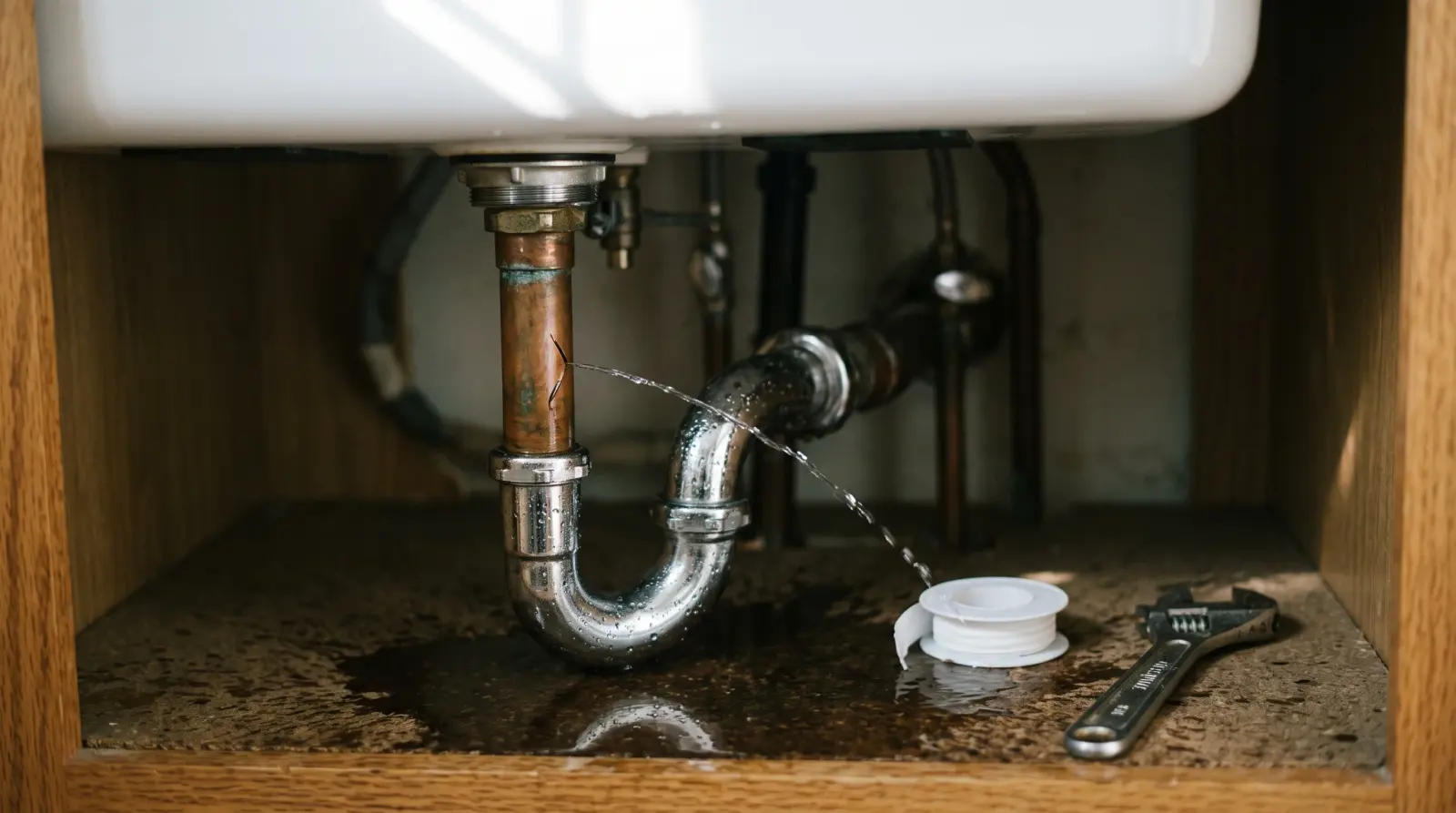
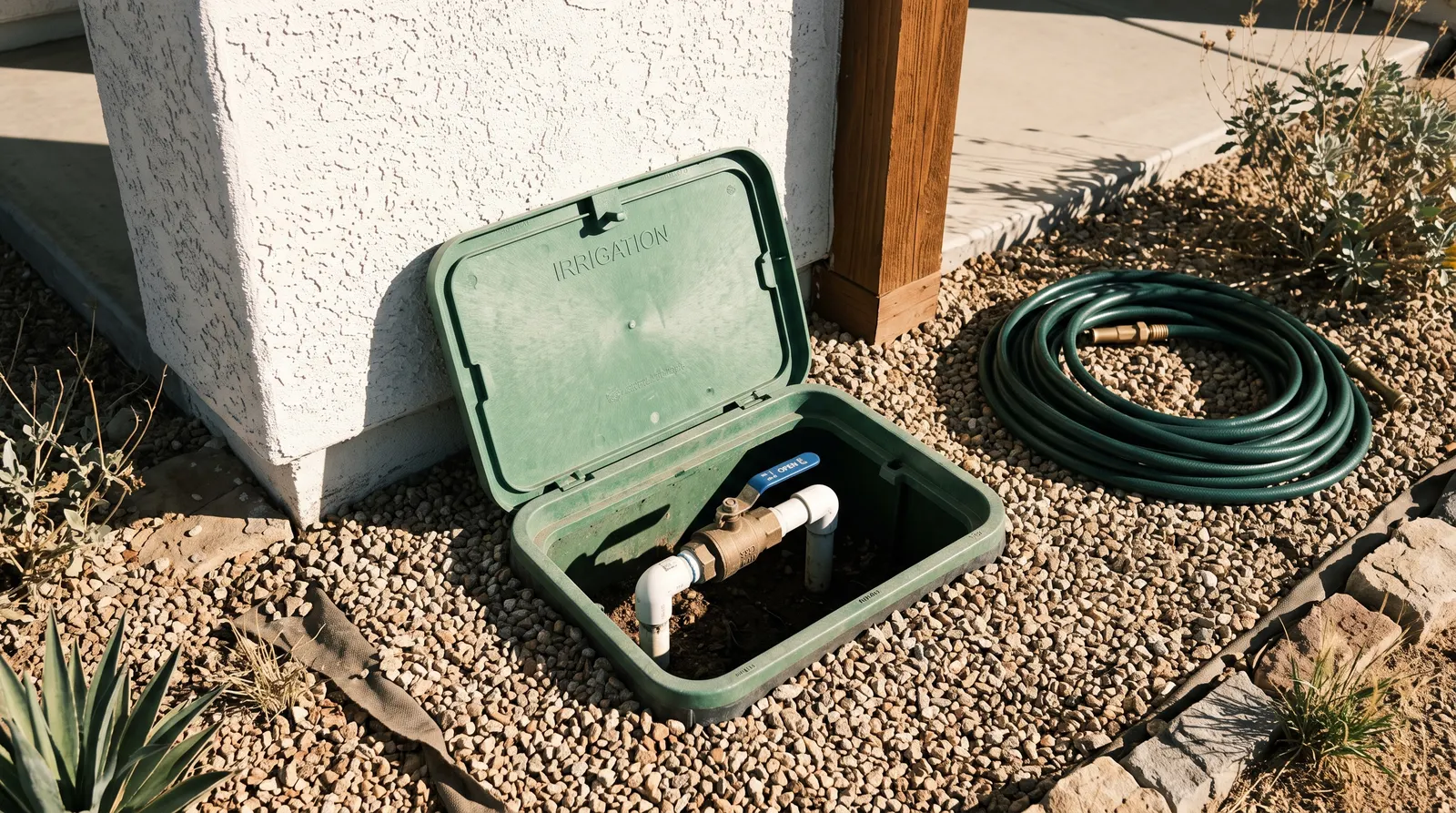
The line at the meter decides who pays, and it is the single most useful thing to know before making a call. Water surfacing at the kerb, or a soggy verge between the pavement and the road, is almost always their side.
Turning the water back on without causing a second problem
Restoration is where people create the leak they were trying to avoid. A valve opened fast sends a pressure surge through a system that has just been drained, and the surge finds every marginal joint at once.
- Open a quarter turn. Let the system fill slowly. You will hear it filling; that is the point.
- Bleed from the top down. Open the highest fixture first and let it spit air until it runs clean, then work downward through the house.
- Open the valve fully. Only once flow is steady and the air is out.
- Walk the run. Check every visible joint on the affected line, and check under sinks and behind the water heater half an hour later.
Brown or cloudy water for a few minutes after restoration is normal, because the surge lifts settled sediment. Run a cold tap until it clears before using it, and avoid running hot water first, which pulls that sediment into the tank.
Why there is no hot water when the cold works
Cold water works but there is no hot water. Why?
The fault is at the water heater, not the supply. Usual causes are a closed isolation valve on the heater, a tripped breaker or extinguished pilot, a failed heating element or thermocouple, or a broken dip tube. The cold side working proves the main supply is fine.
Check the simplest things first: the breaker for an electric unit, the gas control knob for a gas one, and the two isolation valves on the pipes at the top of the tank.
Stop immediately if there is any sulphur smell near a gas water heater. That is a gas utility call from outside the building, not a plumbing diagnosis.
Label it tonight, find it in the dark next time
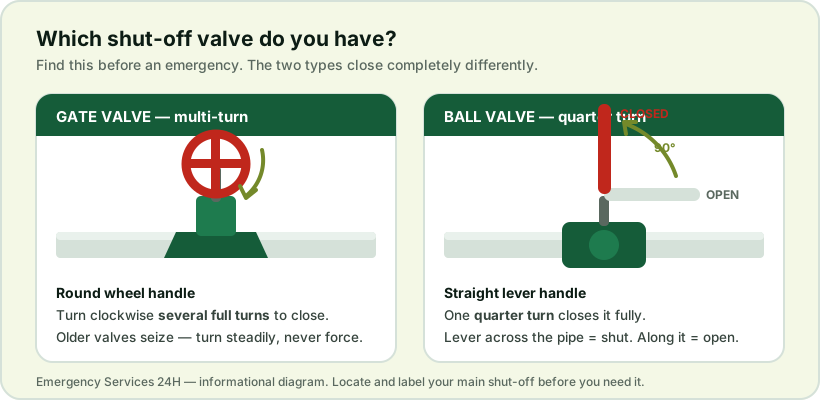
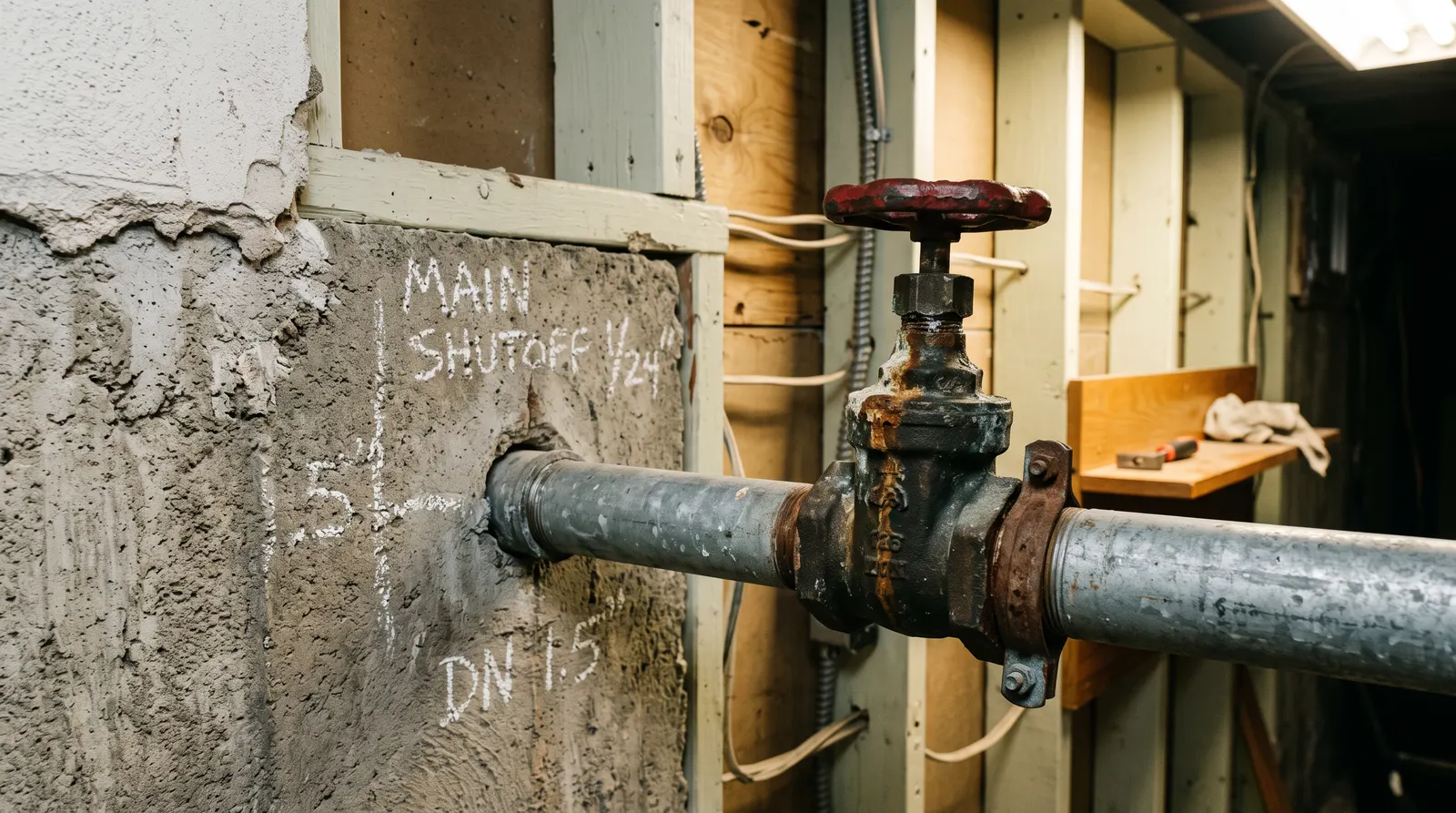
The best five minutes anyone spends on home plumbing is finding the main valve while nothing is wrong. Tag it, photograph it, and note the valve type.
Exercise it twice a year. Closing and reopening a gate valve two times a year is what stops it seizing, and a valve that turns freely in June is the difference between a wet floor and a wet house in January. Keep a meter key with the tag if your only reliable stop is outside.
How the matching works, and what we do not do
Emergency Services 24H is a referral service. We do not employ plumbers, and we cannot operate a utility stop on your behalf.
Your request routes by ZIP code to licensed, insured contractors covering your area, and they contact you directly. If the answer turns out to be a call to your water company instead, that is what this page tells you to do.