Kissing bug bites: the real risk, and the sensible response
The mechanism is the part that gets left out, and it is the part that makes this proportionate. Transmission happens through the insect faeces, not through the bite.
Kissing bug bites are usually painless, often clustered, and frequently around the face, and the bite itself is not how Chagas disease is transmitted. CDC describes transmission through the insect faeces entering a bite wound or a mucous membrane, which is why crushing one against your skin is the specific action to avoid.
How transmission actually works
Does a bite mean you have been infected?
No. The parasite is carried in the insect faeces rather than in its saliva. Infection requires that material to enter a bite wound, the eyes or the mouth. A bite on its own is not evidence of transmission, which is the fact that makes the rest of this proportionate.
That mechanism is stated on CDC pages and paraphrased loosely almost everywhere else, which is how a manageable risk becomes an alarming one.
If you find one indoors
Four steps, and none of them involve panic
01
Do not squash it
Crushing releases the insect faeces onto your skin, and that is the material that can carry the parasite. The bite itself is not the transmission route.
02
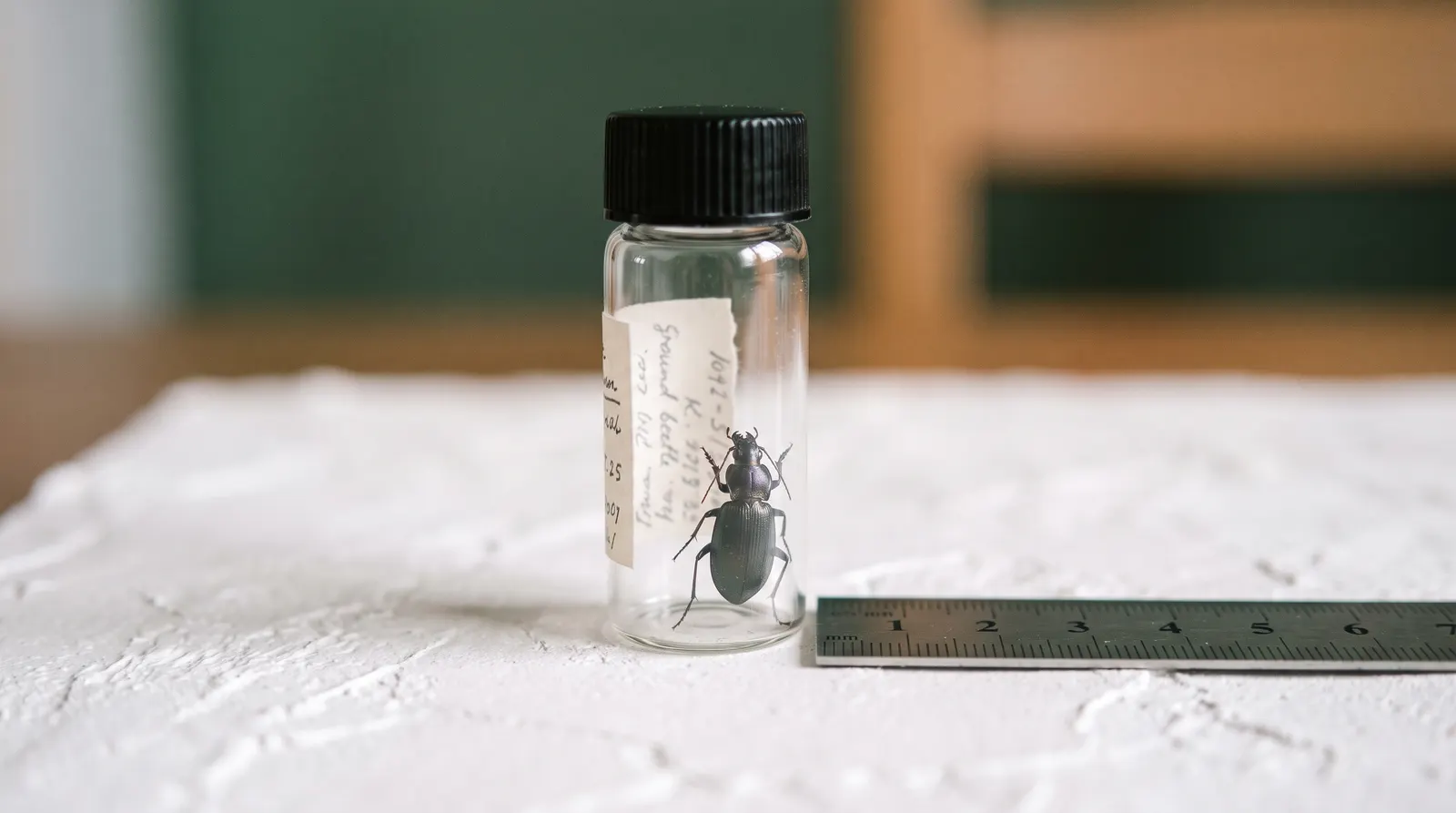
Trap it under a container
Place a jar or glass over it, slide card underneath, and seal it. That keeps the specimen intact for identification and keeps the faeces contained.
03
Wash hands and surfaces
Soap and water on your hands, and a disinfectant wipe over any surface the insect was on. That is a two minute job and it closes the risk.
04
Get it identified before you worry
Most reported sightings turn out to be look-alike insects. Many state extension services identify specimens free of charge.
Why you should not squash one
The instruction circulates widely. The reason behind it circulates far less.
Crushing is the risk, not the insect
Squashing a triatomine bug against skin releases its faeces onto that skin, which may be broken by the bite you are reacting to. That is the route by which Trypanosoma cruzi enters. Trap the insect under a glass, slide card underneath, seal it, and wash your hands and the surface afterwards.
What a kissing bug bite looks like
Bites are typically painless, which is why people wake up to them rather than notice them happening.
They frequently appear in clusters and often around the face, which is where the common name comes from. The insects feed at night while people are asleep. None of those characteristics are unique to triatomines, which is why identification of the insect matters more than examination of the bite.
Where they are found in the US
Predominantly southern states, with a documented range across a number of them.
Associated with woodpiles, animal housing, kennels and rural outbuildings.
Indoor sightings are less common than outdoor ones, and they are usually about a gap rather than an established population.
CDC maintains the current distribution information and is the authority on it.
What most sightings actually are
Is it likely to be a kissing bug at all?
Statistically, no. Wheel bugs, leaf-footed bugs and various stink bugs account for a large share of reported sightings, and many state extension services will identify a specimen free of charge. That identification is the cheapest step available.
This is the single most useful and least published fact on the topic. Before assuming the worst, get the insect looked at by someone who identifies them for a living.
If you think you were bitten
Practical rather than reassuring or alarming, in that order.
Wash the area thoroughly with soap and water.
Keep the insect if you can do so safely, sealed in a container, for identification.
Speak to a clinician about testing if you are concerned or the insect is confirmed.
Do not self-diagnose from a photograph of a bite, which is not diagnostic on its own.
Keeping them out of the house
Exclusion is the same work that keeps out most other crawling insects, which makes it worth doing regardless of what the specimen turns out to be.
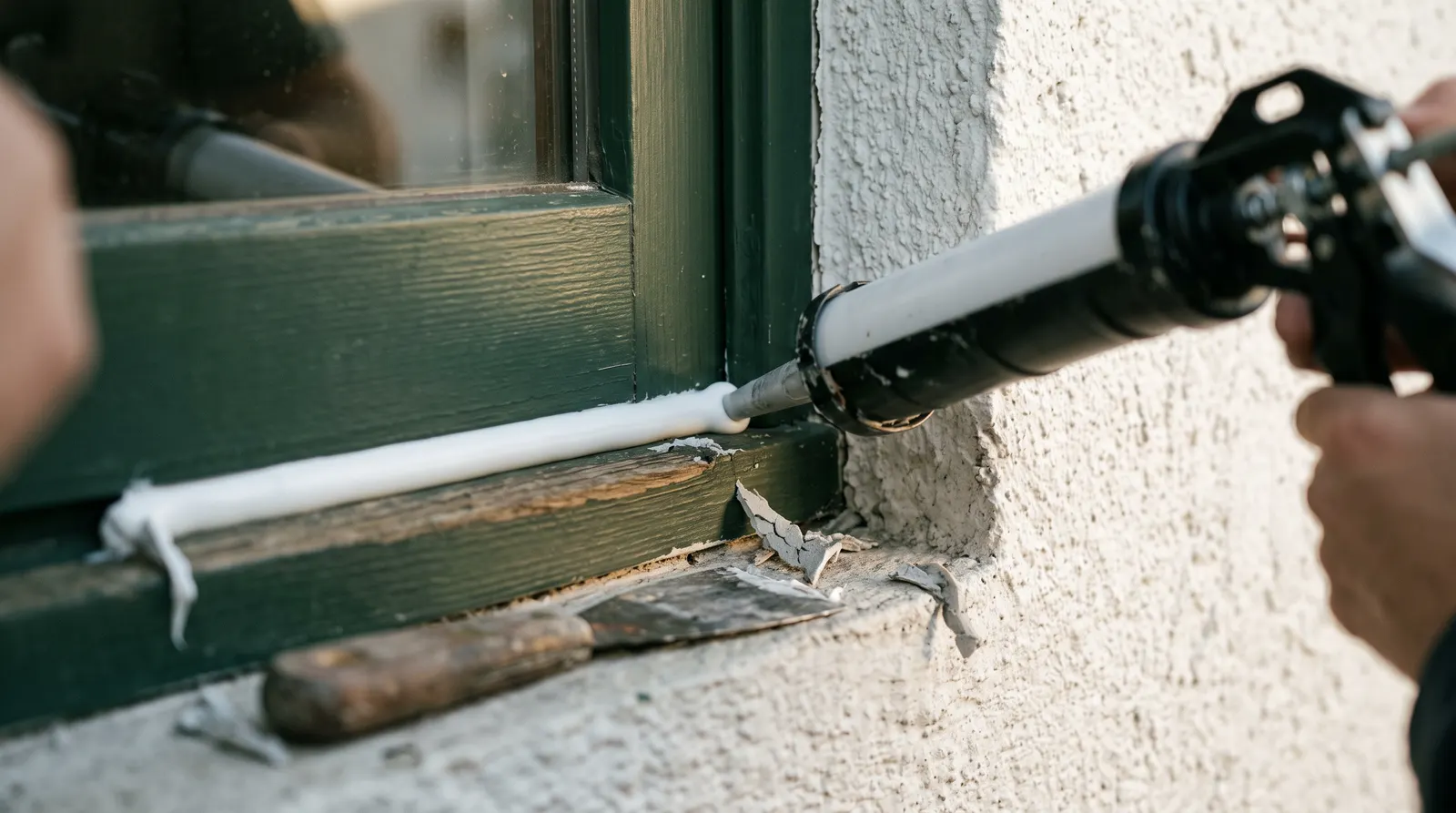
Seal cracks and gaps around doors and windows, repair or replace damaged screens, and check where utilities enter the building. Move woodpiles and animal housing away from the walls. Reduce outdoor lighting near doorways at night, because lights draw insects toward the entrances rather than away from them.
When to call a pest professional
A single insect on a windowsill is a sealing job. Repeated indoor sightings are a different conversation.
Call when sightings recur rather than happen once, when a specimen has been confirmed as a triatomine species, or when the gaps that need sealing are structural rather than something you can fill with a tube of sealant.
Keep any specimen in a sealed container for identification rather than crushing it. Correct identification changes the advice completely.
What the sensible response costs
Indicative US ranges. Always get a written quote.
Job
Typical range
Notes
Specimen identification
often free
Many state extension services offer this
Sealing gaps and window screens
inexpensive DIY
The main exclusion measure
Pest inspection visit
$150–$500 reported
Consumer-reported single visit range
Recurring plan, per visit
$40–$100
Consumer-reported, rarely needed for this
Source: This Old House 2026 exterminator cost data for inspection pricing, with identification and exclusion costs stated qualitatively (retrieved August 2026). Figures vary by region, severity and after-hours timing.
Figures last checked
The first row resolves most of these cases at no cost at all, which is why it sits at the top of the table rather than at the bottom of an article.
How the matching works, and what we do not do
Emergency Services 24H is a referral service. We do not employ pest control technicians, we do not identify specimens, and nothing on this page is medical advice.
Your request routes by ZIP code to licensed, insured technicians covering your area, and they contact you directly. For the health questions, CDC and your own clinician are the authority.
What homeowners actually ask
What people are asking
Drawn from real public forum threads and reported prices, summarised and attributed as patterns.
These are not reviews of this site, and no names or ratings have been invented.
“Why should I not squish a kissing bug?”
SourceA People Also Ask question on this SERP. The ranking pages give the instruction and largely omit the mechanism, which is what makes it memorable.
“What states is the kissing bug found in?”
SourceAnother People Also Ask question, asked twice on the same results page. The distribution is wide across southern states and the practical detail is usually thin.
“Wheel bugs, leaf-footed bugs and stink bugs account for most reported sightings”
SourceA pattern reported by university extension identification programmes, and the single most reassuring fact on the topic. It appears on almost no commercial page.
1 / 3
The look-alike statistic is the one that changes most people's afternoon. It is also the one that almost never appears above the fold on a page about this insect.
Know the line
Handle it yourself, or get help?
Safe to check yourself
Trapping a single insect under a container
Washing hands and surfaces afterwards
Sending or taking a specimen for identification
Sealing gaps around doors and windows
Moving woodpiles away from the building
Call a pro now
Repeated indoor sightings over days or weeks
A confirmed triatomine identification
Structural gaps you cannot seal yourself
Any suspected bite where you want medical advice
Animal housing or outbuildings close to the home
24/7 dispatch network
Get a licensed pest control technician
Tell us what you found and where, plus your ZIP code. Licensed, insured technicians covering your area will contact you directly. No obligation to hire.
Fire, a gas smell, or an injury? Leave the building and call 911 first, then your gas
utility or power company. Use this form once you are safe.
Straight answers
Frequently asked questions
The questions homeowners actually search for on this problem, answered in plain language.
Most bites cause only local irritation, often painless and in clusters. The parasite that causes Chagas disease is carried in the insect faeces rather than in the bite itself, so a bite alone is not evidence of infection. Wash the area and speak to a clinician if you are concerned.
Why should I not squash a kissing bug?
Because crushing it releases faeces onto your skin, and that is the material that can carry the parasite. If the skin is broken or the material reaches your eyes or mouth, that is the transmission route. Trap it under a container instead and wash your hands afterwards.
What states are kissing bugs found in?
Predominantly the southern United States, with a documented range extending across a number of states. They are associated with woodpiles, animal housing and rural structures, and indoor sightings are considerably less common than outdoor ones.
Are kissing bugs dangerous?
Some carry Trypanosoma cruzi, the parasite that causes Chagas disease, and that is a genuine health concern. It is also true that most sightings turn out to be look-alike insects and that transmission requires the faeces to enter a wound or mucous membrane rather than simply being bitten.
What insects get mistaken for kissing bugs?
Wheel bugs, leaf-footed bugs and various stink bugs are the most common look-alikes, and they account for a large share of reported sightings. Many state extension services will identify a specimen for free, which is worth doing before assuming the worst.
How do I keep them out of the house?
Seal cracks and gaps around doors, repair window screens, move woodpiles and animal housing away from the building, and reduce outdoor lighting near entrances at night. Repeated indoor sightings, rather than a single one, are the point to involve a pest professional.
Identification matters here
Sealing a home against entry
Exclusion does most of the work here. Sealing gaps and moving woodpiles away from the walls matters more than spraying.
Tell us what has failed and where you are. We route your request to licensed, insured contractors covering your ZIP code, and they contact you directly.
Fire, a gas smell, or an injury? Leave the building and call 911 first, then your gas
utility or power company. Use this form once you are safe.