Pest Emergencies
Emergency Pest Control Act Fast and Safely
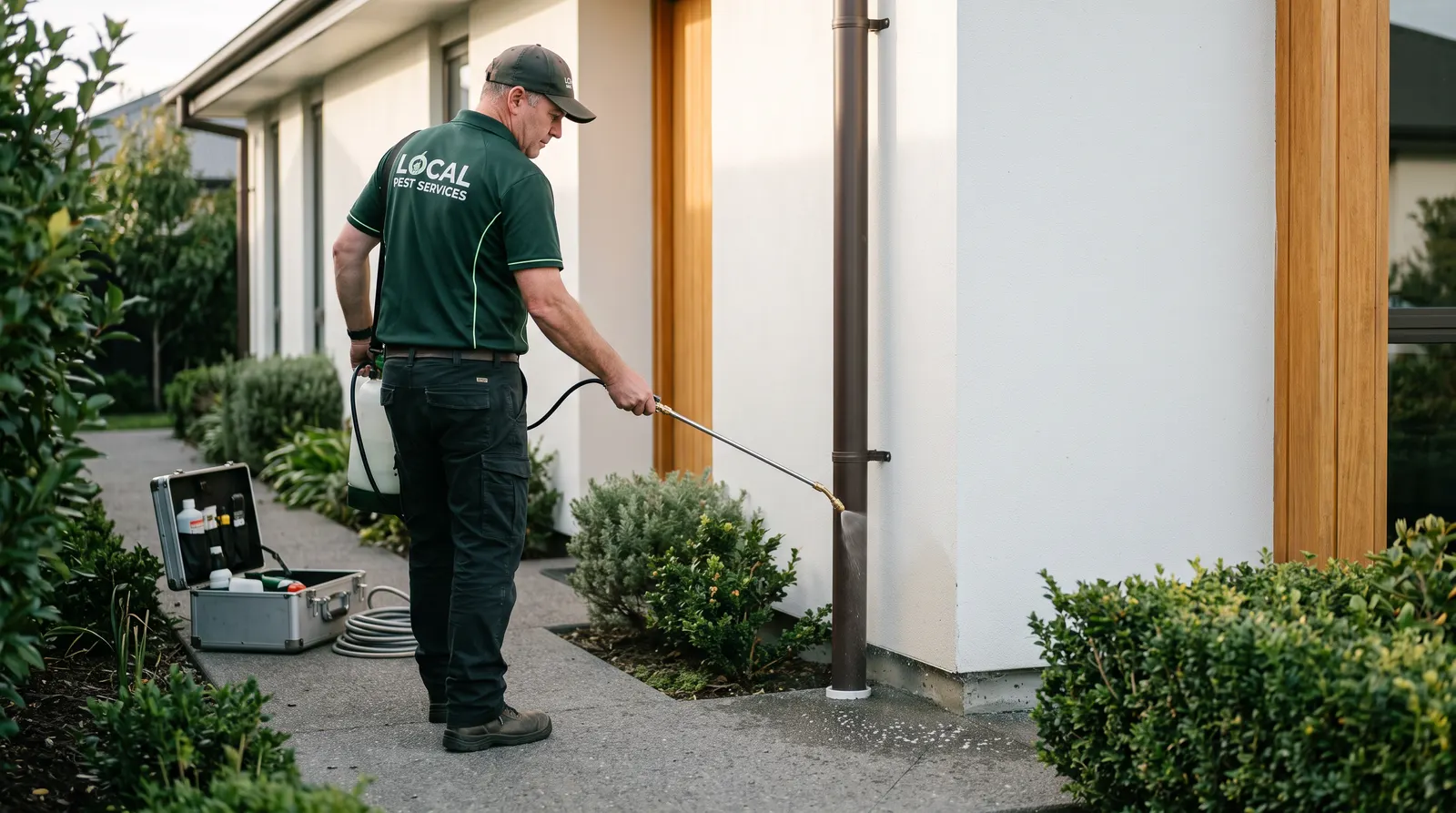
Emergency pest control is priced by pest and by property, from about $150 to $500 for a rodent visit to roughly $385 for a nest. Two things decide what happens next: what the pest is, and whether it carries a health risk.
24/7 dispatch network
Request a local contractor now
Fire, a gas smell, or an injury? Leave the building and call 911 first, then your gas utility or power company. Use this form once you are safe.
Cost follows the pest, not the property
Exterminator cost follows the pest rather than the property: wasp nest removal averages about $385 nationally, and a typical two visit rodent program lands near $300 to $400. What decides urgency is different again, and it is the question the top guides online skip.
Some infestations are an inconvenience with a growth rate. Two of them carry a health protocol that matters more than the price.
“Because you have bed bugs doesn't have anything to do with you being nasty or dirty. They're hitchhikers.”
Before you call anyone
Four steps that decide the whole job
- 01
Check for a health trigger
A sting reaction with breathing difficulty is a 911 call. Rodent droppings carry a cleanup protocol.
- 02
Identify the pest properly
Treatment method, price and urgency all follow the species. Most wrong decisions here start with a wrong identification.
- 03
Price it against DIY honestly
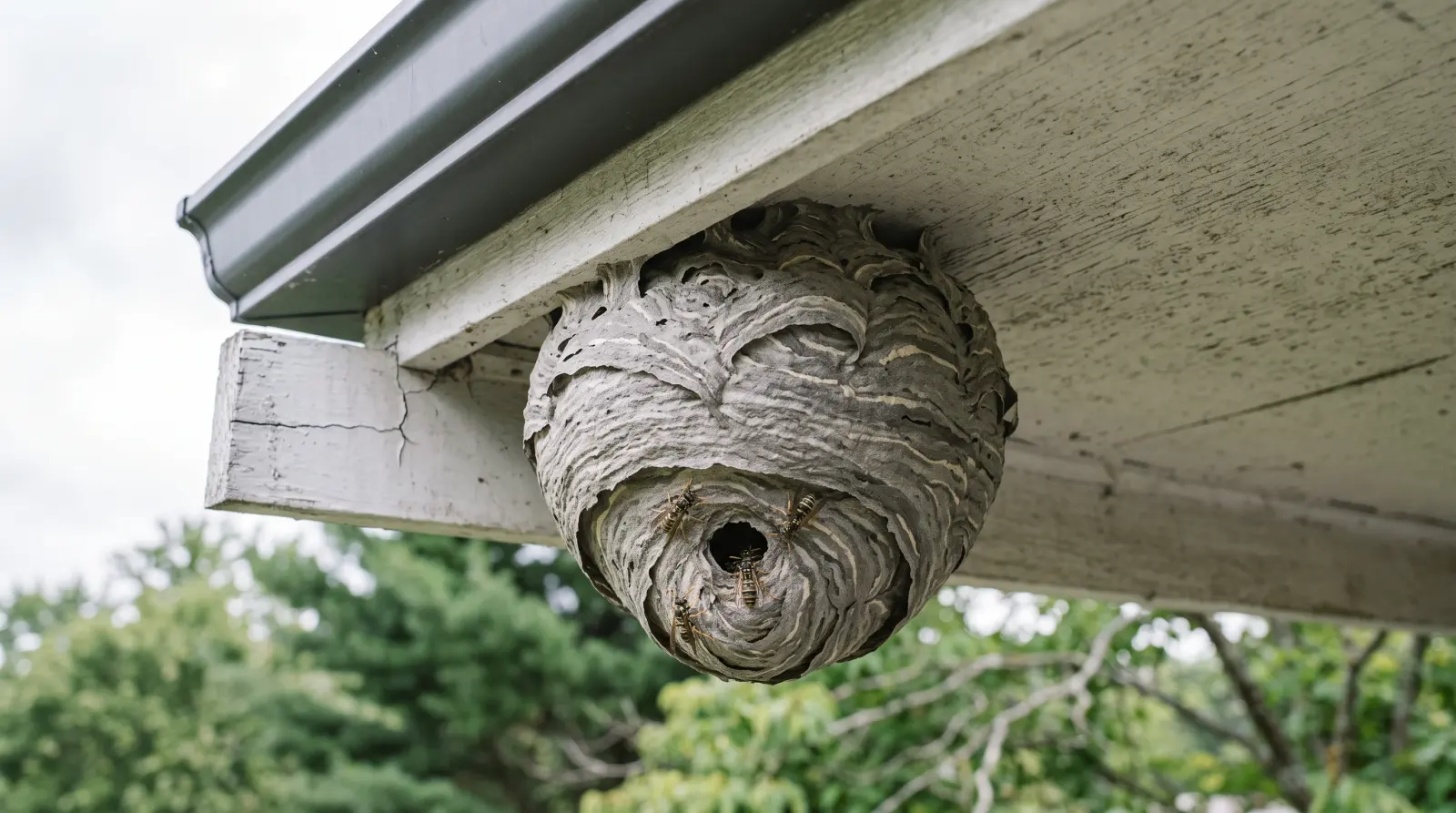
A wasp nest kit runs $57 to $227 against an average $385 for professional removal. For bed bugs, DIY failure costs weeks of population growth.
- 04
Fix the way in, not just the population
Trapping and treating handle what is present. Sealing entry points and removing harborage is what stops it happening again.
Emergency pest control routes like any other trade call: Emergency Services 24H sends the job to local operators covering your area, and the same routing covers the other failures a house throws at you, including a garage door that will not shut. Start from the emergency services home page when the trade is not obvious.
Which pests are an emergency, and which can wait
- Call 911: systemic sting reaction, particularly with a known allergy.
- Follow a protocol, not a clock: rodent droppings and nesting material.
- Urgent by growth rate: bed bugs and German cockroaches get worse every week.
- Can wait for daylight: a single wasp nest in a low traffic corner in late season.
The safety rules the brand pages skip
The rule that matters most is never to sweep or vacuum rodent droppings, which is what CDC rodent cleanup guidance says first. This is the highest-stakes gap in the advice online, and it is not close.
In this guide
Everything in the pest emergency guide
Exterminator cost by pest
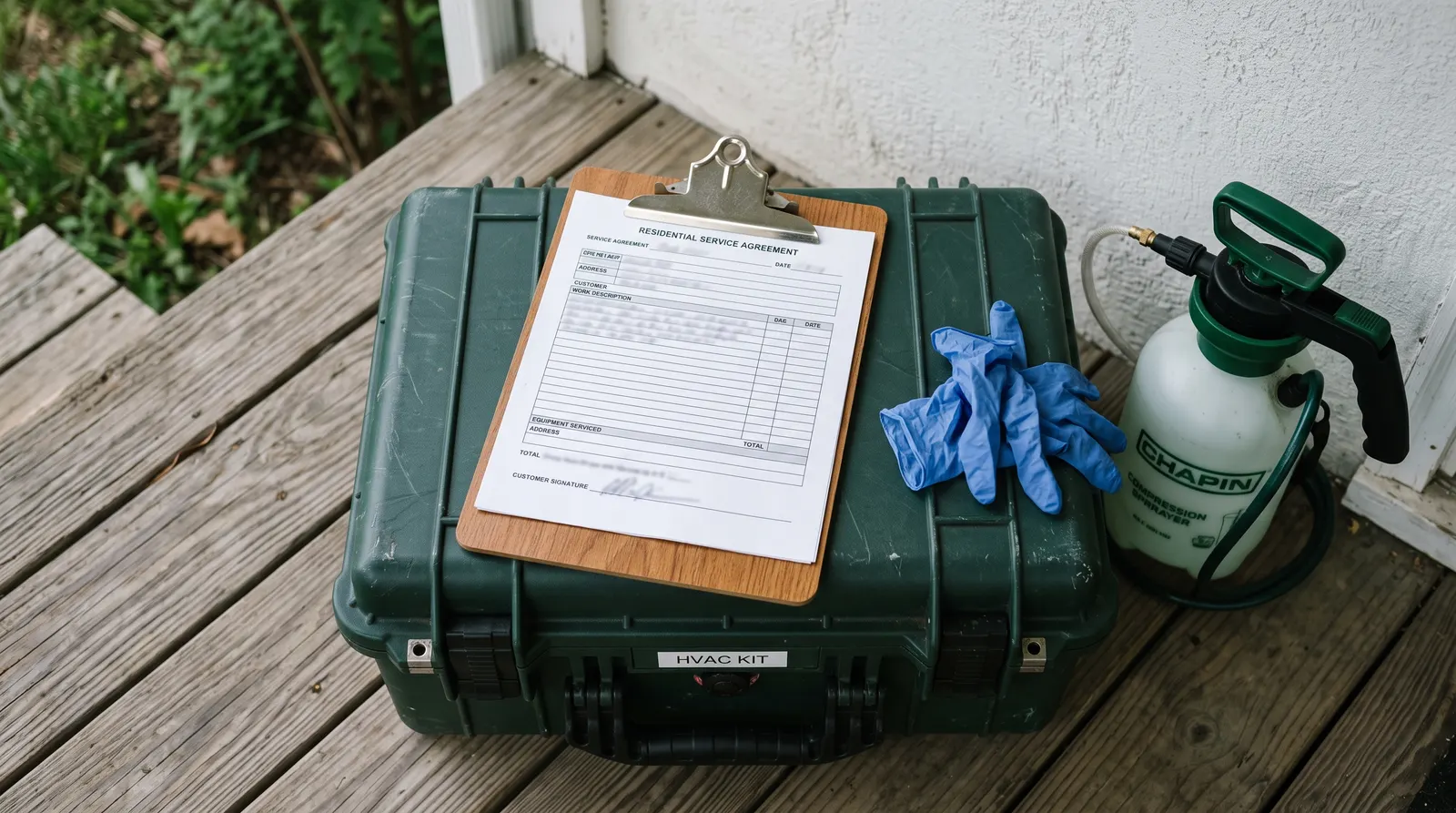
Published ranges alongside what homeowners actually report paying, and what the headline price leaves out.
Wasp nest removal
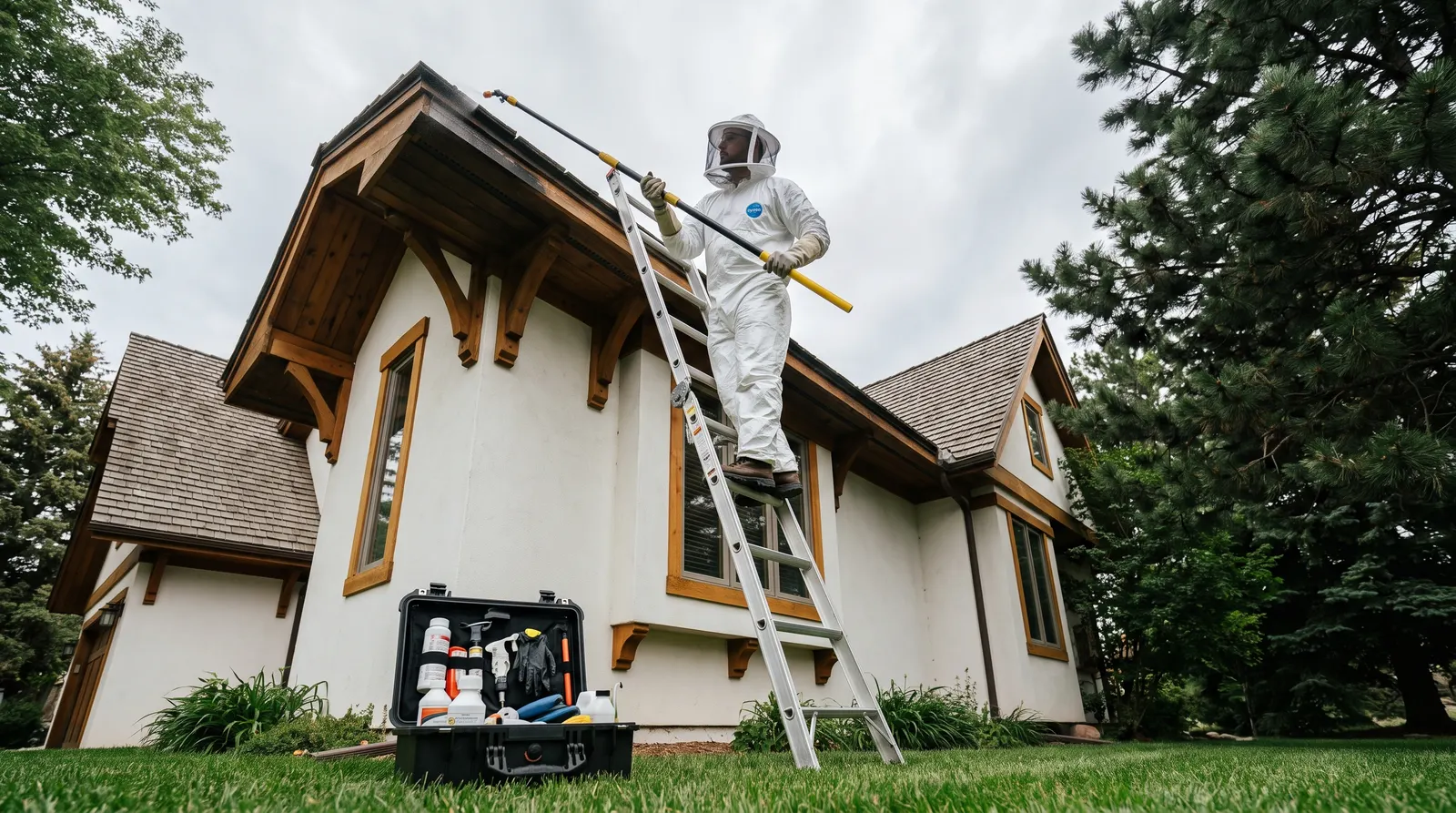
Three questions decide whether this is a DIY job. Plus the nests that are better left alone entirely.
Wasp and bee sting emergency
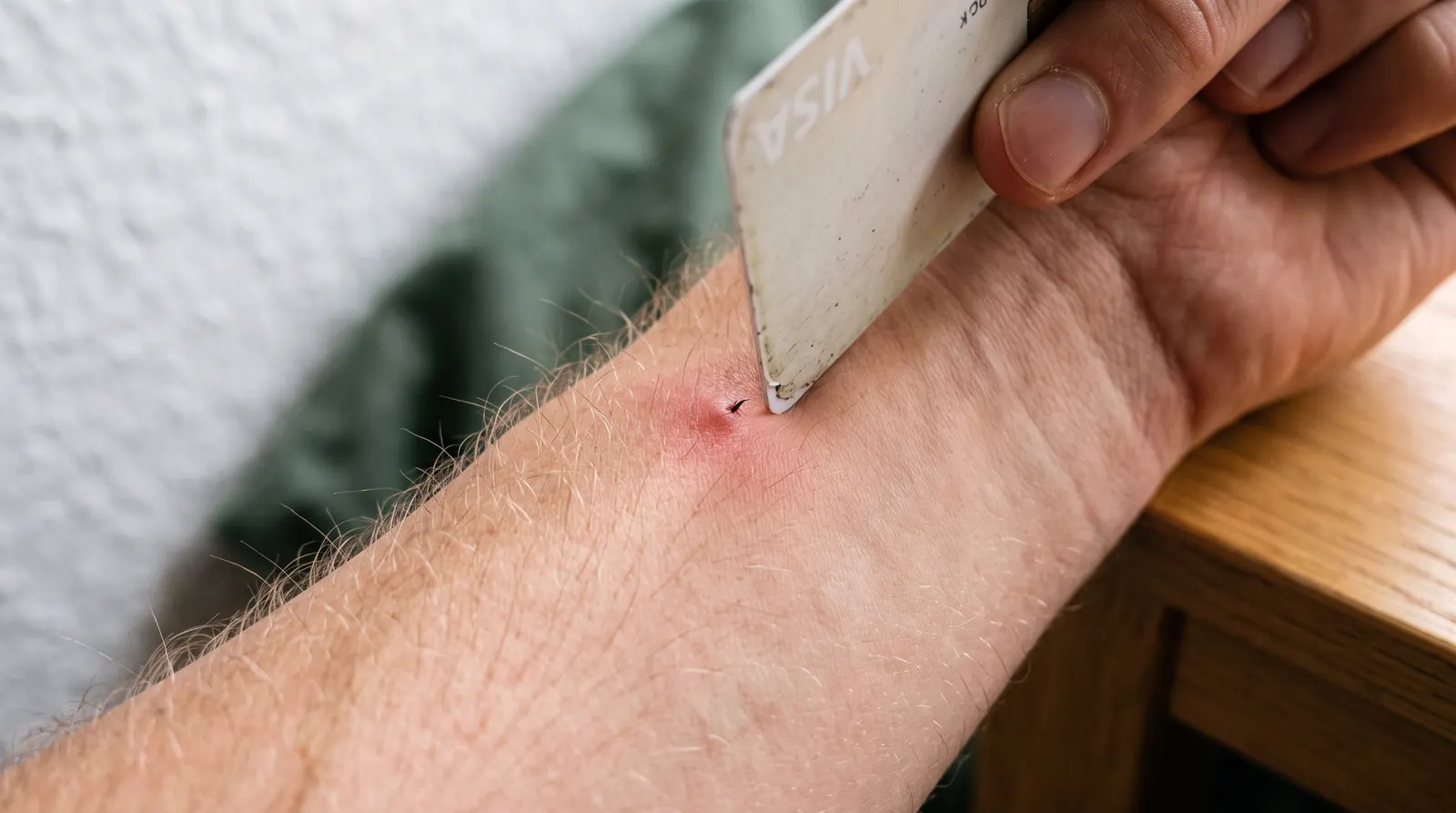
The specific signs that mean 911 rather than an ice pack, and what a large local reaction is not.
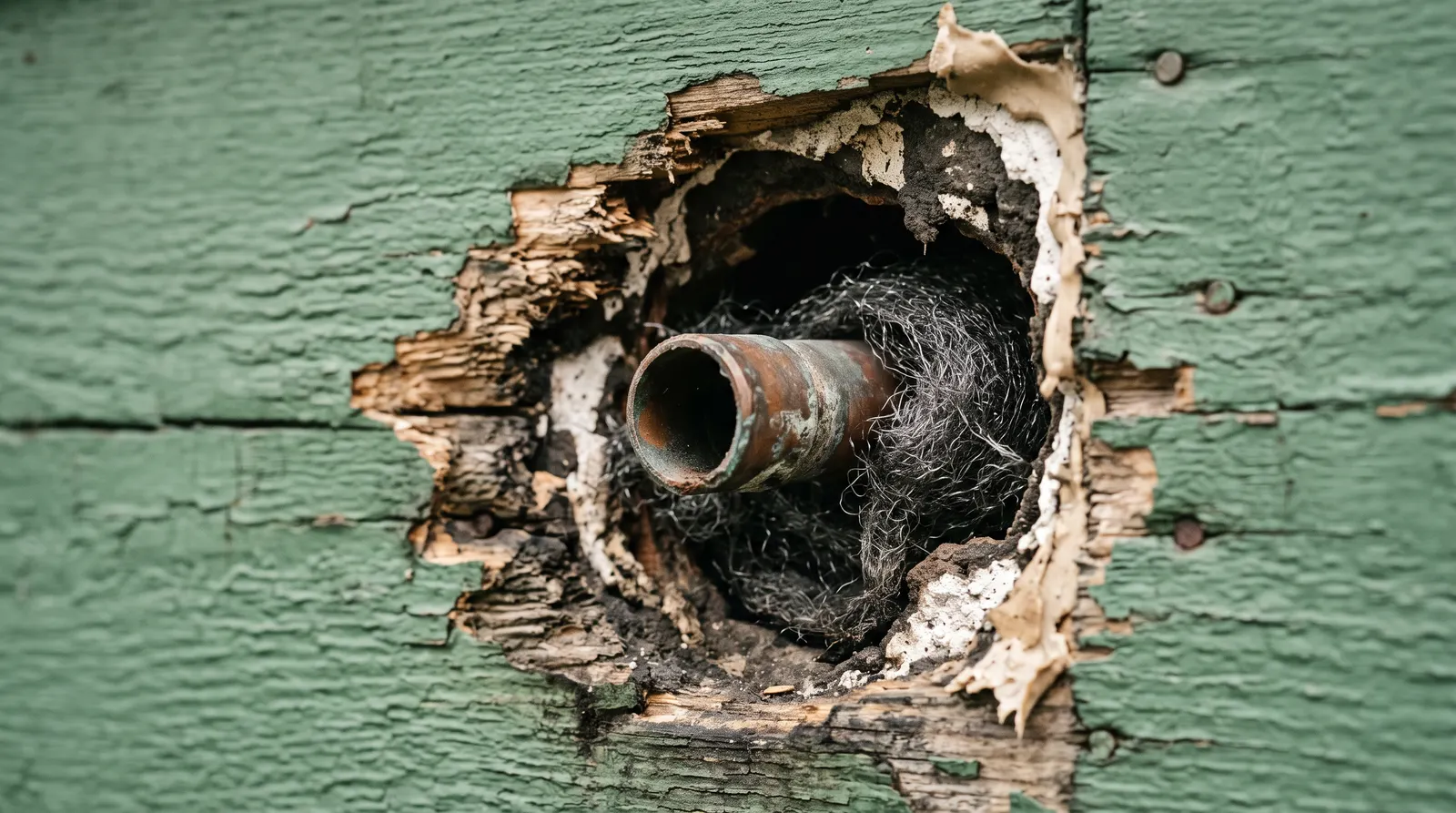
How to get rid of mice
Trapping is the visible half. Sealing is the fix, and the CDC cleanup rules matter more than either.
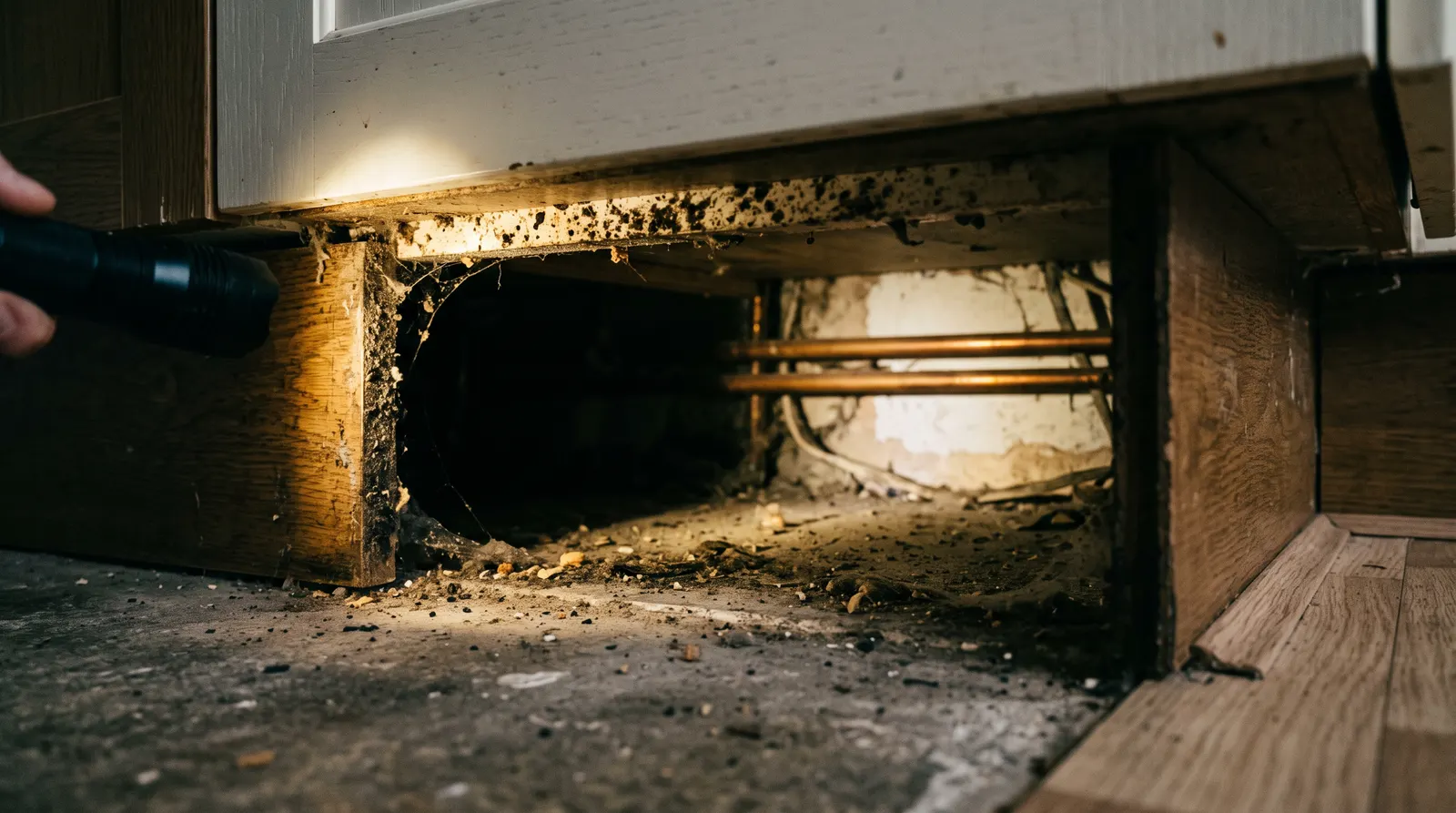
Roach infestation
Why contact spray scatters a population and bait eliminates it, and when DIY is genuinely over.
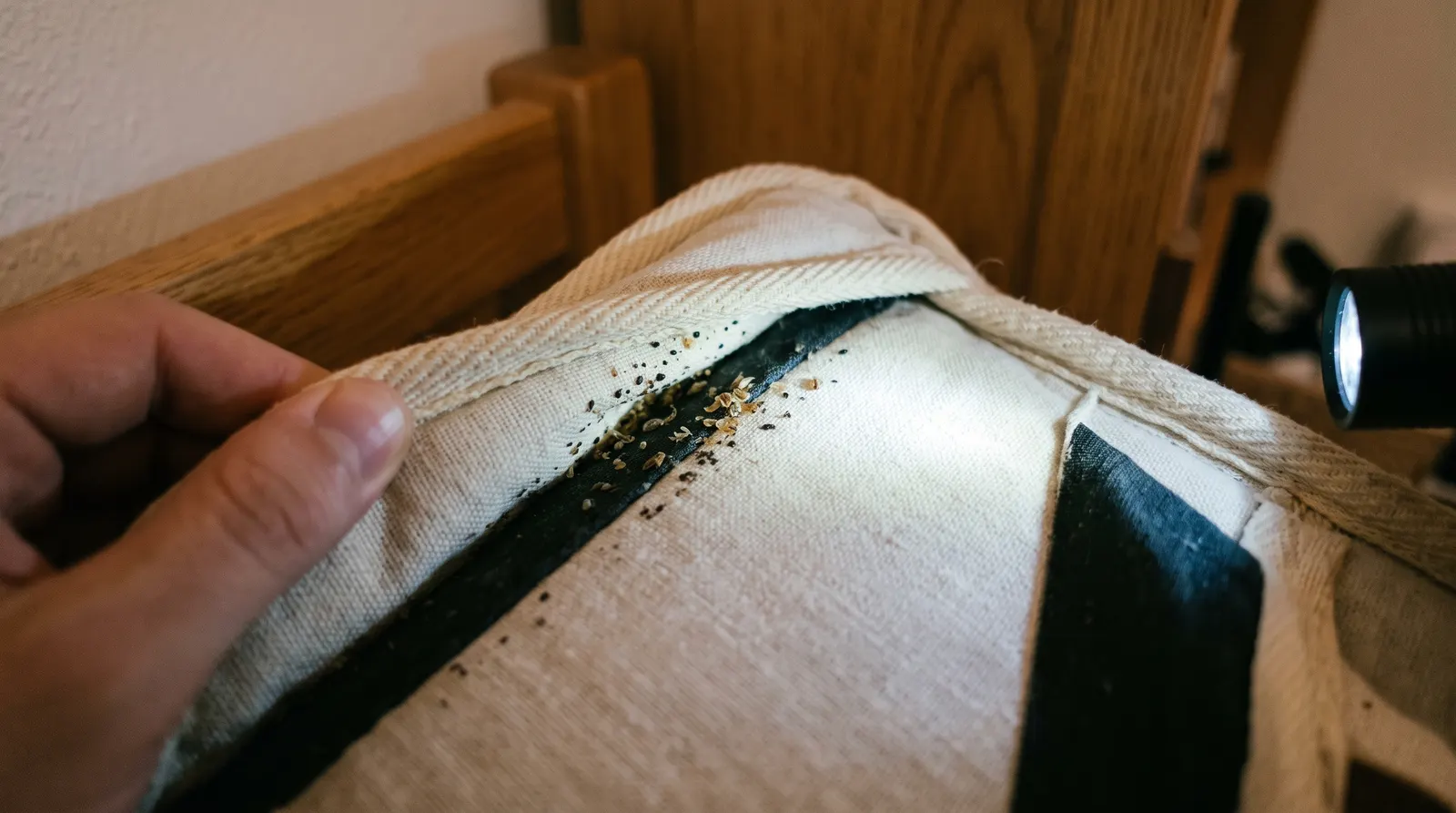
Bed bugs: what to do
What to do tonight, why moving rooms makes it worse, and the EPA figures that make delay expensive.
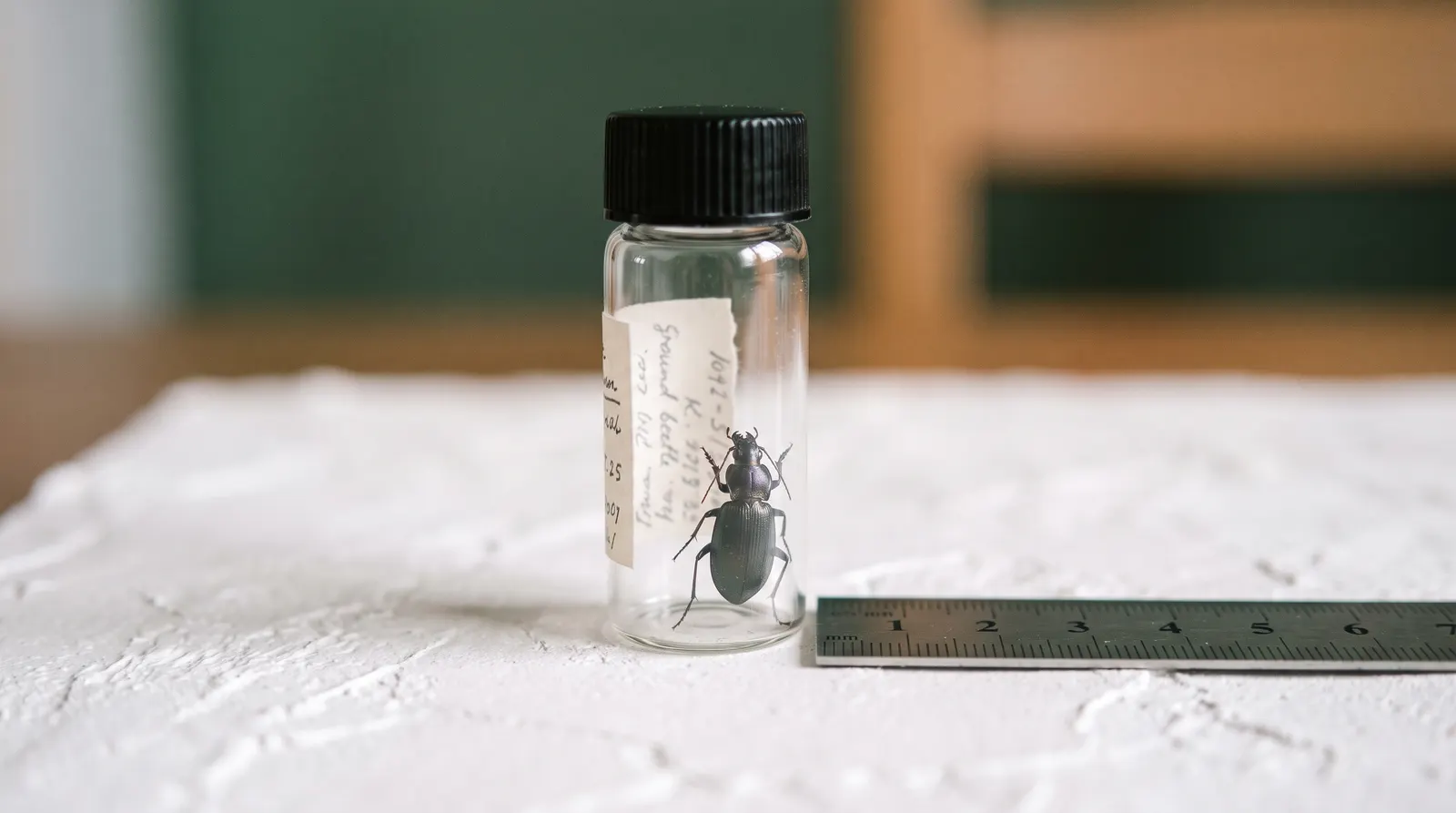
Kissing bug bites
How transmission actually works, why not to squash one, and the look-alikes behind most sightings.
What an exterminator costs by pest
Indicative US ranges. Always get a written quote.
| Job | Typical range | Notes |
|---|---|---|
| Wasp nest removal | ~$385 average | Most homeowners pay $212–$875 |
| Wasp DIY equipment total | $57–$227 | Suit $50–$200 is most of it |
| Rodent single visit | $150–$500 | Consumer-reported, varies by market |
| Rodent two-visit program | ~$300–$400 | Typical single-family outcome |
| Recurring plans | $40–$100 per visit | Annual programs $400–$1,200 reported |
Source: Lawn Love 2026 wasp nest removal cost data and This Old House mice exterminator cost data, including consumer-reported figures marked as reported (retrieved August 2026). Figures vary by region and timing.
Figures last checked
Read the first two rows together. For an accessible nest with no allergy in the household, the DIY route is genuinely competitive. For anything else on this list, it usually is not.
Full breakdown, including what a headline quote excludes, is on our what pest control costs.
What you can safely do yourself
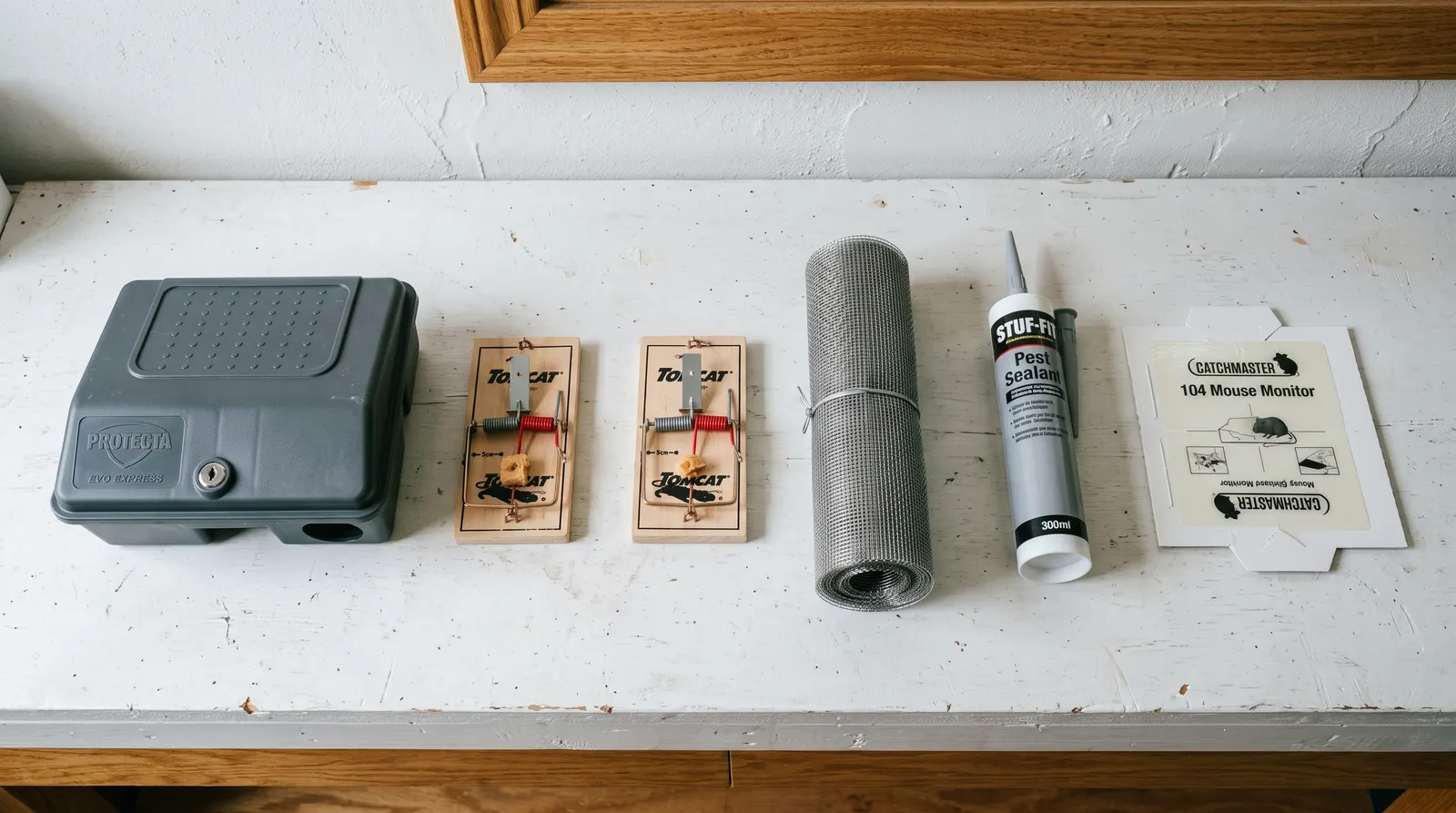
You can safely set snap traps along walls, seal entry points with steel wool and caulk once the mice are out, treat a small accessible wasp nest when nobody in the house has a sting allergy, and cut clutter and food sources for roaches.
Anything involving a ladder, a known allergy, bed bugs or a wall cavity belongs to a technician, and the full split is in the safe-or-pro panel further down.
Why the pest sets the price
Pest control quotes look arbitrary because the variable people expect to matter, house size, mostly does not.
Method differs by species
Treatment method differs completely between species. A wasp nest is one application at dusk.
German cockroaches need bait placement and a follow-up timed to the hatch cycle. Rodents need trapping and then a separate exclusion visit. The pest decides the plan, and the plan decides the price.
Rodents: the cleanup nobody explains
Mice pass through a gap the size of a dime, which is the fact that reframes rodent work entirely.
Trapping handles the population currently inside. Sealing the entry points is what ends the infestation, and it is described on most pages as steel wool and caulk with no further detail. Mike Withrow of Rove Pest Control puts the consequence of skipping exclusion plainly: the problem comes back in a week or two, or right away.
The cleanup rule comes first
Before any of that, one rule governs the cleanup and it is the one commercial rodent pages omit. Do not sweep and do not vacuum droppings.
Withrow’s reason is that agitating them could release the contents into the air, and the CDC hantavirus guidance is built around exactly that hazard. Wet the material with disinfectant, wait the contact time on the label, wipe up in non-absorbent gloves and double-bag it.
Never seal animals in
And never seal an entry point with animals still inside - exclusion has to be sequenced with trapping, or you wall the population in.
Our guide to getting rid of mice covers both halves plus the full cleanup protocol.
Wasps and bees: when a sting is an emergency
A sting is an emergency when the reaction spreads beyond the sting site: trouble breathing, a swelling face or throat, dizziness, or a rash moving across the body. Several sting pages note that stings can be fatal and then move on to ice packs, so the protocol is worth stating plainly.
Bed bugs: why speed is the whole strategy
Speed matters because EPA puts a female bed bug at one to three eggs a day, and 200 to 500 across a lifespan of six to twelve months.
Why speed is the strategy
That single figure is the argument against waiting a fortnight to see whether it settles down. It also explains why heat treatment targets a specific number: bed bugs die when their body temperature reaches 45C, which is 113F, and they stay active down to about 7C.
24/7 dispatch network
Get a local pest control technician moving on this
Tell us which pest and what you have seen. Local technicians covering your area will contact you directly. Submitting costs nothing and there is no obligation to hire.
Fire, a gas smell, or an injury? Leave the building and call 911 first, then your gas utility or power company. Use this form once you are safe.
Know the line
Safe to check yourself, or call a pro now
Safe to check yourself
- Trapping mice with snap traps set along walls
- Sealing entry points with steel wool and caulk
- A small accessible wasp nest with no allergy present
- Sanitation and clutter reduction for roaches
- Interceptor monitoring for suspected bed bugs
Call a pro now
- Any household with a known sting allergy
- Ground nests and anything needing a ladder
- Bed bugs, where DIY failure is common and expensive
- German cockroaches in a shared building
- Rodents nesting in a wall cavity or roof space
Roaches: the health case rather than the squeamish one
Roaches get delayed because people frame them as embarrassing rather than as a health issue.
Cockroach allergens are a recognized asthma trigger, particularly in children, and roaches move between drains, waste and food preparation surfaces. That is a better reason to treat than the one most people act on, and it changes the urgency for households with an asthmatic child.
Identify the species first
Species is the first thing to establish, and pest control operator Jason Akers of Green Akers puts it ahead of everything because German cockroaches develop chemical immunity very easily - the wrong identification produces the wrong product and a population that has been selected for resistance rather than reduced.
His arithmetic for that is worth understanding before anyone buys a second can of the same spray: if a treatment kills 80 of 100 roaches, the surviving 20 pass the resistance on, and next month’s application gets noticeably less knockdown. The professional answer is to rotate between chemical classes rather than to escalate the dose.
Are contracts and plans worth it?
Usually only when the pest keeps coming back. Plans lower the price per visit and commit you for a year. Whether that is good value depends entirely on whether your pressure is recurring.
A rural boundary, a shared building or a property with a history of the same pest returning suits a plan. A single identified problem in a detached house usually does not, and a one-off treatment with a written guarantee is the better structure.
Questions worth asking before you book emergency pest control
- Is the inspection free, and is it credited against treatment?
- How many follow-up visits are included?
- What exactly is guaranteed, and for how long?
- Is exclusion and sealing work inside the quote?
- Is droppings cleanup included or extra?
- Do we need to leave the property, and for how long?
What homeowners actually ask
What homeowners report
Drawn from real public forum threads and reported prices, summarized and attributed as patterns. These are not reviews of this site, and no names or ratings have been invented.
“How much does everyone pay for pest control? Also, is it worth it or should...”
“An Orkin contract totalling about $920: $360 first visit plus four monthly follow-ups at $140”
“CDC: do not sweep or vacuum rodent urine, droppings or nesting material”
1 / 3
The forum threads are the only real pricing on this topic, which is why they appear here. They are reported experiences rather than quotes, and the spread between them is itself useful information.
How the matching works, and what we do not do
Emergency Services 24H is a referral service. We do not employ pest control technicians, we do not treat properties, and we do not sell pesticides or plans.
Your request routes to local technicians covering your area, and they contact you directly. The health guidance on this page comes from CDC and EPA, and it is not a substitute for medical advice.
The label is the law, not a suggestion
Homeowners often ask for extra product, or a stronger mix, on the theory that more chemical means fewer return visits. A professional who agrees is committing an offence rather than doing you a favor.
Under federal law it is unlawful to use a registered pesticide in a manner inconsistent with its labeling, and the labeling itself is regulated down to what it must contain: the ingredient statement, the hazard and precautionary wording, the directions for use, and the use classification.
The label sets the ceiling
Common pest questions
Straight answers
Frequently asked questions
Short, plain answers to the questions people ask us most about this page.
Browse all guidesWhat counts as emergency pest control?
Stings with a reaction, a rodent in a food area, a wasp nest by a doorway, or any infestation in a home with an infant or an immunocompromised person. Most other pests are next-day work.
How much does emergency pest control cost?
A rodent visit reports at $150 to $500, wasp nest clearance averages about $385, and recurring plans run $40 to $100 a visit. Bed bug work is quoted by room.
Will one visit fix it?
For a nest, usually. For roaches, mice and bed bugs, no: the eggs already laid have to hatch into the treatment, so a follow-up two to three weeks later is part of the job.
Do I have to leave the house during treatment?
For most targeted work, no. Heat treatment for bed bugs and whole-room fumigation are the exceptions, and the operator will tell you the re-entry time before they start.
How much does an exterminator cost?
It depends on the pest rather than the house. Wasp nest removal averages about $385 nationally with most homeowners paying $212 to $875, rodent single visits commonly run $150 to $500, and a typical two visit rodent program lands around $300 to $400.
Are exterminators worth the money?
For pests with a health dimension or a fast reproduction rate, generally yes. Bed bugs, roaches and rodents all get harder and more expensive the longer they run. For a single wasp nest in an accessible spot with no allergy in the household, a competent homeowner can often handle it.
Which pest problems are an emergency?
A sting reaction with difficulty breathing, facial or throat swelling or dizziness is a 911 call. Everything else is urgent rather than immediate: rodent droppings need a specific cleanup protocol, and bed bugs and roaches get worse weekly rather than hourly.
Can I clean up mouse droppings with a vacuum?
No. CDC guidance is explicit that sweeping or vacuuming rodent urine, droppings or nesting material can aerosolize hantavirus. Ventilate the area for about an hour, spray with a disinfectant or bleach solution, let it soak, then wipe up with paper towels.
Is a pest control contract worth it?
It depends on whether your pressure is recurring. Plans price each visit lower and commit you for a year, which suits a property with ongoing pressure such as a rural boundary or a shared building. A single identified problem is usually better handled as a one-off treatment.
Do you employ the technicians?
No. Emergency Services 24H is a referral service. We route your request to local pest control technicians covering your area, and they contact you directly.
Sources for this page
- Centers for Disease Control and Prevention: How to clean up after rodents: do not sweep or vacuum, bleach dilution
- Centers for Disease Control and Prevention: Hantavirus prevention: rodent droppings cleanup, 1:10 bleach solution
- U.S. Environmental Protection Agency: How to find bed bugs: egg-laying rate, lifespan and thermal thresholds
- Lawn Love
- This Old House
Experts quoted on this page
Independent, publicly published sources, quoted with attribution and linked in full. None is affiliated with Emergency Services 24H, reviewed this page, or works in the referral network.
- Arrow Pest Service technician: Licensed pest control technician, Florida, Arrow Pest Service - “Most Effective Bed Bug Treatment Nobody Talks About!” (2025)
Reviewed on . If a figure here no longer matches its source, that is a bug, so tell us and we will correct it.
24/7 dispatch network
Tell us what has failed and where you are
Tell us what has failed and how soon you need someone. We route your request to local contractors covering your area, and they contact you directly.
Fire, a gas smell, or an injury? Leave the building and call 911 first, then your gas utility or power company. Use this form once you are safe.